






















Urban Planning has become increasingly complex with the rise of big data, inflating costs, diverging politics, and the advent of new technologies. To work with all these elements requires an inclusive approach to produce a useful outcome.


After spending hundreds of hours working with community groups, holding countless meetings, and creating designs for a new project, it is absolutely crushing to find that project either completely rejected or modified so much that it can't function.
Author Mitchell Sutika-Sipus argues that this common experience can be remedied by building flexibility into our planning proposals, using what he calls the "Integrated Planning Process." He describes this process as a way to map and align different variables to "reveal to stakeholders and participants what is essential, what is not, impose more clarity, and save time by providing alternatives for individual components."
Borrowing from the field of Product Design, Sutika-Sipus argues that the Integrated Process, while imperfect, can result in "flexible proposals designed to contend with external demands," creating "a more robust outcome." He continues, "[i]f a development scheme consists of the insights of stakeholders, but has the ability to fluidly accommodate the organization structure of government and implementing partners, the final result will be more value-laden for the target population and for the neighborhood."
Thanks to Mattew Wolfe
FULL STORY: An Integrated Process for Better Urban Planning


How California Planning has Changed—and How it Hasn't
In the newest edition of his classic book Guide to California Planning, Bill Fulton says there is still tension between the state's suburban planning system and its urban reality.

Embedded Planning Movement Gains Traction
Jonathan Pacheco Bell chronicles the growth of a movement he created.

Planning for Future Cities Today With Urban Nexus Science
The Urban Nexus is an approach to sustainability that seeks to integrate sectors and silos int he design and development process.

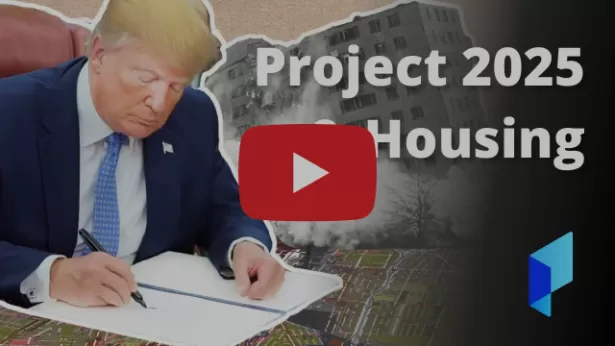
Planetizen Federal Action Tracker
A weekly monitor of how Trump’s orders and actions are impacting planners and planning in America.

Chicago’s Ghost Rails
Just beneath the surface of the modern city lie the remnants of its expansive early 20th-century streetcar system.

Amtrak Cutting Jobs, Funding to High-Speed Rail
The agency plans to cut 10 percent of its workforce and has confirmed it will not fund new high-speed rail projects.

Ohio Forces Data Centers to Prepay for Power
Utilities are calling on states to hold data center operators responsible for new energy demands to prevent leaving consumers on the hook for their bills.

MARTA CEO Steps Down Amid Citizenship Concerns
MARTA’s board announced Thursday that its chief, who is from Canada, is resigning due to questions about his immigration status.

Silicon Valley ‘Bike Superhighway’ Awarded $14M State Grant
A Caltrans grant brings the 10-mile Central Bikeway project connecting Santa Clara and East San Jose closer to fruition.

Urban Design for Planners 1: Software Tools
This six-course series explores essential urban design concepts using open source software and equips planners with the tools they need to participate fully in the urban design process.
Planning for Universal Design
Learn the tools for implementing Universal Design in planning regulations.

Caltrans
City of Fort Worth
Mpact (founded as Rail~Volution)
City of Camden Redevelopment Agency
City of Astoria
City of Portland
City of Laramie