With the expansion of the Panama Canal expected to be complete in 2015, U.S. Port Cities are uniquely positioned to reap economic benefits of increased industrial activity.


In a recent industrial-related blog post from ICIC, author Amanda Maher analyzes why the U.S. is poised for a comeback in manufacturing--and what this means for our port cities. Specifically, a burst in the domestic real estate bubble has reduced pressure on industrial land from commercial and residential uses, making it more cost-friendly to reuse and redevelop industrial sites.
Cities like Newark are taking proactive approaches to invest in industrial sites around their port. In the past 24 months alone, Brick City Development Corporation has facilitated the groundbreaking of 5 large food warehousing/distribution sites near the Newark Port, resulting in hundreds of jobs for Newark residents.
The article examines steps economic developers can take to prepare for the expected increase in industrial activity, including a little old-fashioned hand-holding.
Read the full story: Realizing Economic Opportunity in Port Cities
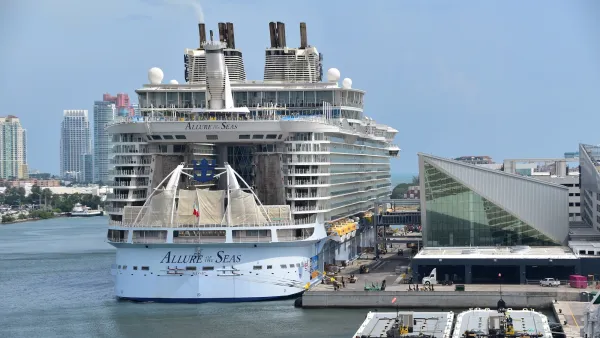
Miami Considers Airport-to-Port Train to Ease Cruise Ship Traffic
Miami’s port is one of the world’s busiest cruise ship terminals.
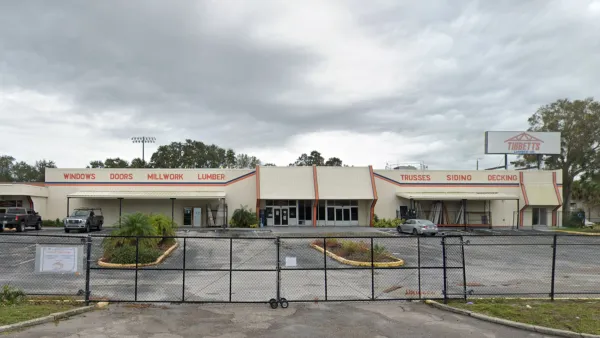
St. Pete Breaks Ground on First Industrial Zone Housing Project
A 2020 law allows cities to permit residential developments on formerly industrial land.

Planetizen’s Top Urban Planning Books of 2025
How thoughtful deregulation could unlock a housing and infrastructure boom, the social histories that lie behind a globalizing economy, and the growing role of artificial intelligence in planning.

Planetizen Federal Action Tracker
A weekly monitor of how Trump’s orders and actions are impacting planners and planning in America.

California plans to bury El Niño’s downpour
If the state plays its cards right, it may be able to store a billion acre-feet of El Niño’s water in aquifers.

Desperate measures: Advocates weigh draining Lake Powell to fill Colorado River
Draining the reservoir could reduce evaporation losses by a couple hundred thousand acre-feet.

Los Angeles just elected an urban planner as its mayor
Transportation analysts are optimistic that Raman will be more aggressive in addressing transit issues than Bass.

Mamdani’s pied-à-terre tax survives legal challenge
A panel of judges found that the plaintiffs failed to demonstrate injury as a result of New York City's implementation of the tax.

Eastern Nebraska is running out of electricity
Data centers and electrification are straining eastern Nebraska’s grid, throttling economic development.

FREE Course: Walkable City 1: Why Walkability?
After describing his path towards focusing on walkability as the essence of good planning, Jeff Speck marches through his five principal reasons for making more walkable places.
Reinventing Malls: Planning Alchemy—Turning Gray Fields Into Gold
The course focuses on the opportunities and imperatives that shape reinvention of mall sites.

City of Rosemead
Rutgers University, Edward J. Bloustein School of Planning and Public Policy
One Hundred Miles
University of Michigan School for Environment and Sustainability (SEAS)
Hunter College, City University of New York (CUNY)
The Architects Foundation
City of Cambridge
Montrose County
The Pocatello Development Authority