What expectations for privacy should individuals have in public places? That is the question being posed by a new video surveillance system in D.C. being operated by a neighborhood association, reports Peter Hermann.


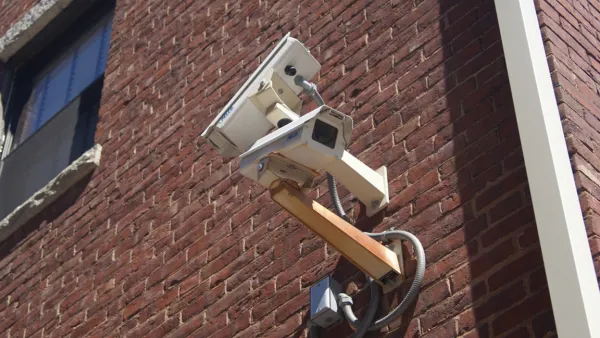
The Citizens Association of Georgetown is planning on expanding its network of cameras trained to monitor residential streets in the affluent Washington D.C. neighborhood, adding "another dimension to the debate over increased surveillance by the government and others," writes Hermann. While police surveillance via camera is common, and growing, in cities across the world, "the unusual move by a community association to record
people's comings and goings is evoking fears of neighbor spying on
neighbor."
"The civic
group says that it is taking privacy concerns seriously and that its
strict guidelines ensure the cameras won't intrude on residents'
personal lives. Cameras will be mounted on private property and video
can be accessed and turned over to authorities only after a crime has
been reported to police."
"But even people comfortable with law
enforcement watching the citizenry may be wary that a block captain
could play video voyeur with the habits of neighbors."
Read the full story: Georgetown civic group looks to surveillance cameras to combat crime
Op-Ed: Facial Recognition on Transit Goes a Step Too Far
Despite its insistence that the technology would only target criminals, Dallas Area Rapid Transit (DART) should reconsider using facial recognition software to address crime. The potential for abuse may be too high.
UK Camera Count Triples in 10 Years
The amount of closed-circuit security cameras operated by local councils in the United Kingdom has nearly tripled over the past 10 years, according to a new report.
Security Cameras to Remain Secret in Toronto
Officials in Toronto have decided to keep secret the locations of 90 security cameras installed on public buildings. Residents and union officials are outraged.

Planetizen Federal Action Tracker
A weekly monitor of how Trump’s orders and actions are impacting planners and planning in America.

Eastern Nebraska is running out of electricity
Data centers and electrification are straining eastern Nebraska’s grid, throttling economic development.

California High-Speed Rail Authority picks trainset manufacturer
The California High-Speed Rail Authority aims to start servicing passengers by 2033.

What could the future of LA transit look like under Raman?
The mayor-elect views broken sidewalks and potholes as crises that can be fixed with better governance.

States are counting on battery farms. Some towns don’t want them.
While fire safety has improved, some communities are still wary.

Dallas releases zoning code overhaul to officials
The drafted overhaul is over 400 pages long.

FREE Course: Walkable City 1: Why Walkability?
After describing his path towards focusing on walkability as the essence of good planning, Jeff Speck marches through his five principal reasons for making more walkable places.
Reinventing Malls: Planning Alchemy—Turning Gray Fields Into Gold
The course focuses on the opportunities and imperatives that shape reinvention of mall sites.

City of Rosemead
Rutgers University, Edward J. Bloustein School of Planning and Public Policy
One Hundred Miles
University of Michigan School for Environment and Sustainability (SEAS)
Hunter College, City University of New York (CUNY)
The Architects Foundation
City of Cambridge
The Pocatello Development Authority
The Urban Renewal Agency of the City of Pocatello