For those who missed it, Friday brought the end to the influential infrastructure focused blog -- The Infrastructurist


"It is with a heavy heart that we announce that The Infrastructurist has come to the end of the road and will cease to publish today."
In a post last Friday, January 6th, Matthew Van Dusen announced the end of the road for the blog. Recounting the founding of the site, Van Dusen recalled:
"When we launched the site in 2009, we sought to train a spotlight on the nation's pitted roads, rotting pipes and warped rails. Infrastructure – as much as you could ever say this – was hot. Lawmakers were poised to pump billions of taxpayer dollars into "shovel-ready projects" through the American Recovery and Reinvestment Act (widely known as "The Stimulus"). America was, we noted, under construction."
Since 2009, the blog cataloged the country's debilitating need for improvements to its aging infrastructure, and the fledgling steps to address them. Friday's post included links to some of their most incisive and popular features, which are well worth another read.
Read the full story: The End of the Road: The Infrastructurist’s Last Post
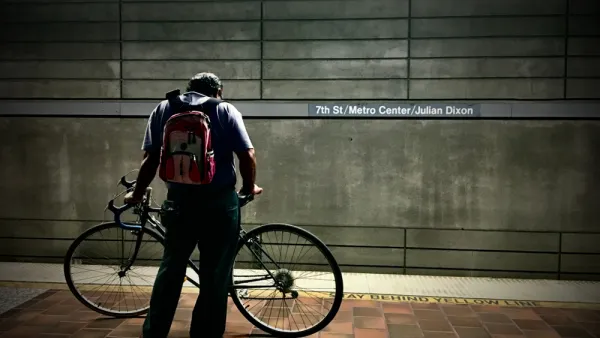
Scooter Revenue, Empty Streets Allow for Quick Construction of Bike Lane in L.A.
A busy corridor, popular with bike and scooter riders, is gaining a new protected bike lane in Los Angeles.
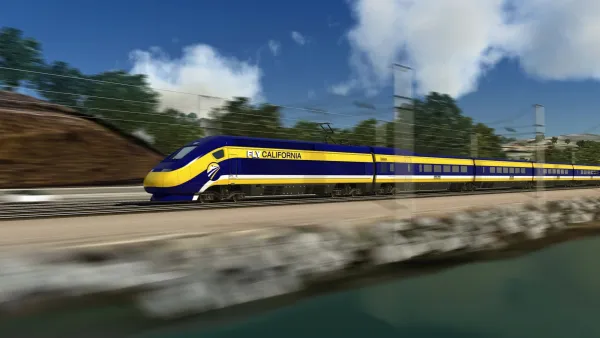
Proposed California Ballot Measure From Gas Tax Opposition Goes After High-Speed Rail
A follow-up initiative to Proposition 6 would put the brakes on high-speed rail in California and funnel gas tax funds to roads.
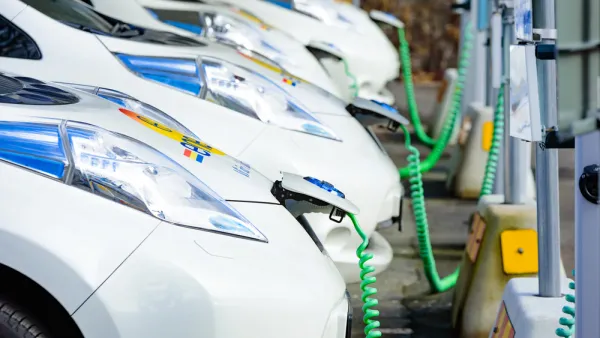
EVs Not Exempt From California’s Transportation Infrastructure Plan
Governor Jerry Brown and the California Legislature reached a historic agreement to raise the gas tax, but electric vehicle owners will now be required to pay a yearly fee, Will this impact EV sales in the US's best market?

Planetizen Federal Action Tracker
A weekly monitor of how Trump’s orders and actions are impacting planners and planning in America.

Eastern Nebraska is running out of electricity
Data centers and electrification are straining eastern Nebraska’s grid, throttling economic development.

Study reveals best places in the U.S. for cycling, walking
New research from Streetlight Data examines bicycle and pedestrian miles per capita in the 100 largest U.S. cities by population.

Why does it take an emergency for the U.S. to expedite infrastructure projects?
In June 2023, Philadelphia repaired a melted interstate in 12 days thanks to an emergency order.

Federal government nominates new FTA administrator
Mark Aesch is currently the founder and CEO of a transportation management consulting firm.

Developers reveal $10 billion stadium plan as ‘Hail Mary’ to keep Bears in Chicago
The plan would also boast a public park, high- and mid-rise buildings and a youth sports complex.

FREE Course: Walkable City 1: Why Walkability?
After describing his path towards focusing on walkability as the essence of good planning, Jeff Speck marches through his five principal reasons for making more walkable places.
Reinventing Malls: Planning Alchemy—Turning Gray Fields Into Gold
The course focuses on the opportunities and imperatives that shape reinvention of mall sites.

City of Charlotte
City of Rosemead
Rutgers University, Edward J. Bloustein School of Planning and Public Policy
University of Michigan School for Environment and Sustainability (SEAS)
Hunter College, City University of New York (CUNY)
The Architects Foundation
City of Cambridge
The Pocatello Development Authority
The Urban Renewal Agency of the City of Pocatello