




















It’s winter break for many northern hemisphere planning students so time to start planning for next summer’s internship. I have previously blogged about "making the most of an internship": http://www.planetizen.com/node/51287. Here I briefly talk about the practicalities of getting one.



It's winter break for many northern hemisphere planning
students so time to start planning for next summer's internship. I have previously
blogged about "making the most of an internship": http://www.planetizen.com/node/51287. Here I briefly talk
about the practicalities of getting one.
The first step is to scout options. The end of fall
semester is the time of year to visit the career services office at your college or university. They may have internship
listings already. But also consider finding out about alumni in the locations or
subject areas that you are investigating for an internship. Think of alumni from your department
but also those from other fields-like engineering, architecture, or public
policy-that might hire planners.
I am a proponent of selective informational interviewing-setting
up a half hour conversation with someone to find out about opportunities in the
area, what they look for in employees, and to gain general advice about how to
prepare for the work world. The winter break is a great time to do this. Don't expect everyone to be prepared to give you
such an interview, however, as it's quite time consuming. Your university's
career services office may know of people who are more willing to do this; your
faculty members might also be good sources for names. Such interviews can give you local information and if
you do well the person may remember you in the future and pass along opportunities.
Then in the first part of the spring semester it's time to
follow up on leads. Some internships may be advertised. You may have leads from
your informational interview. You can also polish your resume.
By spring break you may have interviews for potential internships.
If not you can also do a second round of informational interviews and extend
your search into April and May. If the internship looks like it will be unpaid
you can start to organize course credit for it and paid work to keep you
afloat. I have also previously blogged that paid work in a factory or office may be better than a
loosely supervised internship in terms of your long-term plans. Such work can
demonstrate important work skills like team spirit, responsibility, and communications: http://www.planetizen.com/node/37736. These are all part of a core planning skill set: http://www.planetizen.com/node/34807. Either way it's good to start early enough to have options lined up by late spring.
This is November's post, rather late.


Planetizen Federal Action Tracker
A weekly monitor of how Trump’s orders and actions are impacting planners and planning in America.

Restaurant Patios Were a Pandemic Win — Why Were They so Hard to Keep?
Social distancing requirements and changes in travel patterns prompted cities to pilot new uses for street and sidewalk space. Then it got complicated.
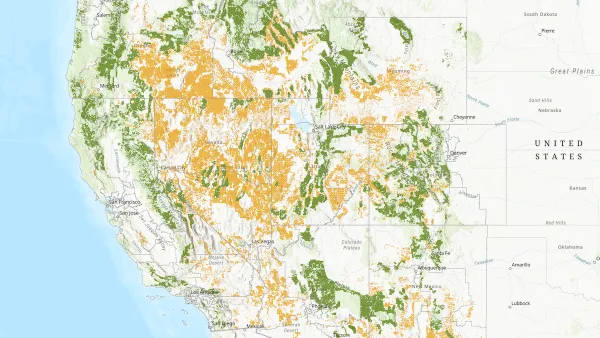
Map: Where Senate Republicans Want to Sell Your Public Lands
For public land advocates, the Senate Republicans’ proposal to sell millions of acres of public land in the West is “the biggest fight of their careers.”

Maui's Vacation Rental Debate Turns Ugly
Verbal attacks, misinformation campaigns and fistfights plague a high-stakes debate to convert thousands of vacation rentals into long-term housing.

San Francisco Suspends Traffic Calming Amidst Record Deaths
Citing “a challenging fiscal landscape,” the city will cease the program on the heels of 42 traffic deaths, including 24 pedestrians.

California Homeless Arrests, Citations Spike After Ruling
An investigation reveals that anti-homeless actions increased up to 500% after Grants Pass v. Johnson — even in cities claiming no policy change.

Urban Design for Planners 1: Software Tools
This six-course series explores essential urban design concepts using open source software and equips planners with the tools they need to participate fully in the urban design process.
Planning for Universal Design
Learn the tools for implementing Universal Design in planning regulations.

Heyer Gruel & Associates PA
JM Goldson LLC
Custer County Colorado
City of Camden Redevelopment Agency
City of Astoria
Transportation Research & Education Center (TREC) at Portland State University
Camden Redevelopment Agency
City of Claremont
Municipality of Princeton (NJ)