Emily Badger of The Atlantic Cities explores the economic and environmental advantages of refurbishing old buildings over constructing new ones.


Badger suggests that cities should start looking towards retrofitting and repairing pre-existing homes, rather than using their limited funds to spend on materials for new home construction.
Heidi Garrett-Peltier, an economist at the University of Massachusetts Amherst, ran some data to support this claim, and found that "repairing existing residential buildings produces about 50 percent more jobs than building new ones. Nationally, about 41 percent of the cost of residential repair goes to labor. For new construction, that number is just 28 percent, meaning considerably more than half of any investment in a new home goes not to construction jobs, but to materials, equipment and things like trucking services."
John McIlwain, a senior resident fellow at the Urban Land Institute noted in the article that, "There's hardly a city that doesn't have housing stock that's in need of rehabilitation or retrofitting." It's not that we don't need new homes, it's that we certainly can use a lot of what we have."
Read the full story: Another Reason to Stop Building New Homes: Job Creation
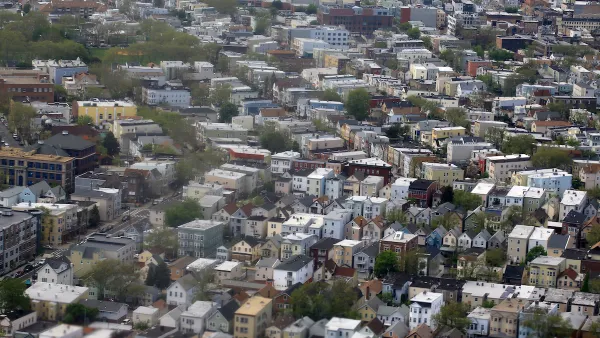
Newark Kicks Off $1 Home Sale Program
The city sold seven properties as part of an effort to revive blighted sites and encourage housing production.
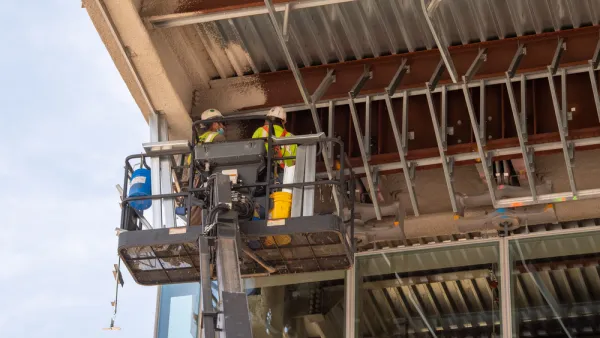
Construction Costs Holding Steady During Pandemic
It might have been wishful thinking to assume the pandemic would cause big declines in costs for materials and labor in the construction industry.
Major Milestone for Chicago-Area Land Bank
The Cook County Land Bank Authority recently participated in its 500th rehab project. Homeowners and entrepreneurs have benefitted along the way.

Planetizen Federal Action Tracker
A weekly monitor of how Trump’s orders and actions are impacting planners and planning in America.

Eastern Nebraska is running out of electricity
Data centers and electrification are straining eastern Nebraska’s grid, throttling economic development.

Move over, LA: St. Louis gears up for Olympics, invests millions in downtown redevelopment
The Missouri city will host the 2028 Olympic soccer group stage and knockout matches.

Dallas releases zoning code overhaul to officials
The drafted overhaul is over 400 pages long.

NYC renovations for dangerous, ‘mercilessly crammed’ street delayed until 2027
Construction was supposed to begin this fall.

San Diego’s Midway Rising project gets greenlight from city council
The project looks to become the largest affordable housing development in California's history.

FREE Course: Walkable City 1: Why Walkability?
After describing his path towards focusing on walkability as the essence of good planning, Jeff Speck marches through his five principal reasons for making more walkable places.
Reinventing Malls: Planning Alchemy—Turning Gray Fields Into Gold
The course focuses on the opportunities and imperatives that shape reinvention of mall sites.

City of Rosemead
Rutgers University, Edward J. Bloustein School of Planning and Public Policy
One Hundred Miles
University of Michigan School for Environment and Sustainability (SEAS)
Hunter College, City University of New York (CUNY)
The Architects Foundation
City of Cambridge
The Pocatello Development Authority
The Urban Renewal Agency of the City of Pocatello