























Community leaders argue that the recently approved Philadelphia comprehensive plan does more for developers than the working class in this op-ed.


The authors, leaders in the African-American community in Philadelphia, argue that the comprehensive plan prioritizes converting industrial buildings into artist's lofts, but focuses little attention to community needs like more supermarkets:
"The plan's energy goes chiefly into looking out for developers, upper-income suburbanites, and the new college graduates the city hopes to attract. It spends as much time on "farmers' markets" and "urban agriculture" as it does on the need for new supermarkets, and it hopes to convert "obsolete" industrial buildings into lofts for young artists instead of investing in the city's current residents and small businesses."
The leaders also say that affordable housing was given little attention in the 232-page comprehensive plan.
FULL STORY: Gentrification is goal of city plan


Philly Residents Push Back on New Historic Preservation District
Some residents of Philadelphia’s newly designated Washington Square West Historic District say the community was left out of the decision-making process that could impact housing costs and building requirements.

Equitable Development Plan Aims To Protect Philly's Chinatown
As the historic neighborhood experiences increased redevelopment around the new Rail Park, community activists are working to ensure older residents and businesses aren't displaced in the process.
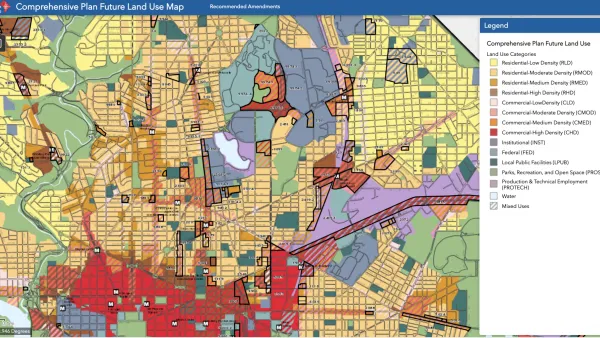
D.C. Comprehensive Plan Update Needs Equity Improvements, Report Says
The new D.C. Office of Equity has produced an evaluation of proposed changes to the D.C. Comprehensive Plan.

Planetizen Federal Action Tracker
A weekly monitor of how Trump’s orders and actions are impacting planners and planning in America.
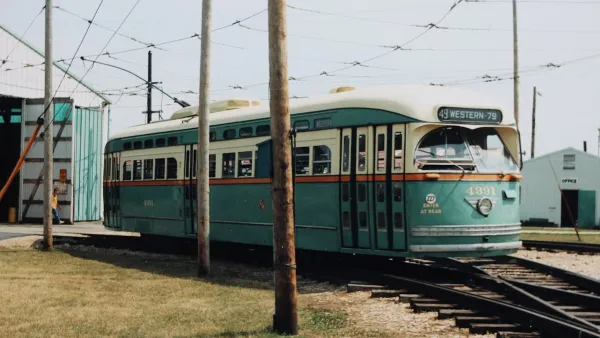
Chicago’s Ghost Rails
Just beneath the surface of the modern city lie the remnants of its expansive early 20th-century streetcar system.

Amtrak Cutting Jobs, Funding to High-Speed Rail
The agency plans to cut 10 percent of its workforce and has confirmed it will not fund new high-speed rail projects.

Ohio Forces Data Centers to Prepay for Power
Utilities are calling on states to hold data center operators responsible for new energy demands to prevent leaving consumers on the hook for their bills.

MARTA CEO Steps Down Amid Citizenship Concerns
MARTA’s board announced Thursday that its chief, who is from Canada, is resigning due to questions about his immigration status.

Silicon Valley ‘Bike Superhighway’ Awarded $14M State Grant
A Caltrans grant brings the 10-mile Central Bikeway project connecting Santa Clara and East San Jose closer to fruition.

Urban Design for Planners 1: Software Tools
This six-course series explores essential urban design concepts using open source software and equips planners with the tools they need to participate fully in the urban design process.
Planning for Universal Design
Learn the tools for implementing Universal Design in planning regulations.

Caltrans
City of Fort Worth
Mpact (founded as Rail~Volution)
City of Camden Redevelopment Agency
City of Astoria
City of Portland
City of Laramie