



















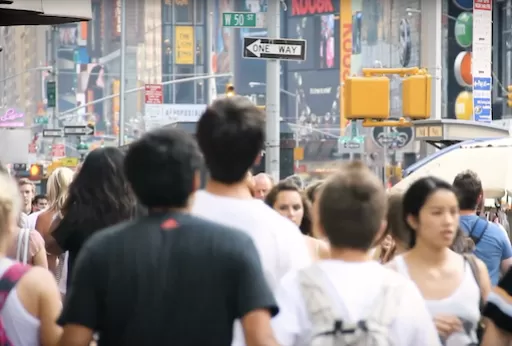
Several factors are leading to the end of commercial strip development while simultaneously leading to more and more town centers and mixed-use facilities.


Ever since post-WWII sprawl, most commercial development in suburbs has involved narrow strips down single corridors. This trend is slowly coming to an end with several contributing factors, from changing demographics to the urbanization of those same suburbs.
Simultaneously, these factors are helping advocates of town centers, mixed-use development, and main streets. Edwards T. McMahon argues:
"At the same time that Wal-Mart, Target, Home Depot, and others are planning new urban stores all over America, as many as 400 former big-box stores sit vacant on commercial strips. Most analysts agree that urban neighborhoods are the new frontier for retail-the one place left with more spending power than stores to spend it in. At the same time that retail is rediscovering the city, the suburbs are being redesigned. Chris Leinberger recently declared that 'the largest redevelopment trend of the next generation will be the conversion of dead or dying strip commercial centers in the suburbs into walkable urban places.'"
FULL STORY: The Future of the Strip?

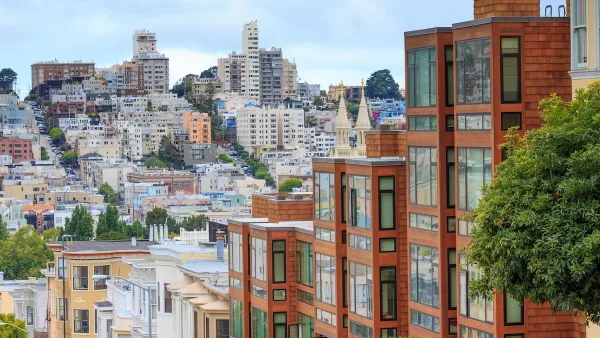
Opinion: What San Francisco’s Proposed ‘Family Zoning’ Could Really Mean
Mayor Lurie is using ‘family zoning’ to encourage denser development and upzoning — but could the concept actually foster community and more human-scale public spaces?
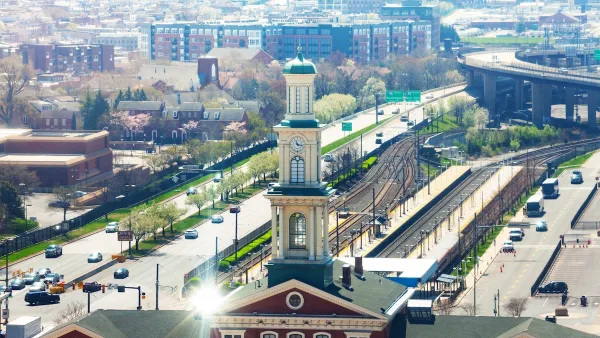
Maryland Awards $1.25M in TOD-Related Grants
The state’s DOT is funding projects that prepare sites around transit stations for future mixed-use development and housing.

Honolulu's Iwilei Center Plans for Redevelopment Into Mixed-Use Space
Striving to expand affordable housing options for Oahu residents, Honolulu's Department of Land Management requests to redevelop the Iwilei Center into a mixed-use space.

Planetizen Federal Action Tracker
A weekly monitor of how Trump’s orders and actions are impacting planners and planning in America.
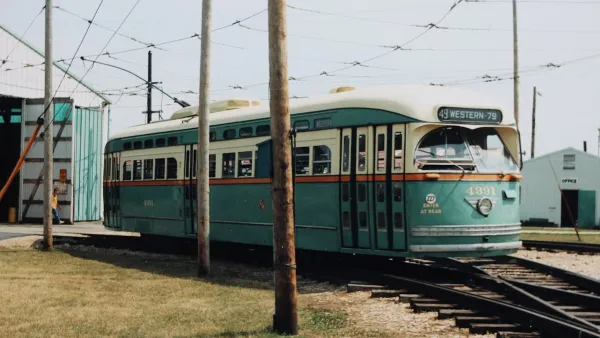
Chicago’s Ghost Rails
Just beneath the surface of the modern city lie the remnants of its expansive early 20th-century streetcar system.
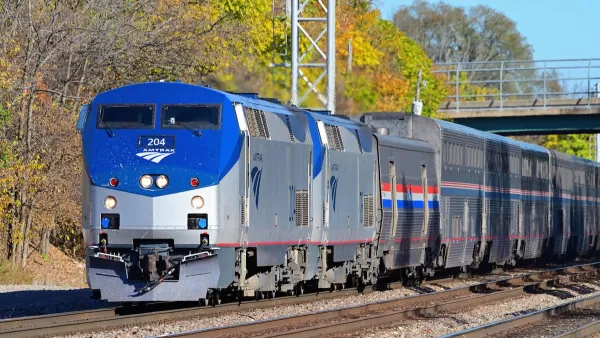
Amtrak Cutting Jobs, Funding to High-Speed Rail
The agency plans to cut 10 percent of its workforce and has confirmed it will not fund new high-speed rail projects.

Ohio Forces Data Centers to Prepay for Power
Utilities are calling on states to hold data center operators responsible for new energy demands to prevent leaving consumers on the hook for their bills.

MARTA CEO Steps Down Amid Citizenship Concerns
MARTA’s board announced Thursday that its chief, who is from Canada, is resigning due to questions about his immigration status.

Silicon Valley ‘Bike Superhighway’ Awarded $14M State Grant
A Caltrans grant brings the 10-mile Central Bikeway project connecting Santa Clara and East San Jose closer to fruition.

Urban Design for Planners 1: Software Tools
This six-course series explores essential urban design concepts using open source software and equips planners with the tools they need to participate fully in the urban design process.
Planning for Universal Design
Learn the tools for implementing Universal Design in planning regulations.

Caltrans
City of Fort Worth
Mpact (founded as Rail~Volution)
City of Camden Redevelopment Agency
City of Astoria
City of Portland
City of Laramie