


Jay Walljasper writing in Yes! Magazine, reports on all the innovations that make Portland the premier cycling city in the U.S.


While investments are being targeted at physical infrastructure, Portland is also engaged in creating a culture of cycling through social marketing campaigns and celebrations.
"[Portland's] plans signal a strategic shift in bicycle planning-a new push to serve more than the 8-10 percent of people who feel at ease biking today. Portland is now focusing on meeting the needs of the 60 percent of people who report in surveys that they're interested in biking more but feel nervous doing it on streets with cars zooming past. Currently, about two-thirds of Portland's 314 miles of bikeways are simple bike lanes, but the city is designing more bike boulevards (residential streets optimized for bike, rather than car, traffic), bike paths (off-street trails through parks or old rail lines), and cycle tracks (bike-only spaces separated from busy streets by a median, grade separation, or wide strip of painted pavement)...The new plan will push bike infrastructure to 5 percent of the city's total transportation budget."
Economic analysis is also revealing that these cycling investments are more than paying for themselves. It is estimated that the region is keeping $800 million in the local economy thanks to cycling, and that bikes are responsible for $1.5 billion in additional economic activity.
FULL STORY: Cycle City, USA


Pittsburgh To Revamp its Bike Share System With E-Bikes, New Stations
The system overhaul is partly due to nextbike's shift to focusing on its European markets. The new fleet will include 350 e-bikes and expand service to new neighborhoods.

Bike Share Coming to West Palm Beach
A new bike share system will bring 170 bikes to West Palm Beach as part of Brightline's new suite of door-to-door mobility options.
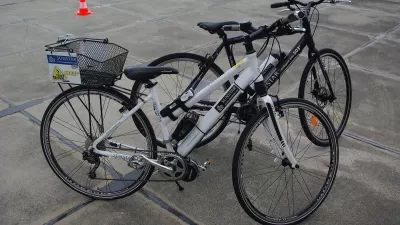
The E-Bike Boom Continues
The popularity of electric bikes doesn't seem to be waning as the devices outpace electric car sales by almost two to one.
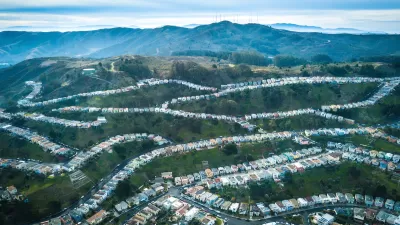
Depopulation Patterns Get Weird
A recent ranking of “declining” cities heavily features some of the most expensive cities in the country — including New York City and a half-dozen in the San Francisco Bay Area.
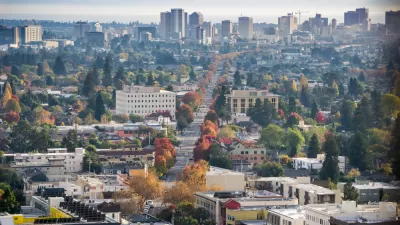
California Exodus: Population Drops Below 39 Million
Never mind the 40 million that demographers predicted the Golden State would reach by 2018. The state's population dipped below 39 million to 38.965 million last July, according to Census data released in March, the lowest since 2015.
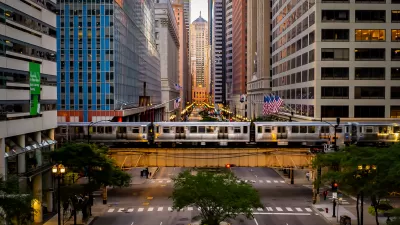
Chicago to Turn High-Rise Offices into Housing
Four commercial buildings in the Chicago Loop have been approved for redevelopment into housing in a bid to revitalize the city’s downtown post-pandemic.

How California Transit Agencies are Addressing Rider Harassment
Safety and harassment are commonly cited reasons passengers, particularly women and girls, avoid public transit.

Significant Investments Needed to Protect LA County Residents From Climate Hazards
A new study estimates that LA County must invest billions of dollars before 2040 to protect residents from extreme heat, increasing precipitation, worsening wildfires, rising sea levels, and climate-induced public health threats.

Federal Rule Raises Cost for Oil and Gas Extraction on Public Lands
An update to federal regulations raises minimum bonding to limit orphaned wells and ensure cleanup costs are covered — but it still may not be enough to mitigate the damages caused by oil and gas drilling.
City of Costa Mesa
Licking County
Barrett Planning Group LLC
HUD's Office of Policy Development and Research
Mpact Transit + Community
HUD's Office of Policy Development and Research
City of Universal City TX
ULI Northwest Arkansas
Town of Zionsville

Urban Design for Planners 1: Software Tools
This six-course series explores essential urban design concepts using open source software and equips planners with the tools they need to participate fully in the urban design process.
Planning for Universal Design
Learn the tools for implementing Universal Design in planning regulations.
