Walder’s arrival from London, where he transformed a flagging bus and subway system, brought high hopes for New York’s transit system, says Michael Grynbaum. But is he meeting the expectations of riders and officials?


Walder was eager to focus on modernization projects, but soon found he had inherited a dire financial situation, facing down a $1 billion budget gap, writes Grynbaum. With the MTA near collapse, Walder oversaw the most draconian service cuts in a generation, the third fare increase in three years, and the first layoffs in decades. Still, he has managed to implement some improvements, installing countdown clocks on subway platforms and equipping cross-town buses with GPS so riders can monitor progress.
Small improvements are laudable in the current economic climate but may not be enough to win the favor of the state's next governor, who will determine whether Walder stays on at the MTA, Grynbaum notes:
"Despite such impressive results on many of the system's most intractable problems, Mr. Walder's tenure remains, in the minds of many residents and politicians, underlined by its moment: one in which New Yorkers are being forced to pay more for less service."
FULL STORY: Strapped: A Bumpy Year

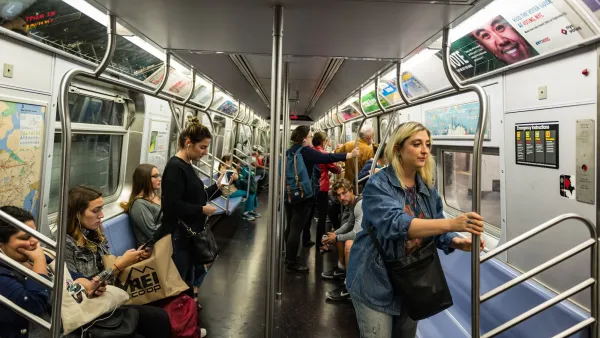
Unlocking the full potential of NYC's Interborough Express
A few strategic investments could turn the IBX into an essential spine of the regional transportation network, not just another branch of New York's subway system.
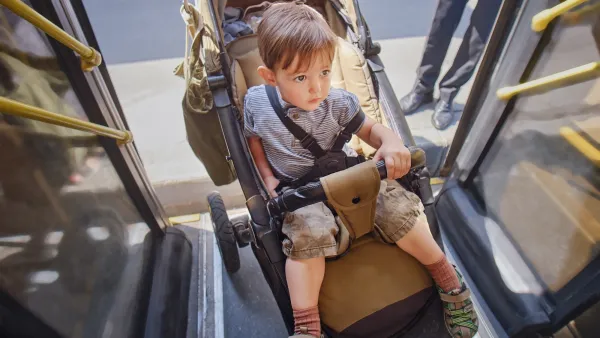
MTA plans to outfit all buses with stroller storage by next year
All buses will have seats that flip up to allow for stroller storage or more standing room.
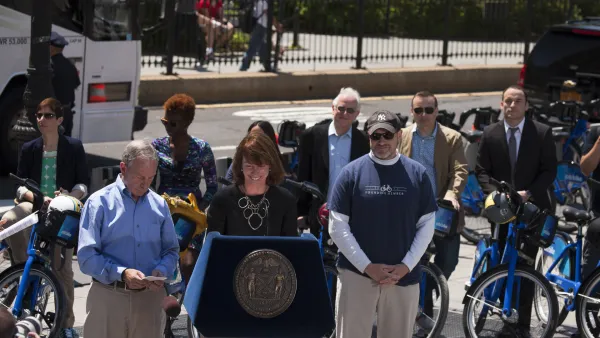
NYC 'bicycle visionary' Janette Sadik-Khan returns to public service with appointment to MTA board
The former DOT commissioner is known for her efforts to make NYC streets safe for people biking and walking.

The state-sanctioned urbicide of Austin
People don’t kill cities. Freeways do.

US to reduce Colorado River water deliveries to Mexico
A new Colorado Treaty amendment reduces Mexico’s Colorado River water allocation by 250,000 acre feet.

New Jersey’s second-largest city bans standalone data centers
Jersey City will continue to allow co-location facilities, such as those meant for research institutions that store their own data.

Amtrak not solely to blame for New Jersey commuter rail's unreliability, report finds
A new study from the Garden State Initiative found that NJ Transit’s budget grew 20% across a 4 year period, but reliability declined significantly over the same period.

EPA erases limits on planet-warming pollution from power plants
Under Monday’s plan, power plants would still have some limits on how much mercury, arsenic and other contaminants they can emit.

Phoenix announces new on-demand transit service, more frequent RAPID buses
Both new services will launch in October, and are part of Phoenix's Project Effective Access Solutions for Easing Congestion.

FREE Course: Walkable City 1: Why Walkability?
After describing his path towards focusing on walkability as the essence of good planning, Jeff Speck marches through his five principal reasons for making more walkable places.
Reinventing Malls: Planning Alchemy—Turning Gray Fields Into Gold
The course focuses on the opportunities and imperatives that shape reinvention of mall sites.

Eagle County Government
Harvard University Graduate School of Design
Nashville Planning Department
The Architects Foundation
University of Cincinnati Online
The Pocatello Development Authority
The Urban Renewal Agency of the City of Pocatello
Journal of the American Planning Association