Paul Krugman bemoans the death of the Access to the Region's Core project. He says it is symptomatic of a national resistance to address critical infrastructure and economic challenges.


Krugman characterizes New Jersey Governor Chris Christie's decision to kill the $8.7 billion project as shortsighted, given the needs of his home state, but also as part of a 'pattern of penny-pinching' at the local and federal level that contributes to prolonged economic stagnation.
For Krugman, low interest rates on federal debt combined with outmoded systems mean there is no time like the present to rebuild America's infrastructure. He also argues that investing in critical improvements would create jobs essential to the country's long-term recovery.
He writes:
'We are no longer the nation that used to amaze the world with its visionary projects. We have become, instead, a nation whose politicians seem to compete over who can show the least vision, the least concern about the future and the greatest willingness to pander to short-term, narrow-minded selfishness.'
Read the full story: The End of the Tunnel
With ARC Truly Dead, What’s Next for Jersey?
Yonah Freemark looks at how to increase rail ridership without adding trains.
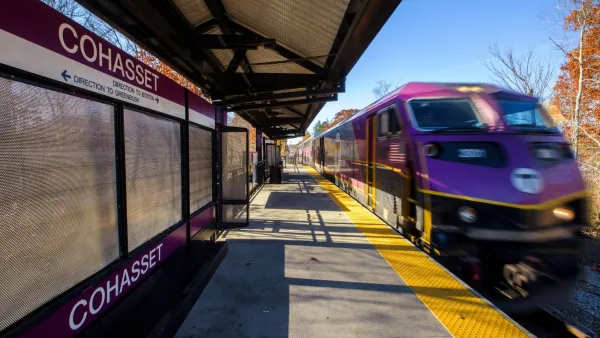
MBTA extends commuter rail discounts and lowers express bus fare to keep passengers riding into the fall
Boston-area commuters can access half-price monthly passes through November.
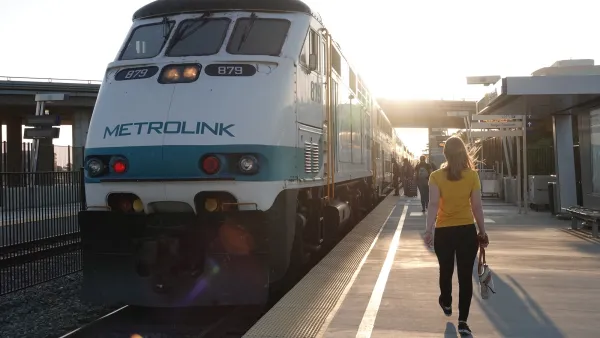
SoCal's Metrolink to continue 'temporary' service cuts
The commuter rail agency faces a $15 million budget shortfall and could see diminished contributions from its two top funders.

Desperate measures: Advocates weigh draining Lake Powell to fill Colorado River
Draining the reservoir could reduce evaporation losses by a couple hundred thousand acre-feet.

Eastern Nebraska is running out of electricity
Data centers and electrification are straining eastern Nebraska’s grid, throttling economic development.

Move over, LA: St. Louis gears up for Olympics, invests millions in downtown redevelopment
The Missouri city will host the 2028 Olympic soccer group stage and knockout matches.

Mass. votes against statewide minimum lot size for single-family homes
Over 2 million residents voted on Question 7; it was decided by just over 30,000 votes.

Maryland’s $15 billion bridge project gains key approval
The Maryland Transit Authority said the project will create over 60,000 jobs and add $23 billion to the local economy.

‘No clear next steps’ for Chicago's permanent festival grounds
Eleventh Ward Ald. Nicole Lee has suggested Soldier Field as a possible location for the permanent event space.

FREE Course: Walkable City 1: Why Walkability?
After describing his path towards focusing on walkability as the essence of good planning, Jeff Speck marches through his five principal reasons for making more walkable places.
Reinventing Malls: Planning Alchemy—Turning Gray Fields Into Gold
The course focuses on the opportunities and imperatives that shape reinvention of mall sites.

City of Rosemead
Rutgers University, Edward J. Bloustein School of Planning and Public Policy
One Hundred Miles
University of Michigan School for Environment and Sustainability (SEAS)
Hunter College, City University of New York (CUNY)
The Architects Foundation
City of Cambridge
Montrose County
The Pocatello Development Authority