At first glance, the historic Ghetto streetscene in Venice is an appealing new urbanist community. In another place at another time, the virtues of compact, walkable and dense were the very isolation we now abhor.


The Ghetto in the Cannareggio section of Venice became the namesake of overcrowded and segregated urban neighborhoods around the world. Yet, at the same time, from its roots in the sixteenth century to the present, the Ghetto has featured the compact, dense, walkable core–the type is fancied as the antidote to sprawl–with qualities central to mainstream urban reinvention today.
In this narrated photoessay, Seattle's myurbanist gives a brief history of both the Ghetto and critics of new urbanism, and suggests that with attention to sustainable urban systems and context, a cautionary placemaking can avoid polemics, be mindful of desired outcomes and avoid the irony of social outcomes of historic compact, walkable and dense communities.
Thanks to Chuck Wolfe
Read the full story: practicing cautionary placemaking: urbanism and the Venetian Ghetto

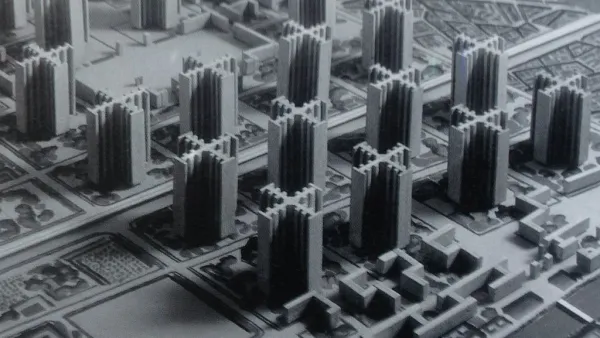
Op-Ed: Utopian Thinking Poses Continued Dangers for Urbanists
Charles Wolfe calls attention to similarities between contemporary urbanism and yesterday's debunked utopias. The two may differ in substance, but both tend toward a certain level of dogma that isn't necessarily helpful on the ground.
8 Tips for Suburban Placemaking
Suburban areas looking to improve public places can try following this advice.
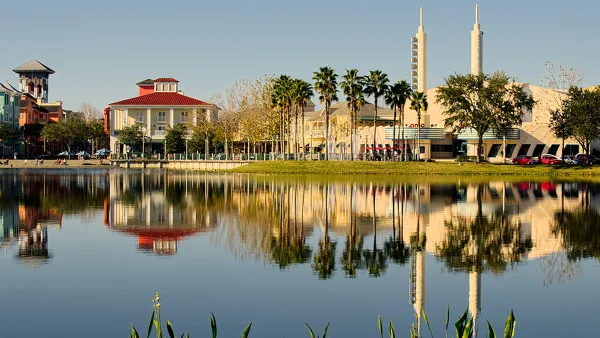
Celebration, Florida: 20 Years Later
Disney's efforts to make a quaint American town both failed and succeeded in ways few could have predicted.

Planetizen Federal Action Tracker
A weekly monitor of how Trump’s orders and actions are impacting planners and planning in America.

Amtrak, CN end decades-long dispute with eight-year agreement
The new operating agreement establishes an updated framework for the companies to work together, including processes to resolve disputes.

Judges permit Denver to divert 77,000 acre feet from the Colorado River for reservoir expansion
Overuse and climate change have caused the Colorado River’s water levels to plummet.

NYC DOT wants faster, more permanent street upgrades
The city is examining ways to build more concrete infrastructure without getting entangled in 'decades-long' projects.

'Something we’ve never seen before:' rising utility rates could strain city finances nationwide
Data centers, climate change and other factors have caused utility rates in the United States to increase by 38% since 2020.

Trump to overrule local leaders, lease millions of acres of America’s Pacific Island territories’ seafloors to mining companies
International law says that the Indigenous people of America’s territories have a right to prior and informed consent regarding projects that impact their countries.

FREE Course: Walkable City 1: Why Walkability?
After describing his path towards focusing on walkability as the essence of good planning, Jeff Speck marches through his five principal reasons for making more walkable places.
Reinventing Malls: Planning Alchemy—Turning Gray Fields Into Gold
The course focuses on the opportunities and imperatives that shape reinvention of mall sites.

Harvard University Graduate School of Design
KFH Group Inc.
Greater Baltimore Committee
The Architects Foundation
University of Cincinnati Online
The Pocatello Development Authority
The Urban Renewal Agency of the City of Pocatello