























Witold Rybczynski takes a look at architecture that has fared poorly with time.


Rybczynski writes, "'A work of art, architecture, whatever it is, needs time to finally make a judgement as to whether it's right or not,' says I.M. Pei in First Person Singular (1997), Peter Rosen's fine documentary about the architect. It is a cruel irony that after 30 years, what many consider Pei's greatest work, the East Building (right) of the National Gallery in Washington, D.C., has gone seriously wrong."
Architects such as I.M. Pei, Frank Lloyd Wright and Frank Gehry have all produced celebrated buildings that, years or sometimes only months after completion, have sprouted major structural and functional problems. This article examines some of the more famous instances of famous buildings with infamous problems.
Thanks to Franny Ritchie
FULL STORY: Nice Try:The East Building, Avery Fisher Hall, Fallingwater, and other ambitious architectural failures.

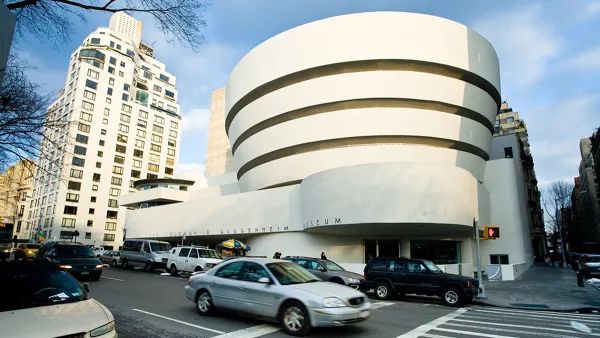
8 Frank Lloyd Wright Buildings Nominated as UNESCO World Heritage Sites
If accepted as UNESCO World Heritage sites, the eight Frank Lloyd Wright buildings would be the first examples of modern architecture in the United States included in that august company.
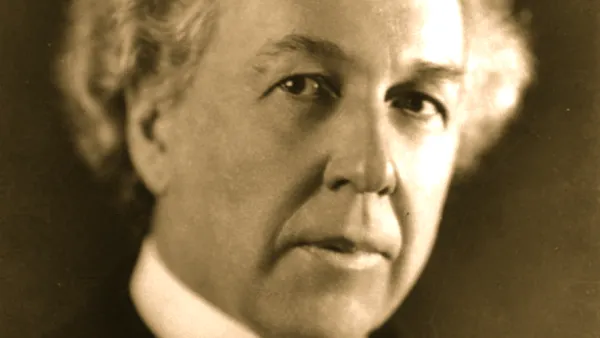
Celebrate Frank Lloyd Wright's 150th Birthday Today
June 8 marks the 150th anniversary of the birth of Frank Lloyd Wright, and Dezezen has rounded up 10 ways to celebrate nationwide.

Draft Los Angeles River Master Plan Revealed
A new draft Los Angeles Master Plan, created by Frank Gehry's firm, lays out a more active, natural vision for the river, in addition to addressing concerns about displacement in communities along the river corridor.

Planetizen Federal Action Tracker
A weekly monitor of how Trump’s orders and actions are impacting planners and planning in America.
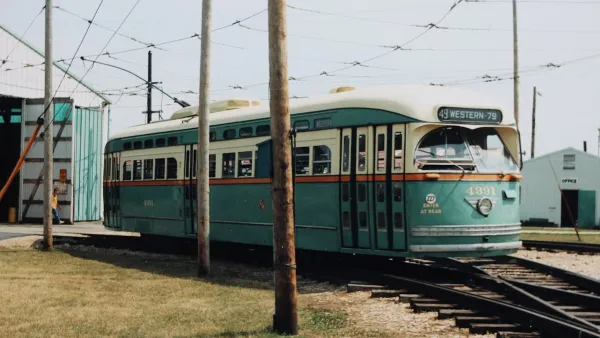
Chicago’s Ghost Rails
Just beneath the surface of the modern city lie the remnants of its expansive early 20th-century streetcar system.
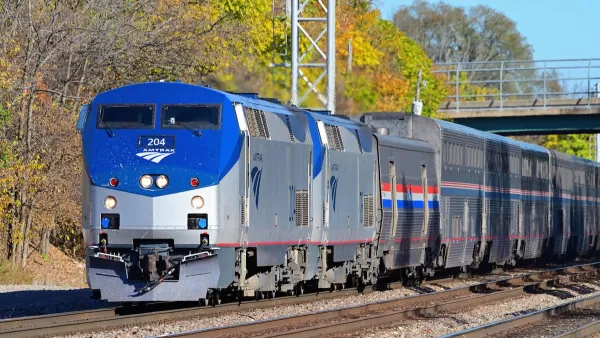
Amtrak Cutting Jobs, Funding to High-Speed Rail
The agency plans to cut 10 percent of its workforce and has confirmed it will not fund new high-speed rail projects.

Ohio Forces Data Centers to Prepay for Power
Utilities are calling on states to hold data center operators responsible for new energy demands to prevent leaving consumers on the hook for their bills.

MARTA CEO Steps Down Amid Citizenship Concerns
MARTA’s board announced Thursday that its chief, who is from Canada, is resigning due to questions about his immigration status.

Silicon Valley ‘Bike Superhighway’ Awarded $14M State Grant
A Caltrans grant brings the 10-mile Central Bikeway project connecting Santa Clara and East San Jose closer to fruition.

Urban Design for Planners 1: Software Tools
This six-course series explores essential urban design concepts using open source software and equips planners with the tools they need to participate fully in the urban design process.
Planning for Universal Design
Learn the tools for implementing Universal Design in planning regulations.

Caltrans
City of Fort Worth
Mpact (founded as Rail~Volution)
City of Camden Redevelopment Agency
City of Astoria
City of Portland
City of Laramie