


























Two years ago, Steve Patterson suffered a stroke. As he goes through the process of recovery, he sees some lessons for struggling cities.


St. Louis and other cities have suffered similar "hemorrhaging" of people in recent decades. As a result, the jobs economy has dried up and limited the city's ability to develop -- not unlike a stroke-paralyzed body that is struggling to regain its motion and ability.
"Cities have been in the same situation, a stroke of massive population job losses. This lost left cities unable to function as they had before. But our therapy for cities has been hoping they'd regain lost function. As I know function does return. I can walk again but I can't run, skip or ride a bike - yet.
Cities need to start with the basics, one step at a time. Cities need to examine what no longer works and what can come back first. In stroke therapy they leg returns before the arm. Fingers come back very late. I can barely move my left ankle and I still can't move my toes on my left foot. Cities, I think, have been trying to move their big toe rather than get their leg back first."
FULL STORY: Stroke recovery as a model for cities


The Cities that Most Resemble Each Other
A fun activity in city comparison.

Urban Planning Ranked as the Second Best Job in Canada
It might come as a shock to planners who lived and worked through the great recession, but a Canadian publication has named urban planning in the number two position on a ranking of "Best Jobs" in the country.
Report Finds Surging City Center Job Growth
For half a century, suburbs surpassed city centers in population and job growth. These economic and demographic trends appear to be reversing. America's cities have grown faster than outlying areas and new research that jobs are coming with them.

Planetizen Federal Action Tracker
A weekly monitor of how Trump’s orders and actions are impacting planners and planning in America.
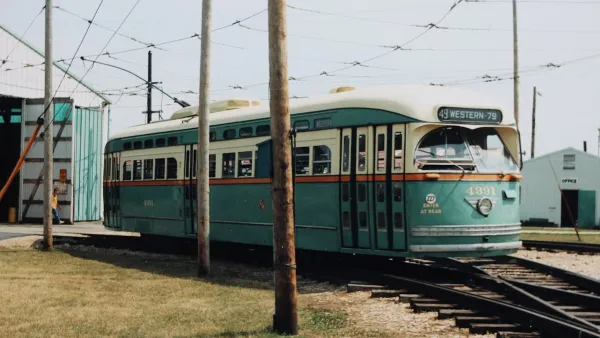
Chicago’s Ghost Rails
Just beneath the surface of the modern city lie the remnants of its expansive early 20th-century streetcar system.

Amtrak Cutting Jobs, Funding to High-Speed Rail
The agency plans to cut 10 percent of its workforce and has confirmed it will not fund new high-speed rail projects.

Ohio Forces Data Centers to Prepay for Power
Utilities are calling on states to hold data center operators responsible for new energy demands to prevent leaving consumers on the hook for their bills.

MARTA CEO Steps Down Amid Citizenship Concerns
MARTA’s board announced Thursday that its chief, who is from Canada, is resigning due to questions about his immigration status.

Silicon Valley ‘Bike Superhighway’ Awarded $14M State Grant
A Caltrans grant brings the 10-mile Central Bikeway project connecting Santa Clara and East San Jose closer to fruition.

Urban Design for Planners 1: Software Tools
This six-course series explores essential urban design concepts using open source software and equips planners with the tools they need to participate fully in the urban design process.
Planning for Universal Design
Learn the tools for implementing Universal Design in planning regulations.

Caltrans
City of Fort Worth
Mpact (founded as Rail~Volution)
City of Camden Redevelopment Agency
City of Astoria
City of Portland
City of Laramie