



















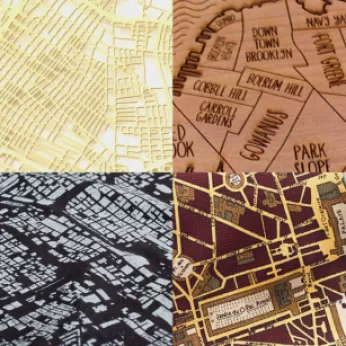



The growth patterns of amoebae as they spread out to connect to food sources bears a striking resemblance to the map of a rail system. Some say the amoeba could inform urban planners and designers.


"[A] species of gelatinous amoeba could help urban planners design better road systems to reduce traffic congestion, a new study found.
A team of researchers studied the slime mold species Physarum polycephalum and found that as it grows it connects itself to scattered food crumbs in a design that's nearly identical to Tokyo's rail system."
The growth patterns are formed in the most efficient possible way, maximizing access to nutrients while expending the least amount of energy. The scientists leading this experiment at Hokkaido University in Japan arranged specks of food in the amoebae's dish to match the layout of the train system around Tokyo.
"They even added areas of bright light (which slime mold tends to avoid) to correspond to mountains or other geologic features that the trains would have to steer around", according to this article from MSNBC.
Thanks to David B. Bookless, AICP
FULL STORY: Better transit design through ... slime mold?

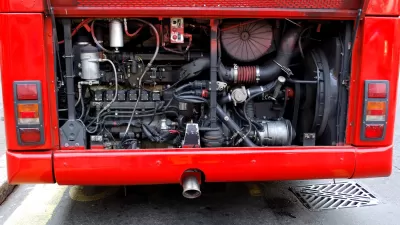
APTA Requests CDL Testing Change to Address Bus Operator Shortage
Eighty-four percent of U.S. transit agencies surveyed said CDL complexity was a hiring obstacle, with the “under-the-hood” requirement being the most challenging.
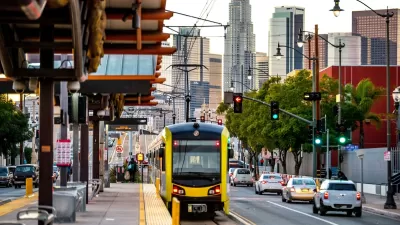
L.A. Transit Surpasses 1M Weekday Riders for First Time Since Pandemic
Rail and bus ridership in the Los Angeles metropolitan area is recovering at a faster rate than the national average.

Flixbus Nearing Deal With Chicago Bus Terminal
Greyhound is shedding stations around the country, but Chicago intercity bus passengers will still be able to use the city’s main bus terminal — for now.

Planetizen Federal Action Tracker
A weekly monitor of how Trump’s orders and actions are impacting planners and planning in America.

Maui's Vacation Rental Debate Turns Ugly
Verbal attacks, misinformation campaigns and fistfights plague a high-stakes debate to convert thousands of vacation rentals into long-term housing.
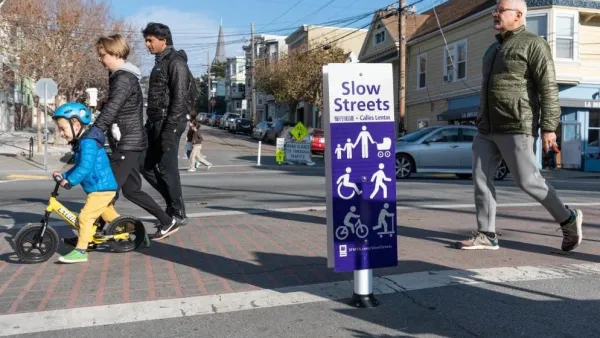
San Francisco Suspends Traffic Calming Amidst Record Deaths
Citing “a challenging fiscal landscape,” the city will cease the program on the heels of 42 traffic deaths, including 24 pedestrians.

Amtrak Rolls Out New Orleans to Alabama “Mardi Gras” Train
The new service will operate morning and evening departures between Mobile and New Orleans.

The Subversive Car-Free Guide to Trump's Great American Road Trip
Car-free ways to access Chicagoland’s best tourist attractions.

San Antonio and Austin are Fusing Into one Massive Megaregion
The region spanning the two central Texas cities is growing fast, posing challenges for local infrastructure and water supplies.

Urban Design for Planners 1: Software Tools
This six-course series explores essential urban design concepts using open source software and equips planners with the tools they need to participate fully in the urban design process.
Planning for Universal Design
Learn the tools for implementing Universal Design in planning regulations.

Heyer Gruel & Associates PA
JM Goldson LLC
Custer County Colorado
City of Camden Redevelopment Agency
City of Astoria
Transportation Research & Education Center (TREC) at Portland State University
Jefferson Parish Government
Camden Redevelopment Agency
City of Claremont