






















Give software developers open transit data, and they'll create applications that make riding easier and more convenient, says Ben Fried. But straphangers in the nation's largest transit market, New York, are still waiting for the MTA to open up.


"If you live in Portland, there are dozens of mobile applications that help fill gaps in transit information. You can check your phone to see when the next bus is supposed to come. You can plan a trip from one unfamiliar part of town to another. You can even have your mobile device buzz if you fall asleep before reaching your destination. For the basic stuff, there's no iPhone necessary (although that certainly helps for information luxuries). Anyone who has a plain old cell phone with text messaging can ride the train or the bus with greater ease thanks to these apps."
"New Yorkers are still waiting for the MTA to join the club. Simply put, the MTA makes it difficult to create applications using its data, even for a behemoth like Google with enormous reach."
FULL STORY: The Case for Open MTA Data: Transparency, Savings, and Easier Riding

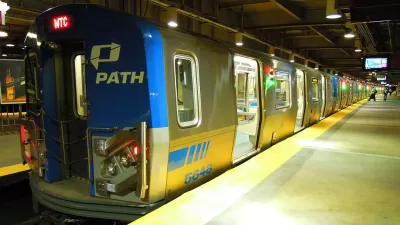
On Isolated Transit Systems
In cities like New York where multiple transit operators serve the same travelers, nothing compels those operators to work together. This isolation can result in embarrassing inefficiencies.
How "Train Nerds" Saved NYC's Subway from Sandy
It took an effort that was both well-planned and ad-hoc to save NYC's backbone from Hurricane Sandy, and have the city's transit system back up and running again soon after the storm. Robert Sullivan examines that effort and what happens next time.
Growing People And Jobs While Shrinking Traffic
As New York City faces its worst financial crisis in 2 decades, a NYC D.O.T. study was released showing that from 2003-2007, the increase in jobs and people was accompanied by a slight decrease in traffic due primarily to increased transit usage.

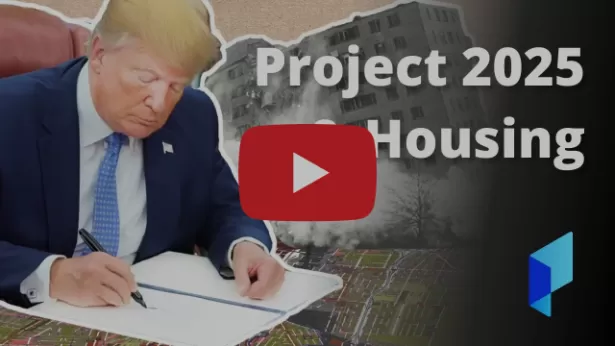
Planetizen Federal Action Tracker
A weekly monitor of how Trump’s orders and actions are impacting planners and planning in America.
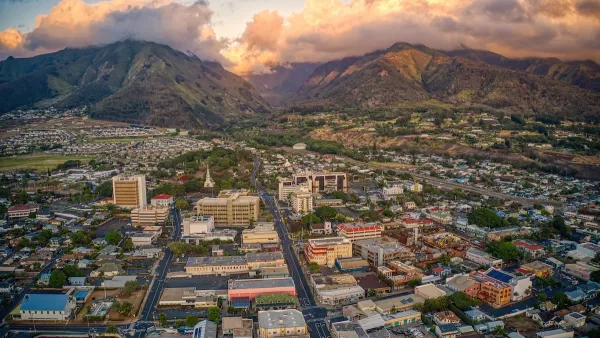
Maui's Vacation Rental Debate Turns Ugly
Verbal attacks, misinformation campaigns and fistfights plague a high-stakes debate to convert thousands of vacation rentals into long-term housing.
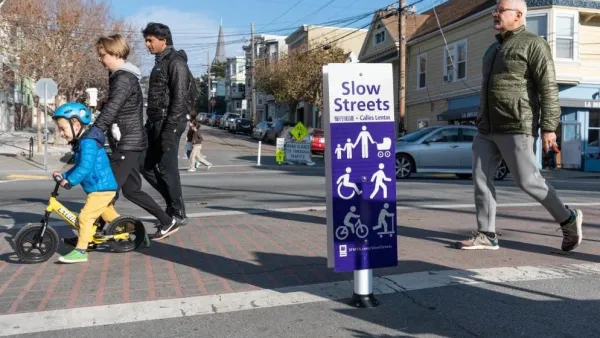
San Francisco Suspends Traffic Calming Amidst Record Deaths
Citing “a challenging fiscal landscape,” the city will cease the program on the heels of 42 traffic deaths, including 24 pedestrians.

Amtrak Rolls Out New Orleans to Alabama “Mardi Gras” Train
The new service will operate morning and evening departures between Mobile and New Orleans.

The Subversive Car-Free Guide to Trump's Great American Road Trip
Car-free ways to access Chicagoland’s best tourist attractions.

San Antonio and Austin are Fusing Into one Massive Megaregion
The region spanning the two central Texas cities is growing fast, posing challenges for local infrastructure and water supplies.

Urban Design for Planners 1: Software Tools
This six-course series explores essential urban design concepts using open source software and equips planners with the tools they need to participate fully in the urban design process.
Planning for Universal Design
Learn the tools for implementing Universal Design in planning regulations.

Heyer Gruel & Associates PA
JM Goldson LLC
Custer County Colorado
City of Camden Redevelopment Agency
City of Astoria
Transportation Research & Education Center (TREC) at Portland State University
Jefferson Parish Government
Camden Redevelopment Agency
City of Claremont