


Washington's top transportation official has indicated support for the idea of beefing up transportation funds by taxing drivers by the mile.


"Washington state should allow a pilot project to tax drivers by the mile in King, Pierce and Snohomish counties, a Seattle official said Tuesday."
"'Let us try it,' Seattle Department of Transportation Director Grace Crunican said during a morning Urban Land Institute discussion on how to meet massive and changing infrastructure needs."
"...David Dye, deputy secretary of the Washington Department of Transportation, said state residents are not ready to accept paying for roads, and routinely point out that 'freeway' has 'free' right in the name.
But tolls are coming back to the central Puget Sound, Dye said. 'That's going to be a critical part of how we finance our transportation infrastructure in the future.'
Washington has around $80 billion in unfunded transportation infrastructure needs, with about half of that in the central Puget Sound, Dye said."
FULL STORY: Let's try taxing drivers by the mile, Seattle official says

Texas to Study Per-Mile Gas Tax
Transportation officials in Texas are recommending a fresh look at the prospect of taxing the state's drivers by the mile.
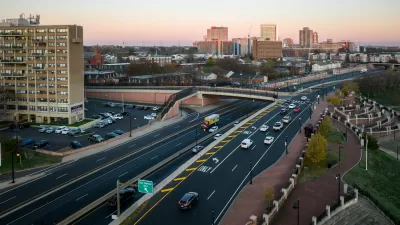
New Jersey Bill to Raise Gas Tax Passes Out of Committee
The bill passed along party lines, but it received bipartisan pushback from both Republican and Democratic committee members, as well as environmentalists and car industry experts.
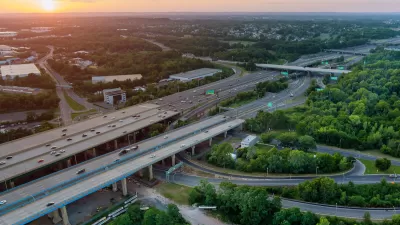
New Jersey Bill Would Raise Gas Tax, Create EV Registration Fee
The bill’s supporters argue that increased revenue is needed to keep up with the state’s infrastructure and transportation needs.
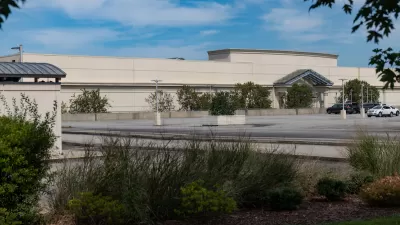
Pennsylvania Mall Conversion Bill Passes House
If passed, the bill would promote the adaptive reuse of defunct commercial buildings.
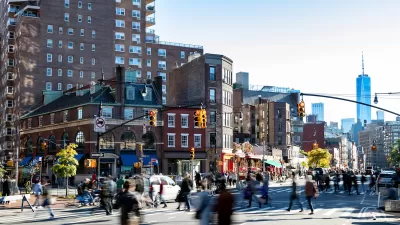
Planning for Accessibility: Proximity is More Important than Mobility
Accessibility-based planning minimizes the distance that people must travel to reach desired services and activities. Measured this way, increased density can provide more total benefits than increased speeds.
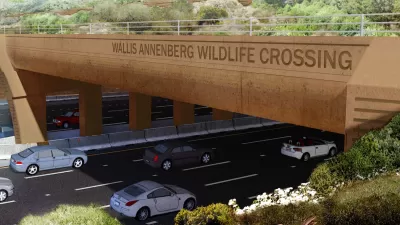
World's Largest Wildlife Overpass In the Works in Los Angeles County
Caltrans will soon close half of the 101 Freeway in order to continue construction of the Wallis Annenberg Wildlife Crossing near Agoura Hills in Los Angeles County.

Eviction Looms for Low-Income Tenants as Rent Debt Rises
Nonprofit housing operators across the country face almost $10 billion in rent debt.

Brightline West Breaks Ground
The high-speed rail line will link Las Vegas and the Los Angeles area.

Colorado Bans No-Fault Evictions
In most cases, landlords must provide a just cause for evicting tenants.
City of Costa Mesa
Licking County
Barrett Planning Group LLC
HUD's Office of Policy Development and Research
Mpact Transit + Community
HUD's Office of Policy Development and Research
Tufts University, Department of Urban and Environmental Policy & Planning
City of Universal City TX
ULI Northwest Arkansas

Urban Design for Planners 1: Software Tools
This six-course series explores essential urban design concepts using open source software and equips planners with the tools they need to participate fully in the urban design process.
Planning for Universal Design
Learn the tools for implementing Universal Design in planning regulations.
