





















Metropolis talks with William Saunders, editor of Harvard Design Magazine, about his new book covering the evolving field of urban design.


Metropolis: Your book starts out by looking back to the first conferences on urban design, in 1956 at Harvard, which attempted to establish the new field as a collaboration between architecture, landscape architecture, and planning. But now urban design is mostly the domain of architects. Why do you think that is?
William Saunders: I think Krieger is right when he talks about urban design as more a state of mind than a profession. You could be an urban designer and be a physician if you simply thought in terms of how parts of cities should relate, how parts of cities can enliven cities, and things like that. But there is this sort of cultural "number one" spot that architecture has usually had, this cultural status. And it's kind of bullied its way to the top.
Metropolis: What's a good example of urban design?
William Saunders: The one in the last decade everyone refers to-and it's on the cover of this book-is Millennium Park in Chicago. It is an outstanding project. It's used by the citizens of the city as well as tourists, it's beautiful, it's high artistic quality, it serves public needs with its concert spaces. Then you could think of things like what Foster did with Trafalgar square, to take cars and trucks out of it and turn it into a pedestrian zone.
FULL STORY: Q&A: William Saunders


How Public Spaces Exclude Teen Girls
Adolescent girls face unique challenges and concerns when navigating public spaces. We can design cities with their needs in mind.

How Urban Design Can Benefit Parents and Kids
Designing thoughtful, child-friendly public spaces can ease the burdens of modern parenting and offer safe spaces for children to learn self-reliance and resilience.

Fighting the ‘Loneliness Epidemic’ in Cities
While urban design alone can’t mend the tears in our social fabric, planning decisions and thoughtful, inclusive design can offer or hinder opportunities for interaction.

Planetizen Federal Action Tracker
A weekly monitor of how Trump’s orders and actions are impacting planners and planning in America.
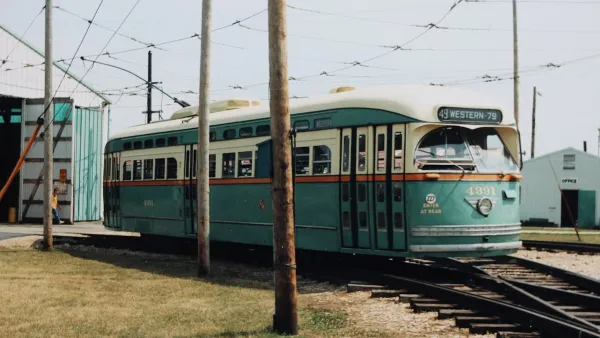
Chicago’s Ghost Rails
Just beneath the surface of the modern city lie the remnants of its expansive early 20th-century streetcar system.

Amtrak Cutting Jobs, Funding to High-Speed Rail
The agency plans to cut 10 percent of its workforce and has confirmed it will not fund new high-speed rail projects.

Ohio Forces Data Centers to Prepay for Power
Utilities are calling on states to hold data center operators responsible for new energy demands to prevent leaving consumers on the hook for their bills.

MARTA CEO Steps Down Amid Citizenship Concerns
MARTA’s board announced Thursday that its chief, who is from Canada, is resigning due to questions about his immigration status.

Silicon Valley ‘Bike Superhighway’ Awarded $14M State Grant
A Caltrans grant brings the 10-mile Central Bikeway project connecting Santa Clara and East San Jose closer to fruition.

Urban Design for Planners 1: Software Tools
This six-course series explores essential urban design concepts using open source software and equips planners with the tools they need to participate fully in the urban design process.
Planning for Universal Design
Learn the tools for implementing Universal Design in planning regulations.

Caltrans
City of Fort Worth
Mpact (founded as Rail~Volution)
City of Camden Redevelopment Agency
City of Astoria
City of Portland
City of Laramie