




















Since the creation of the Interstate highway system, Americans have never ridden public transportation as heavily as they did in 2008. This year, however, the upward trend will probably not continue.


"Ridership surged after gasoline prices hit $4 a gallon last summer and held steady in the fall after gas prices fell, the report found. But few experts expect the growth to continue this year, in part because transit systems across the country are raising fares and cutting service as the tax revenue they rely on plummets during the recession.
But for transit operators, last year's mark was something to savor. It was the most trips on public transit since 1956, when Elvis Presley released 'Heartbreak Hotel,' Soviet tanks quashed an uprising in Hungary, and Congress passed the Federal-Aid Highway Act, which created the Interstate highway system and lured commuters to trade in their tokens and bus tickets for car keys.
Transit officials were especially heartened that Americans continued to turn to public transportation in the last quarter of the year, even after gas prices dropped."
FULL STORY: Transit Use Hit Five-Decade High in 2008 as Gas Prices Rose

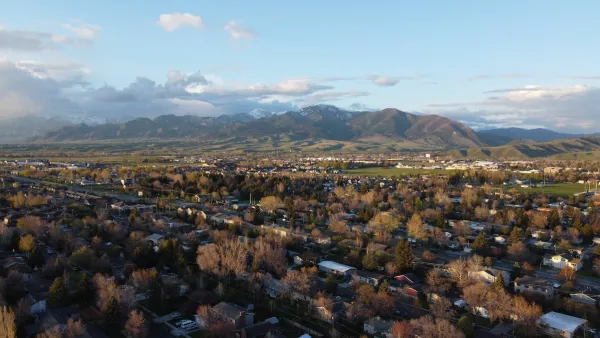
‘It’s Been 50 years’: Public Transit Law Passes in Montana
Legislation would fix transportation district issue, allow for greater reach on city bus routes.
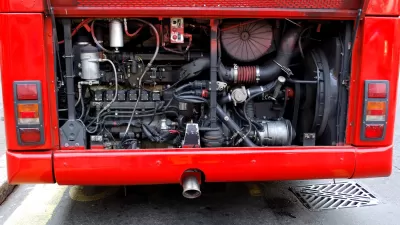
APTA Requests CDL Testing Change to Address Bus Operator Shortage
Eighty-four percent of U.S. transit agencies surveyed said CDL complexity was a hiring obstacle, with the “under-the-hood” requirement being the most challenging.

Cincinnati Seeks to Repurpose Its Unused Subway Tunnel
City officials are looking for proposals to use Cincinnati's long-abandoned subway tunnels, but not for transit; they already tried that.
Planetizen Federal Action Tracker
A weekly monitor of how Trump’s orders and actions are impacting planners and planning in America.
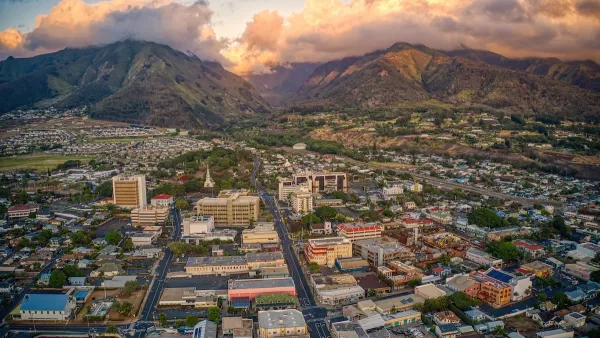
Maui's Vacation Rental Debate Turns Ugly
Verbal attacks, misinformation campaigns and fistfights plague a high-stakes debate to convert thousands of vacation rentals into long-term housing.
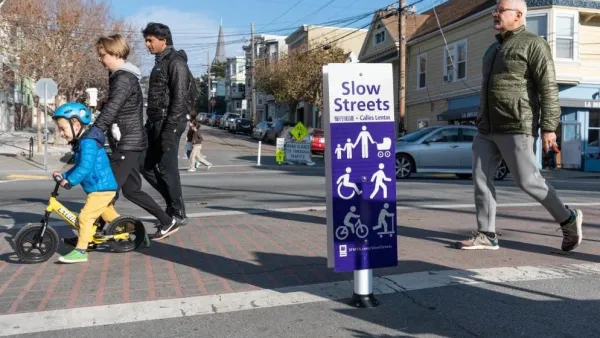
San Francisco Suspends Traffic Calming Amidst Record Deaths
Citing “a challenging fiscal landscape,” the city will cease the program on the heels of 42 traffic deaths, including 24 pedestrians.

Defunct Pittsburgh Power Plant to Become Residential Tower
A decommissioned steam heat plant will be redeveloped into almost 100 affordable housing units.

Trump Prompts Restructuring of Transportation Research Board in “Unprecedented Overreach”
The TRB has eliminated more than half of its committees including those focused on climate, equity, and cities.

Amtrak Rolls Out New Orleans to Alabama “Mardi Gras” Train
The new service will operate morning and evening departures between Mobile and New Orleans.

Urban Design for Planners 1: Software Tools
This six-course series explores essential urban design concepts using open source software and equips planners with the tools they need to participate fully in the urban design process.
Planning for Universal Design
Learn the tools for implementing Universal Design in planning regulations.

Heyer Gruel & Associates PA
JM Goldson LLC
Custer County Colorado
City of Camden Redevelopment Agency
City of Astoria
Transportation Research & Education Center (TREC) at Portland State University
Jefferson Parish Government
Camden Redevelopment Agency
City of Claremont