























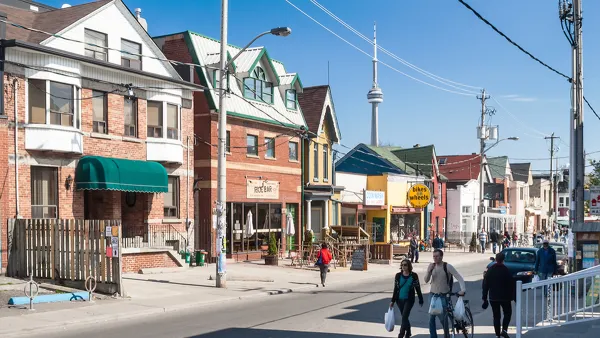
The recession and the end of the age of fast-growth will be a good thing for Toronto, argues Christopher Hume.


"A decade and more of prosperity has forever changed the face of the city. In addition to the now usual clusters of new condo towers, Toronto took advantage of the good times to rebuild much of its infrastructure, cultural and institutional."
"But for all the pain it will cause, the death of the growth-at-any-cost economy could be one of the best things to happen to Toronto and Canada."
"Though inevitable, no one would suggest that the transition to the next economy – whatever it may be – will be smooth. But rather than waste the unique opportunity this crisis presents, we must take advantage of it to create smarter ways of city-building."
"For the GTA and the region beyond, the recession could well turn out to be a desperately needed opportunity to slow down and take a second look. In our rush to remake the city, we have grown accustomed to the sort of bad development and second-rate architecture that abounds in these parts."
FULL STORY: Good times for smart building


Debating the End of Single-Family Zoning in Toronto
A retired city planner takes a position against "lot splitting," or allowing more than one unit on properties zones for single-family residential as it's known in Toronto.
Budget Cuts to Hit Toronto's Planners Despite City's Continued Growth
Many in Toronto's planning department voiced concerns about proposed cuts to the budget, in part because of the growing number of applications they're receiving.
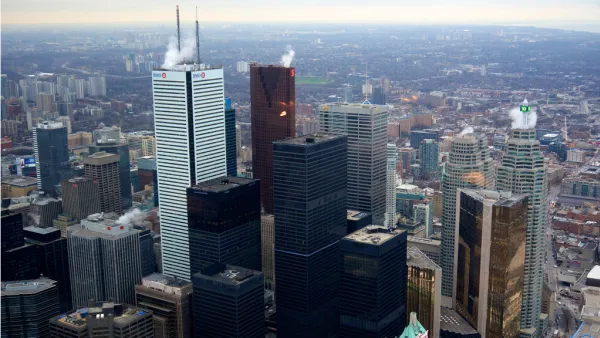
Costs Soar for the Suburban Lifestyle in the Toronto Area
Famous for its focus on dense, infill development and quickly ascending skyline, the Toronto housing market is still plagued by rising housing costs at the single-family detached homes end of the spectrum.

Planetizen Federal Action Tracker
A weekly monitor of how Trump’s orders and actions are impacting planners and planning in America.
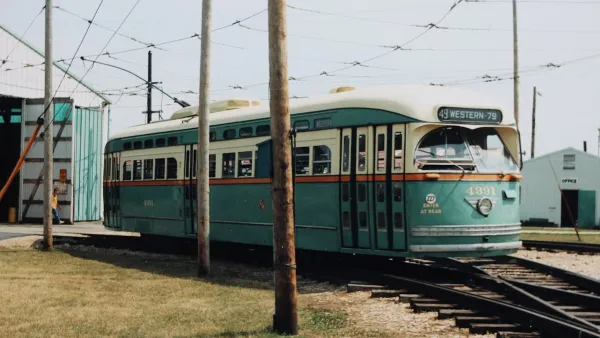
Chicago’s Ghost Rails
Just beneath the surface of the modern city lie the remnants of its expansive early 20th-century streetcar system.

Amtrak Cutting Jobs, Funding to High-Speed Rail
The agency plans to cut 10 percent of its workforce and has confirmed it will not fund new high-speed rail projects.

Ohio Forces Data Centers to Prepay for Power
Utilities are calling on states to hold data center operators responsible for new energy demands to prevent leaving consumers on the hook for their bills.

MARTA CEO Steps Down Amid Citizenship Concerns
MARTA’s board announced Thursday that its chief, who is from Canada, is resigning due to questions about his immigration status.

Silicon Valley ‘Bike Superhighway’ Awarded $14M State Grant
A Caltrans grant brings the 10-mile Central Bikeway project connecting Santa Clara and East San Jose closer to fruition.

Urban Design for Planners 1: Software Tools
This six-course series explores essential urban design concepts using open source software and equips planners with the tools they need to participate fully in the urban design process.
Planning for Universal Design
Learn the tools for implementing Universal Design in planning regulations.

Caltrans
City of Fort Worth
Mpact (founded as Rail~Volution)
City of Camden Redevelopment Agency
City of Astoria
City of Portland
City of Laramie