
















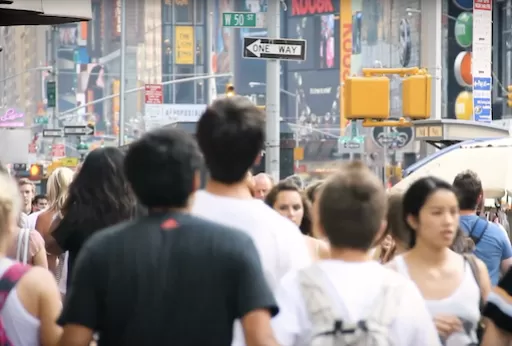
This info-graphic from Good compares subways an rapid transit rail systems from around the world, by track miles and ridership.


"Even though subways are a fuel-efficient way to move people around congested urban areas, Americans make poor use of them, probably because they are poorly funded and often don't travel where we want to go. Right now, of the five most-used subway systems in the country, only New York City's attracts as many riders as the five largest foreign subway systems."
FULL STORY: American Public Transit Lags Behind

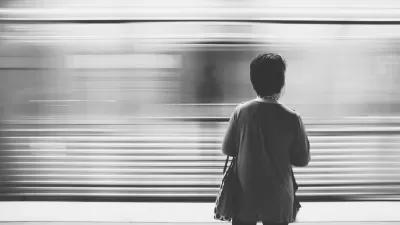
Subway Ridership Still Lagging as Cities Come Back to Life
While other aspects of urban life are starting to recover to pre-pandemic ‘normals,’ ridership on the nation’s subway systems is still well below average levels.
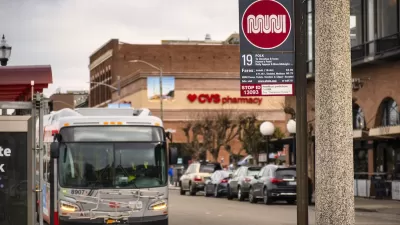
San Francisco Muni Sees Highest Ridership Since Start of Pandemic
The SFMTA is improving service at off-peak hours and on weekends to accommodate new travel patterns that rely less on weekday commuters. Ridership has increased accordingly.
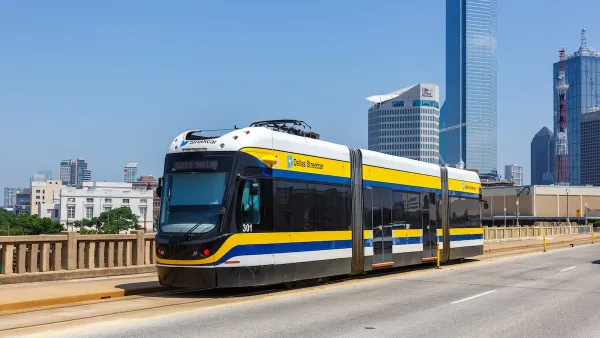
Dallas, Suburbs Clash Over DART Funding
The city voted to ‘fully fund’ its rapid transit system, but northern suburbs are moving to reduce funding.

Planetizen Federal Action Tracker
A weekly monitor of how Trump’s orders and actions are impacting planners and planning in America.
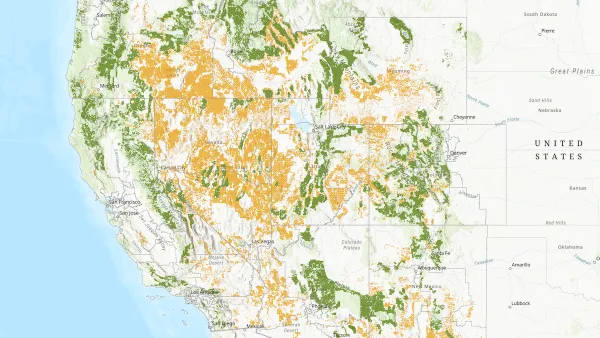
Map: Where Senate Republicans Want to Sell Your Public Lands
For public land advocates, the Senate Republicans’ proposal to sell millions of acres of public land in the West is “the biggest fight of their careers.”
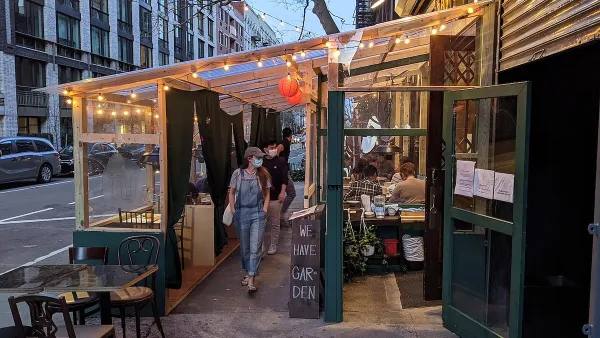
Restaurant Patios Were a Pandemic Win — Why Were They so Hard to Keep?
Social distancing requirements and changes in travel patterns prompted cities to pilot new uses for street and sidewalk space. Then it got complicated.

Platform Pilsner: Vancouver Transit Agency Releases... a Beer?
TransLink will receive a portion of every sale of the four-pack.

Toronto Weighs Cheaper Transit, Parking Hikes for Major Events
Special event rates would take effect during large festivals, sports games and concerts to ‘discourage driving, manage congestion and free up space for transit.”

Berlin to Consider Car-Free Zone Larger Than Manhattan
The area bound by the 22-mile Ringbahn would still allow 12 uses of a private automobile per year per person, and several other exemptions.

Urban Design for Planners 1: Software Tools
This six-course series explores essential urban design concepts using open source software and equips planners with the tools they need to participate fully in the urban design process.
Planning for Universal Design
Learn the tools for implementing Universal Design in planning regulations.

Heyer Gruel & Associates PA
JM Goldson LLC
Custer County Colorado
City of Camden Redevelopment Agency
City of Astoria
Transportation Research & Education Center (TREC) at Portland State University
Camden Redevelopment Agency
City of Claremont
Municipality of Princeton (NJ)