A man who has been leading tours of abandoned underground railroads in New York City is hoping to gain permission to break through a 19th century brick wall below the streets to find a perfectly preserved locomotive from the mid-1800s.


"Thanks to Bob Diamond, the man who rediscovered a 19th-century Atlantic Avenue train tunnel in Downtown Brooklyn, you can scurry down a certain manhole without being hauled away by your ankles by the authorities.
Since his big reveal in 1980, Mr. Diamond, the 49-year-old founder of the Brooklyn Historic Railway Association, has been conducting tunnel tours via the manhole with the blessing of the D.O.T. But of late, Mr. Diamond has been pushing for another potential urban architectural "get."
Behind a wall in the tunnel, near Atlantic Avenue and Hicks Street, he believes, there is a steam locomotive lying on its side like an abandoned toy train, in "pristine condition, a virtual time capsule." And he wants to dig it up."
Read the full story: The Tunnel Rats of Atlantic Avenue

Video Shows Underworld of New York City
A new video features urban explorer Steve Duncan as he adventures in the abandoned subway tunnels beneath New York City.
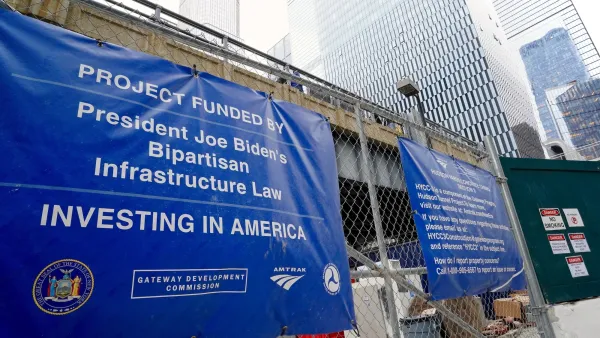
NYC-NJ Gateway Tunnel Project to Stop Work Next Week if DOT Doesn’t Release Funding
The federal government hasn’t released funding frozen during last October’s government shutdown.

Swiss Complete World's Longest, Deepest Tunnel in Record Time
The Gotthard base tunnel under the Swiss Alps is an "engineering tour-de-force" at 57.5 kilometres in length. Its nearest rival is the Seikan Tunnel in Japan, at 53.9 km.

Planetizen Federal Action Tracker
A weekly monitor of how Trump’s orders and actions are impacting planners and planning in America.

Data reveals that NYC’s bet on congestion pricing has paid off
After almost two years of the program, reports show positive impacts on traffic and air quality and no disruptions to parking.

HUD modernizes 50-year-old manufactured housing framework
The Next Generation Manufactured Housing Action Plan establishes new energy-efficiency standards for manufactured homes, and new guidelines for anchoring them.

Chicago city vehicles are on the hunt for illegally-parked cars
Cameras on the vehicles can automatically issue tickets to drivers who park their cars in bus or bike lanes.

Small single-family homes are illegal in most of MA. Voters can change that
Most land zoned for single-family housing in Massachusetts requires at least 40,000 square feet of land per house.

Public steps inside U.S.’s first battery-powered train
Metra’s groundbreaking train feature modern seats and a futuristic battery car.

FREE Course: Walkable City 1: Why Walkability?
After describing his path towards focusing on walkability as the essence of good planning, Jeff Speck marches through his five principal reasons for making more walkable places.
Reinventing Malls: Planning Alchemy—Turning Gray Fields Into Gold
The course focuses on the opportunities and imperatives that shape reinvention of mall sites.

One Hundred Miles
County of Mendocino
planning NEXT
The Architects Foundation
University of Cincinnati Online
Montrose County
Northern Illinois Transit Authority (NITA)
The Pocatello Development Authority