

























Portland's new Westside Express Service officially opens today, carrying passengers from Beaverton to Wilsonville. The Oregonian calls it, "a punch of hard-rolling rust-and-grease."


"I hopped on one of the polished diesel trains last Wednesday for the inaugural ride carrying dignitaries and members of the local news media. After the round trip, I stepped off with mixed feelings about Oregon's first commuter-rail experiment.
Sure, the ride itself was everything that TriMet promised: fast, comfortable, clean and efficient, all with a free, lightning-fast Wi-Fi connection. Yet the experience, built along 14.7 miles of freight tracks in Washington County, seemed out of sync with public transit in our laid-back, mossy part of the world.
In a community used to planning and playing around the polite whisper of light rail, WES is a punch of hard-rolling rust-and-grease commuting that's more Chicago than Tualatin. I also couldn't shake the feeling that the $166 million project has become a shiny distraction from TriMet's nagging problems, ranging from malfunctioning fare machines to obvious bus-service gaps in the suburbs."
FULL STORY: Beaverton to Wilsonville, via Chi-town

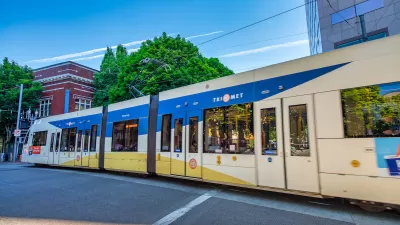
Portland Train Speed Limited by Extreme Heat
When temperatures hit 100 degrees, the city’s two train systems face challenges that force them to slow their speeds or stop operations altogether.

D.C. Leads the Nation for Transit Recovery
Ridership on the region’s rail systems is rebounding faster than other major transit systems.
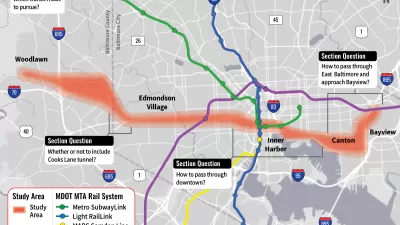
Details Start to Emerge for Revived Baltimore Red Line
The long-awaited east-west transit line is moving forward with support from a new governor, but still has a long road ahead.
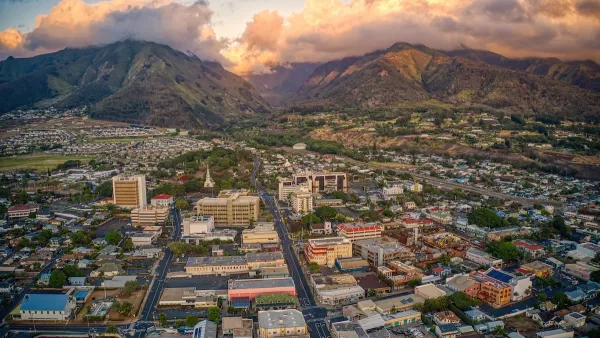
Maui's Vacation Rental Debate Turns Ugly
Verbal attacks, misinformation campaigns and fistfights plague a high-stakes debate to convert thousands of vacation rentals into long-term housing.

Planetizen Federal Action Tracker
A weekly monitor of how Trump’s orders and actions are impacting planners and planning in America.
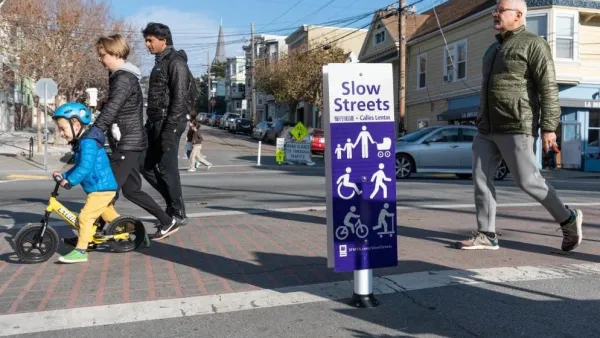
San Francisco Suspends Traffic Calming Amidst Record Deaths
Citing “a challenging fiscal landscape,” the city will cease the program on the heels of 42 traffic deaths, including 24 pedestrians.

Defunct Pittsburgh Power Plant to Become Residential Tower
A decommissioned steam heat plant will be redeveloped into almost 100 affordable housing units.

Trump Prompts Restructuring of Transportation Research Board in “Unprecedented Overreach”
The TRB has eliminated more than half of its committees including those focused on climate, equity, and cities.

Amtrak Rolls Out New Orleans to Alabama “Mardi Gras” Train
The new service will operate morning and evening departures between Mobile and New Orleans.

Urban Design for Planners 1: Software Tools
This six-course series explores essential urban design concepts using open source software and equips planners with the tools they need to participate fully in the urban design process.
Planning for Universal Design
Learn the tools for implementing Universal Design in planning regulations.

Heyer Gruel & Associates PA
JM Goldson LLC
Custer County Colorado
City of Camden Redevelopment Agency
City of Astoria
Transportation Research & Education Center (TREC) at Portland State University
Jefferson Parish Government
Camden Redevelopment Agency
City of Claremont