


















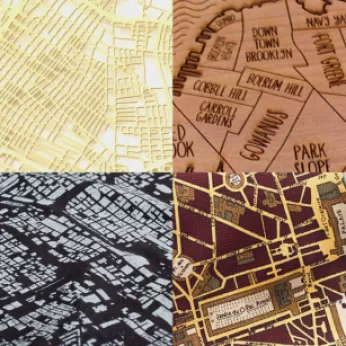


Writer Karrie Jacobs (no relation) tours the rapidly-urbanizing cities of Hong Kong, Shanghai, and Dubai. As development forces small neighborhood cultures out, she can't help but wonder what Jane Jacobs would think.


"For years, I'd wanted to visit Dubai and Shanghai, two cities where architects and developers operate unconstrained by anything except (occasionally) gravity. This year, I finally made it to both. In March, when I was in Dubai, one architect said, "It's like I died and I'm already in heaven." No kidding. I spent most of my time in Dubai visiting the big-ticket projects you've already read about. I went on a boat ride to one of the completed portions of Palm Jumeirah, the first in a cluster of manmade islands shaped into a palm tree, and saw a long, skinny spit of an island lined with rather conventional McMansions, villas in the local parlance. I visited the Burj Dubai showroom and took a simulated elevator ride to a stage-set version of the top of the world's tallest building. But after a few days of nonstop development tourism, I found myself pondering Jane Jacobs. What would she make of all this? The question was harder to answer than it might seem. Clearly, she would hate much of the heedless tower mania. But the real answer would hinge on whether she regarded Dubai's increasingly sophisticated approach to mixed-use place-making as an improvement over the sterile environments churned out by the urban planners of the 1960s."
Thanks to ArchNewsNow
FULL STORY: Boomtown Blues

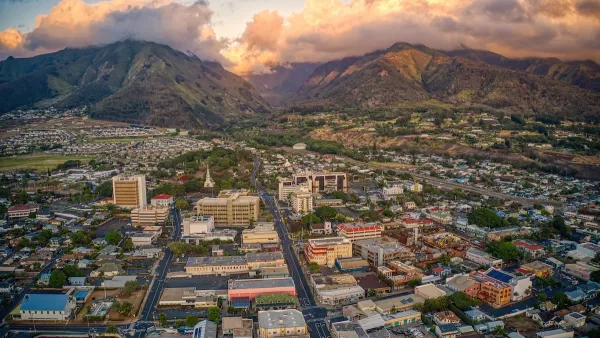
Maui's Vacation Rental Debate Turns Ugly
Verbal attacks, misinformation campaigns and fistfights plague a high-stakes debate to convert thousands of vacation rentals into long-term housing.

Planetizen Federal Action Tracker
A weekly monitor of how Trump’s orders and actions are impacting planners and planning in America.
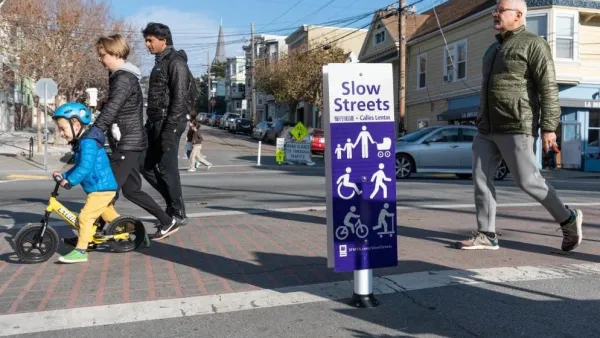
San Francisco Suspends Traffic Calming Amidst Record Deaths
Citing “a challenging fiscal landscape,” the city will cease the program on the heels of 42 traffic deaths, including 24 pedestrians.

Defunct Pittsburgh Power Plant to Become Residential Tower
A decommissioned steam heat plant will be redeveloped into almost 100 affordable housing units.

Trump Prompts Restructuring of Transportation Research Board in “Unprecedented Overreach”
The TRB has eliminated more than half of its committees including those focused on climate, equity, and cities.

Amtrak Rolls Out New Orleans to Alabama “Mardi Gras” Train
The new service will operate morning and evening departures between Mobile and New Orleans.

Urban Design for Planners 1: Software Tools
This six-course series explores essential urban design concepts using open source software and equips planners with the tools they need to participate fully in the urban design process.
Planning for Universal Design
Learn the tools for implementing Universal Design in planning regulations.

Heyer Gruel & Associates PA
JM Goldson LLC
Custer County Colorado
City of Camden Redevelopment Agency
City of Astoria
Transportation Research & Education Center (TREC) at Portland State University
Jefferson Parish Government
Camden Redevelopment Agency
City of Claremont