Oregon Governor Ted Kulongoski has proposed a suite of tax and fee increases to create more than $1 billion for transportation projects in the state. The package will hit the legislature in January.


"The governor proposed about half a dozen tax and fee increases, including a 2-cent gas tax hike, and more than doubling the annual fees for car title and registration. He also would borrow $600 million, raise the tobacco tax by 2 1/2 cents and take $16 million in lottery money to pay for railroad, mass transit and port projects."
"If approved by the Legislature, the package adds up to Oregon's biggest-ever commitment to transportation."
"Oregon falls $1.3 billion short in maintaining state highways to handle the current level of traffic, state officials estimate. That doesn't include all the deferred maintenance on city and county roadways."
"The tax and fee increases will be controversial when lawmakers convene in January, but business groups are pressuring legislators to boost spending on transportation. The 24-cent state gas tax hasn't been raised since 1993, and inflation has cut its buying power in half while Oregon's population has surged."
Read the full story: Kulongoski unveils a $1 billion-plus transportation package
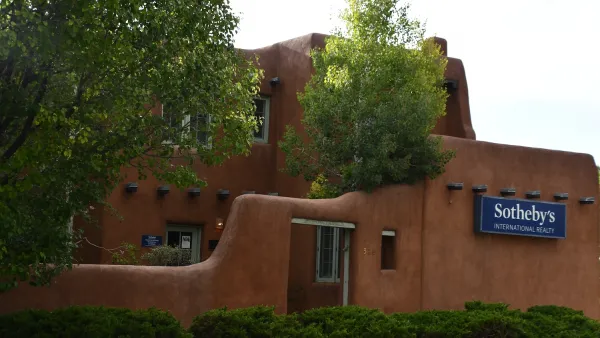
Santa Fe Collects First Payments From Tax on Million-Dollar Homes
The 3% tax on home sales of $1 million or more has elicited a lawsuit and backlash from local realty groups.
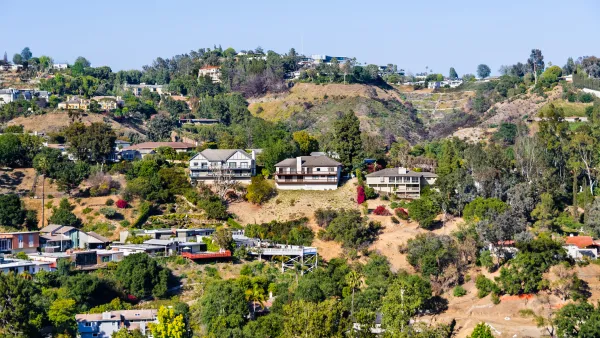
Well Intended Housing Tax Could Wreak Havoc in L.A.
A new transfer tax that intends to fund affordable housing might end up crushing Los Angeles's multifamily market—at exactly the wrong time.

Editorial Sounds Alarms About the 'Illinois Exodus'
The Chicago Tribune sends a message to the political leadership of Illinois and Chicago about population decline, and its causes.

Planetizen Federal Action Tracker
A weekly monitor of how Trump’s orders and actions are impacting planners and planning in America.

Eastern Nebraska is running out of electricity
Data centers and electrification are straining eastern Nebraska’s grid, throttling economic development.

Study reveals best places in the U.S. for cycling, walking
New research from Streetlight Data examines bicycle and pedestrian miles per capita in the 100 largest U.S. cities by population.

Chicago cuts ribbon on $300,000, self-cleaning public toilet
The public toilet is the city’s first, and may pave the way for a rollout of similar facilities.

Sharp cuts to Oregon public transit, rail on the horizon without additional funding
Transportation workgroup has until Dec. 15 to send its report to Gov. Tina Kotek

Why does it take an emergency for the U.S. to expedite infrastructure projects?
In June 2023, Philadelphia repaired a melted interstate in 12 days thanks to an emergency order.

FREE Course: Walkable City 1: Why Walkability?
After describing his path towards focusing on walkability as the essence of good planning, Jeff Speck marches through his five principal reasons for making more walkable places.
Reinventing Malls: Planning Alchemy—Turning Gray Fields Into Gold
The course focuses on the opportunities and imperatives that shape reinvention of mall sites.

City of Charlotte
City of Rosemead
Rutgers University, Edward J. Bloustein School of Planning and Public Policy
University of Michigan School for Environment and Sustainability (SEAS)
Hunter College, City University of New York (CUNY)
The Architects Foundation
City of Cambridge
The Pocatello Development Authority
The Urban Renewal Agency of the City of Pocatello