Paradoxically, Chicago's roads are more gridlocked than ever despite fewer trips by car overall due to gas prices.


"How can that be in light of the reduction in miles driven? A combination of factors.
Roadways were already so badly saturated with traffic before the recent spikes in fuel prices that the decline in miles traveled hasn't significantly loosened the gridlock.
In addition, major construction projects, temporarily shutting down lanes on the Edens Expressway, the Stevenson Expressway and the Tri-State Tollway have effectively canceled out the gains from many vehicles being driven less.
For an average of 13 hours and 19 minutes each day, vehicle speeds are less than 50 m.p.h. on at least 20 percent of the Chicago-area highway system, according to the Urban Congestion Report compiled by the Federal Highway Administration."
Read the full story: We drive less, but roads are still full, Chicago-area study says

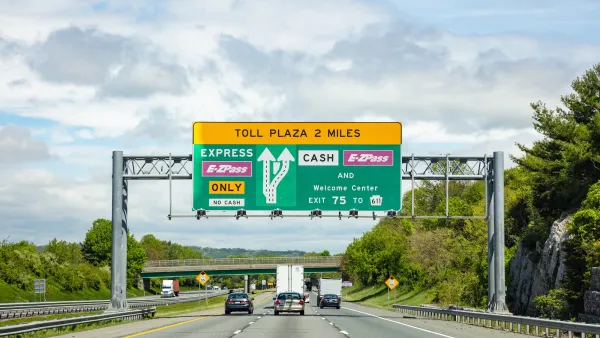
What do We Want, Speed or Affordability?
Conventional planning assumes that travellers want to save time, but evidence indicates that they usually prefer to save money. How can planning better reflect these preferences?
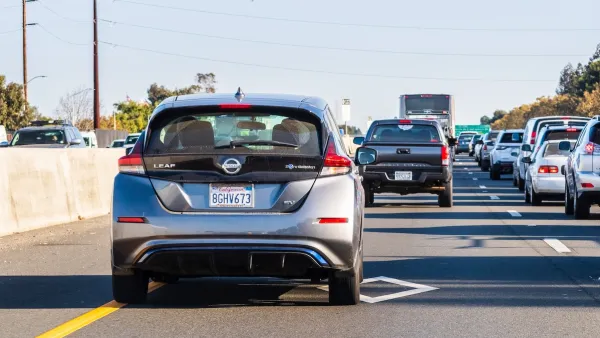
When Carpool Lanes Cause Mayhem
A newly widened Bay Area freeway serves as a reminder of the futility of HOV lanes. There are better ways to manage and mitigate traffic.

Conservatives’ Decongestion Pricing Flip-Flop
When it comes to solving traffic problems, the current federal administration is on track for failure, waste, and hypocrisy.

Planetizen Federal Action Tracker
A weekly monitor of how Trump’s orders and actions are impacting planners and planning in America.

Colorado’s Largest Data Center Could Rise Next to Homes — Without a Public Hearing
The proposed campus would consume 11 times the power of Denver International Airport; as it has across the country, opposition mounts.

US to reduce Colorado River water deliveries to Mexico
A new Colorado Treaty amendment reduces Mexico’s Colorado River water allocation by 250,000 acre feet.

'This is going to be painful:’ Virginia stares down $1.7 billion funding gap for highway maintenance
The state may address the deficit by shifting $290 million from its construction budget to maintenance projects.
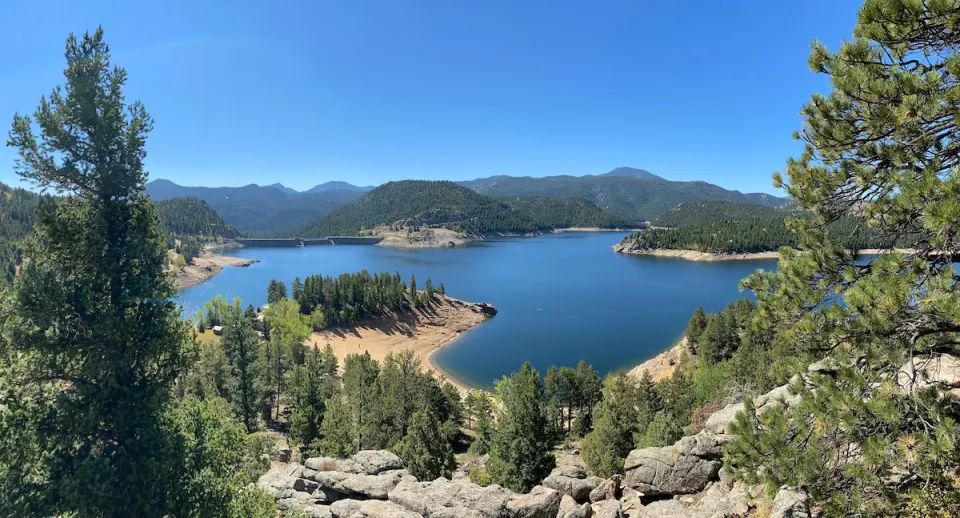
Judges permit Denver to divert 77,000 acre feet from the Colorado River for reservoir expansion
Overuse and climate change have caused the Colorado River’s water levels to plummet.
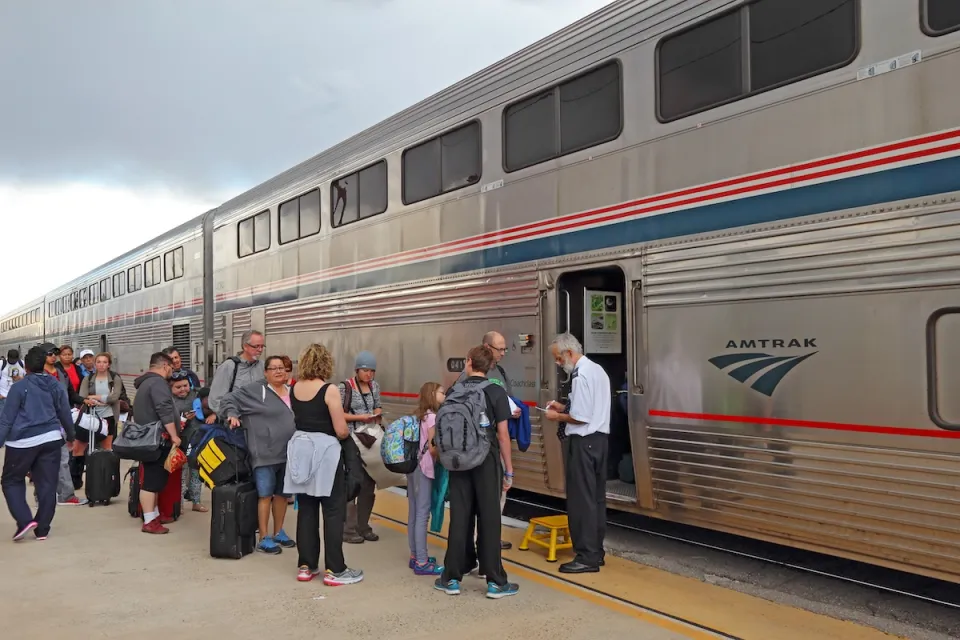
Amtrak, CN end decades-long dispute with eight-year agreement
The new operating agreement establishes an updated framework for the companies to work together, including processes to resolve disputes.

FREE Course: Walkable City 1: Why Walkability?
After describing his path towards focusing on walkability as the essence of good planning, Jeff Speck marches through his five principal reasons for making more walkable places.
Reinventing Malls: Planning Alchemy—Turning Gray Fields Into Gold
The course focuses on the opportunities and imperatives that shape reinvention of mall sites.

KFH Group Inc.
Greater Baltimore Committee
Eagle County Government
The Architects Foundation
University of Cincinnati Online
The Pocatello Development Authority
The Urban Renewal Agency of the City of Pocatello