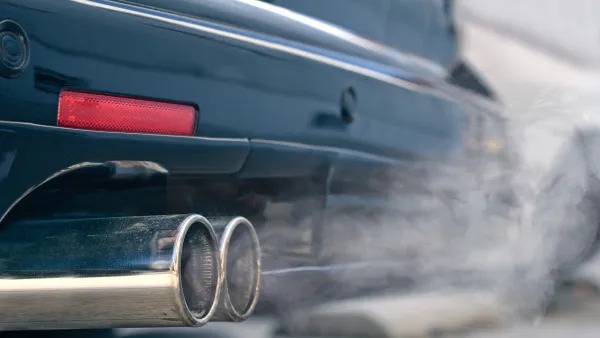
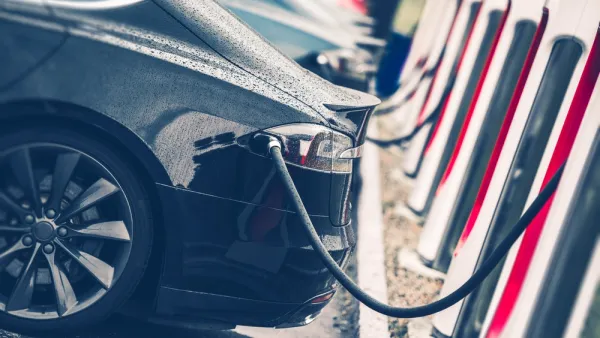
GM will soon unveil its SUV of the future – the 'plug-in' hybrid known as the Volt. Mitsubishi's new mini, all-electric car will soon go to market in Japan. The days of the gas-powered car are numbered- or are they?


"With all the glitzy ads, media chatter and Internet buzz about plug-in hybrids that draw power from the electric grid or cars fueled with hydrogen, it's easy to get lulled into thinking that gasoline stations soon will be as rare as drive-in theaters. The idea that auto makers can quickly execute a revolutionary transition from oil to electricity is now a touchstone for both major presidential candidates.
Ditching the internal-combustion engine could mean ditching the way of life that goes with it, and returning to an era in which more travel revolves around train and bus schedules, and more people live in smaller homes in dense urban neighborhoods.
That's the dream. Now the reality: This revolution will take years to pull off -- and that's assuming it isn't derailed by a return to cheap oil. Anyone who goes to sleep today and wakes up in five years will find that most cars for sale in the U.S. will still run on regular gas -- with a few more than today taking diesel fuel."
Thanks to Robert Piper
Read the full story: Why the gasoline engine isn't going away any time soon

Hanoi to Ban Gas-Powered Two-Wheelers, Later Cars
City officials hope that electrifying motorcycles, a ‘lifeblood’ of Vietnamese transportation, will have a positive impact on air quality and noise in the city’s downtown.
Colorado Launches ‘Cash-for-Clunkers’ Program
Colorado residents can get $6,000 in extra rebates if they trade in their old gas-powered vehicle for an electric vehicle. Rebates are expected to go quickly.
Virginia Ties Clean Car Standards to California
The last obstacle to a 2021 bill linking Virginia’s emissions standards to California policy was defeated on a party-line vote in the state’s legislature, paving the way for a shift to electric vehicles.

Desperate measures: Advocates weigh draining Lake Powell to fill Colorado River
Draining the reservoir could reduce evaporation losses by a couple hundred thousand acre-feet.

Eastern Nebraska is running out of electricity
Data centers and electrification are straining eastern Nebraska’s grid, throttling economic development.

Malls are becoming the midtowns of the future
Mall and office park redevelopments are a generational opportunity to create new nodes of urbanity.

NYC breaks ground on anti-flooding infrastructure project
New York City's new system will reduce stormwater flows to local sewers by 90%.

One Kentucky town’s secret to affordable housing
The Smoketown Community Land Trust has already built seven affordable homes for community members.

Houston gains petal-shaped cooling infrastructure to make streets more ‘delightful’
The city has installed the pavilions along 15 blocks in Houston.

FREE Course: Walkable City 1: Why Walkability?
After describing his path towards focusing on walkability as the essence of good planning, Jeff Speck marches through his five principal reasons for making more walkable places.
Reinventing Malls: Planning Alchemy—Turning Gray Fields Into Gold
The course focuses on the opportunities and imperatives that shape reinvention of mall sites.

City of Rosemead
Rutgers University, Edward J. Bloustein School of Planning and Public Policy
One Hundred Miles
University of Michigan School for Environment and Sustainability (SEAS)
Hunter College, City University of New York (CUNY)
The Architects Foundation
City of Cambridge
Montrose County
The Pocatello Development Authority