






















The City of Miami is pushing a new 'mega-plan' that rolls a stadium, tunnel, public park, trolley system, and bailout into one $3 billion dollar deal. Miamians, including local car dealer Norman Braman, are pushing back.


"Stadiums, tunnels, symphony halls – they're all in the arsenal of the modern city planner.
But with Americans increasingly suspicious of large-scale giveaways to corporations and sports teams – especially in a city like Miami, where one stadium built at taxpayer expense currently stands empty – civic leaders are looking for new mechanisms to get bulldozers moving. "Bundling" projects for political expediency is becoming more common for cities trying to build favorable buzz, experts say.
'Folks supportive of the park may not be supportive of the tunnel or the baseball stadium, but this is a way to sort of build consensus ... to get these kinds of large projects approved," says Frank Nero, president of the Beacon Council, a Miami business group. "The governmental entities that did this should be commended for being creative.'
For his part, Braman calls the joint city-county plan a 'shell game' that pits struggling blue-collar Miami against the city's wealthy subsets that make it the Monaco of Alligator Country. One online commentator ripped into the plan as a 'tyrannical monstrosity.'
Miamians have good reason to be suspicious, says Michael Lewis, editor of Miami Today.
'They threw everything they could think of into this thing to see what sticks,' says Mr. Lewis. 'Everyone holds their nose and votes for a package. It's a little like bundling bad mortgages together and selling them. Sound familiar?'"
FULL STORY: Miami wrestles with urban scheme

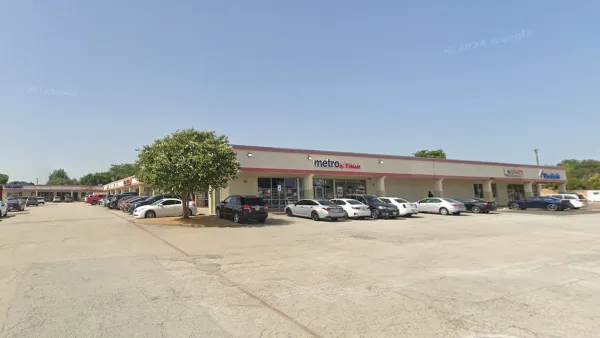
Adaptive Reuse Will Create Housing in a Suburban Texas Strip Mall
A developer is reimagining a strip mall property as a mixed-use complex with housing and retail.

Office Conversions Have Increased Every Year This Decade
Since the pandemic, office vacancy rates remain high, leading many cities to adjust zoning codes to accommodate adaptive reuse.
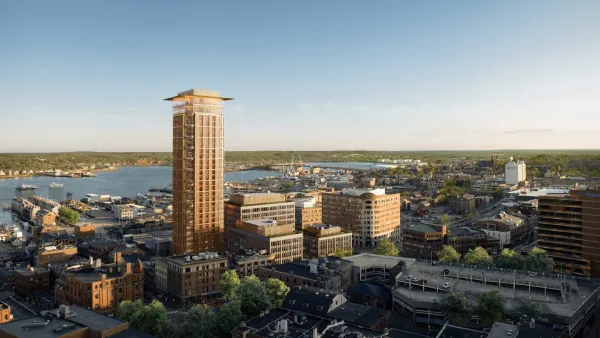
Downtown Portland Ready for Maine's Tallest Building
The city of Portland anticipates a major new urban development addition called the “Old Port Square” project.

Planetizen Federal Action Tracker
A weekly monitor of how Trump’s orders and actions are impacting planners and planning in America.
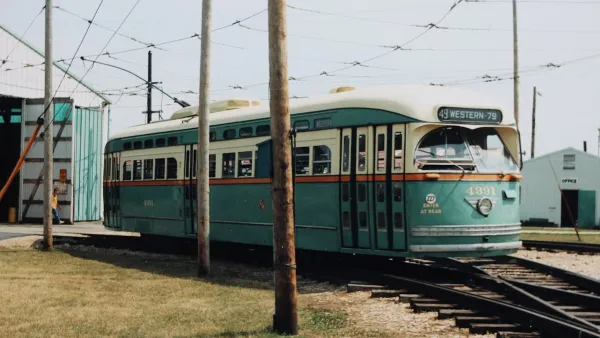
Chicago’s Ghost Rails
Just beneath the surface of the modern city lie the remnants of its expansive early 20th-century streetcar system.
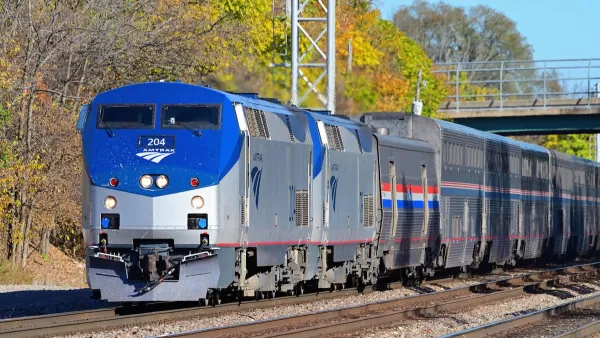
Amtrak Cutting Jobs, Funding to High-Speed Rail
The agency plans to cut 10 percent of its workforce and has confirmed it will not fund new high-speed rail projects.

Ohio Forces Data Centers to Prepay for Power
Utilities are calling on states to hold data center operators responsible for new energy demands to prevent leaving consumers on the hook for their bills.

MARTA CEO Steps Down Amid Citizenship Concerns
MARTA’s board announced Thursday that its chief, who is from Canada, is resigning due to questions about his immigration status.

Silicon Valley ‘Bike Superhighway’ Awarded $14M State Grant
A Caltrans grant brings the 10-mile Central Bikeway project connecting Santa Clara and East San Jose closer to fruition.

Urban Design for Planners 1: Software Tools
This six-course series explores essential urban design concepts using open source software and equips planners with the tools they need to participate fully in the urban design process.
Planning for Universal Design
Learn the tools for implementing Universal Design in planning regulations.

Caltrans
City of Fort Worth
Mpact (founded as Rail~Volution)
City of Camden Redevelopment Agency
City of Astoria
City of Portland
City of Laramie