As part of a plan to utilize the city's rainwater and recycle it back to lake Michigan, Chicago has been renovating its 13,00 alleys to become permeable surfaces, where rainwater can soak back into the ground. 40 alleys have been redone so far.


"Chicago's 13,000 alleys, which allow rear access to buildings, date back to the 1800s. The 1,900 miles of back alleys ease access for garbage collection, loading and parking."
"They also make up about 3,500 acres of impermeable surface, which has created a big problem."
"Many of the alleys were built without connections to storm sewers. Rainwater puddles on the pavement and can run into buildings, sometimes flooding basements."
"The extreme alley makeover started with the pavement. The alleys are being resurfaced with concrete, asphalt or paving stones that are permeable -- that is, water runs through them like a sieve to the dirt beneath."
"Microbes that thrive on stuff like fertilizer and oil are seeded into the pavement or migrate there naturally. They cleanse the water of pollutants from cars and lawns. The cleaner water makes its way into the groundwater, called an aquifer, and then flows into Lake Michigan."
Read the full story: Chicago's back alleys filter rainwater for Lake Michigan

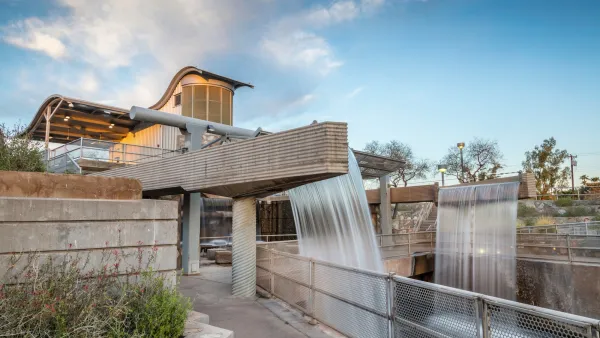
Arizona prepares to tap into emergency water supply as it braces for Colorado River cuts
The Salt River Project has been collecting nearly 4 million acre-feet of water since the mid-1990s.
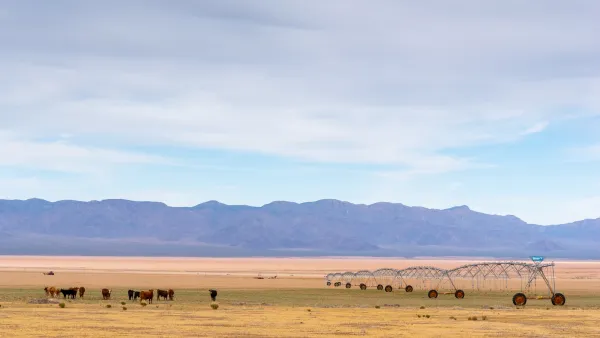
Arizona Tightens Groundwater Restrictions to Rein in Agribusinesses
The state is creating an ‘active management area’ in the western part of the state, where agribusinesses including a Saudi alfalfa exporter have practically free rein over water supplies.
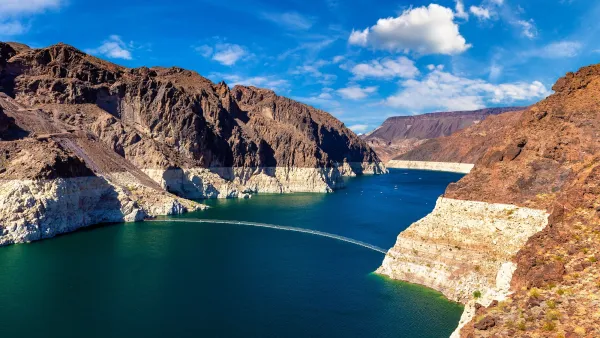
Deadline Nears for Colorado River Water Sharing Agreement
Water officials from the seven Colorado River Basin states are still at odds over how to manage dwindling water resources as current regulations are set to expire in February.

Planetizen Federal Action Tracker
A weekly monitor of how Trump’s orders and actions are impacting planners and planning in America.

Amtrak, CN end decades-long dispute with eight-year agreement
The new operating agreement establishes an updated framework for the companies to work together, including processes to resolve disputes.

Judges permit Denver to divert 77,000 acre feet from the Colorado River for reservoir expansion
Overuse and climate change have caused the Colorado River’s water levels to plummet.

Atlanta City Council unanimously backs $3.5 billion Beltline light rail project
The resolution was drafted after Atlanta Mayor Andre Dickens pulled support for the Atlanta Streetcar extension last year.

SEPTA to bring nearby frequent transit to over 1 million new riders as part of decade-long plan
The agency's Accelerate plan will also bring frequent transit to twice the amount of jobs that are currently located near it.

NYC plants over 18,000 trees, the most new foliage in a decade
Many of the trees were planted in communities vulnerable to extreme heat.

FREE Course: Walkable City 1: Why Walkability?
After describing his path towards focusing on walkability as the essence of good planning, Jeff Speck marches through his five principal reasons for making more walkable places.
Reinventing Malls: Planning Alchemy—Turning Gray Fields Into Gold
The course focuses on the opportunities and imperatives that shape reinvention of mall sites.

City of Thousand Oaks
City of Wisconsin Rapids
Harvard University Graduate School of Design
The Architects Foundation
University of Cincinnati Online
The Pocatello Development Authority
The Urban Renewal Agency of the City of Pocatello