


























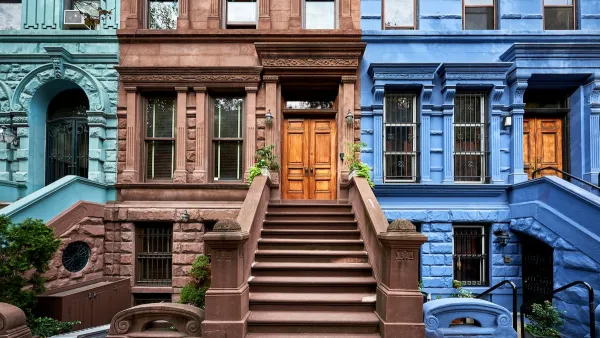
Older districts are often marked by high property values and traditional architecture, but it's not just aesthetics and history that define them. Some historic neighborhoods have gone through vast changes, while others don't appear "historic" at all.


"America's historic neighborhoods often keep their value better compared to newer neighborhoods. But this is no universal rule, and not every old neighborhood is immediately identifiable by its charm or architecture.
While Society Hill in Philadelphia has the city's most stable real estate and New Orleans' French Quarter has the city's most expensive homes, San Francisco's Mission District is neither the city's highest value nor most stable, and Pioneer Square in Seattle has undergone extensive changes in the last 30 years.
In New York, the earliest settled neighborhood turned into the Financial District, where no one lived until just recently - challenging the image of historic neighborhoods as quaint and traditional.
Historic neighborhoods that have been cut off from cities by highways are now experiencing some reintegration into the urban fabric. Boston's Big Dig, for example, has reconnected the North End, causing one neighborhood's value to increase by 345 percent compared to 1990."
FULL STORY: America's Oldest Neighborhoods

The Trouble With QUIMBY
The idea of “quality urbanism in my back yard” has its uses, but should not be used to limit housing supply.

Avoiding Misplacement of a Place
To balance the interests of current residents and economic well-being, does a city's signature identity need an update?
Retrofitting Old Cities for Sustainability
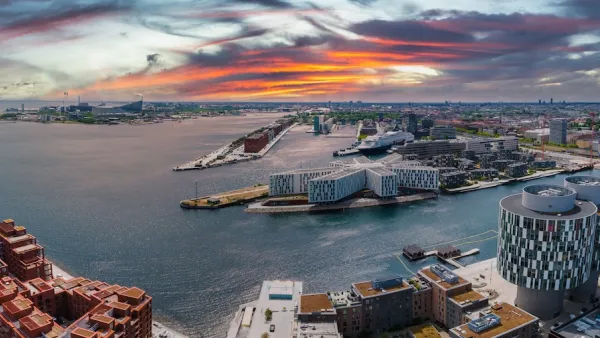
Explore strategies for retrofitting old cities to enhance sustainability while preserving historical integrity and managing logistical challenges.

Planetizen Federal Action Tracker
A weekly monitor of how Trump’s orders and actions are impacting planners and planning in America.
Chicago’s Ghost Rails
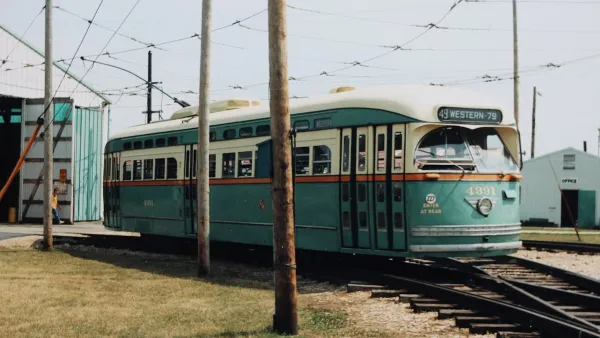
Just beneath the surface of the modern city lie the remnants of its expansive early 20th-century streetcar system.

Amtrak Cutting Jobs, Funding to High-Speed Rail
The agency plans to cut 10 percent of its workforce and has confirmed it will not fund new high-speed rail projects.

Ohio Forces Data Centers to Prepay for Power
Utilities are calling on states to hold data center operators responsible for new energy demands to prevent leaving consumers on the hook for their bills.

MARTA CEO Steps Down Amid Citizenship Concerns
MARTA’s board announced Thursday that its chief, who is from Canada, is resigning due to questions about his immigration status.

Silicon Valley ‘Bike Superhighway’ Awarded $14M State Grant
A Caltrans grant brings the 10-mile Central Bikeway project connecting Santa Clara and East San Jose closer to fruition.

Urban Design for Planners 1: Software Tools
This six-course series explores essential urban design concepts using open source software and equips planners with the tools they need to participate fully in the urban design process.
Planning for Universal Design
Learn the tools for implementing Universal Design in planning regulations.

Caltrans
City of Fort Worth
Mpact (founded as Rail~Volution)
City of Camden Redevelopment Agency
City of Astoria
City of Portland
City of Laramie