





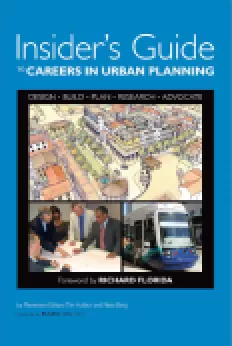













Lastmonth’s blog outlined how to find books recommended by many planners—important,classic, or accessible. However,summer is also a time to push your viewpoint a bit further. For those wantingreadings that might push you tothink differently about planning, the following lists are useful startingpoints. (And a note to planners—we need more of these lists reflecting different placesand people and issues!)



Lastmonth's blog outlined how to find books recommended by many planners-important,classic, or accessible.
However,summer is also a time to push your viewpoint a bit further. For those wantingreadings that might push you tothink differently about planning, the following lists are useful startingpoints. (And a note to planners-we need more of these lists reflecting different placesand people and issues!)
- Interested in good books from academic planning authors, then go to the Association of Collegiate Schools of Planning. ACSP gives the Davidoff award roughly every two years. The winners used to be listed at the bottom of the nomination page but were unfortunately dropped in their new web site (updated 2010) and include some favorites like Lisa Peattie's Planning: Rethinking Ciudad Guayana and Peter Marris' Meaning and Action.
- Michigan's planning program creates a summer reading list for students that goes beyond the classics: http://taubmancollege.umich.edu/planning/students/recommended_reading/ (Updated 2010). These books can supplement the MIT courseware readings, and the Planners Network Disorientation Guide, in my earlier post. (For the guide go to http://www.plannersnetwork.org/publications/disorientation.html, download the guide, and go to pages 13-15.)
- Smart Growth Online provides a lengthy book list complete with capsule reviews and dealing with topics from affordable housing to green infrastructure at http://www.smartgrowth.org/library/bytype.asp?typ=14 The New England chapter of the Congress for the new Urbanism has a similar but shorter list at http://www.cnunewengland.org/Resources/reading_list.htm
- More internationally, while United Nations publications aren't noted for their gripping character, there are important exceptions. The UN Habitat publications released in conjunction with Eathscan receive good reviews from my undergraduate students. They see them as well illustrated, accessible, informative, and "balanced" in terms of covering a range of topics, views, and geographies, see http://www.earthscan.co.uk/?tabid=37&st=basic&se=habitat. However, various UN agencies also provide free books including the Department of Economic and Social Affairs' highly illustrated Trends in Sustainable Development 2008-2009 at http://www.un.org/esa/sustdev/publications/trends2008/
- If you are tired of actually reading about planning try watching Hans Rosling's terrific 2006 lecture on global poverty and health statistics: http://www.ted.com/index.php/talks/hans_rosling_shows_the_best_stats_you_ve_ever_seen.html (25 mins). You can do this by yourself-and explore his data including variables on urbanization--by downloading the flash animation from Rosling's web site (http://www.gapminder.org/).
Andonce you have spent some days investigating these statistics you might try thislist of the 100 favorite mysteries of the 20th century from the IndependentMystery Booksellers Association at http://www.mysterybooksellers.com/favorites.html#favorites.I am personally testing out a number on this list this summer.


Planetizen’s Top Urban Planning Books of 2024
Top of mind in 2024 were the far-reaching impacts of climate displacement, zoning as a solution to the housing crisis, and the potential for safer roads and better public transit in American cities.

Seoul’s Urban Parks Blossom with Books
The Reading in Seoul Garden event invited residents to enjoy free reading and relaxation activities, including digital and live programs, in scenic parks, fostering a sense of community amid the city’s autumn landscapes.

Planetizen’s Top Planning Books of 2023
The world is changing, and planning with it.

Maui's Vacation Rental Debate Turns Ugly
Verbal attacks, misinformation campaigns and fistfights plague a high-stakes debate to convert thousands of vacation rentals into long-term housing.
Planetizen Federal Action Tracker
A weekly monitor of how Trump’s orders and actions are impacting planners and planning in America.
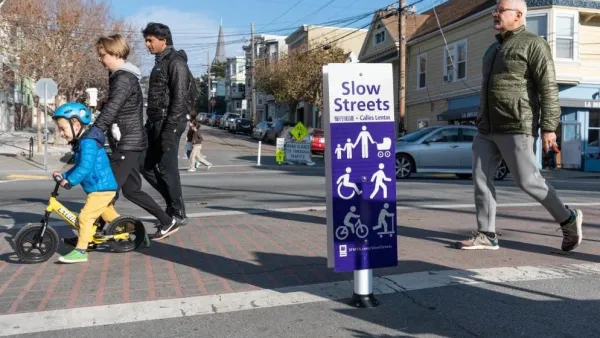
San Francisco Suspends Traffic Calming Amidst Record Deaths
Citing “a challenging fiscal landscape,” the city will cease the program on the heels of 42 traffic deaths, including 24 pedestrians.

Defunct Pittsburgh Power Plant to Become Residential Tower
A decommissioned steam heat plant will be redeveloped into almost 100 affordable housing units.

Trump Prompts Restructuring of Transportation Research Board in “Unprecedented Overreach”
The TRB has eliminated more than half of its committees including those focused on climate, equity, and cities.

Amtrak Rolls Out New Orleans to Alabama “Mardi Gras” Train
The new service will operate morning and evening departures between Mobile and New Orleans.

Urban Design for Planners 1: Software Tools
This six-course series explores essential urban design concepts using open source software and equips planners with the tools they need to participate fully in the urban design process.
Planning for Universal Design
Learn the tools for implementing Universal Design in planning regulations.

Heyer Gruel & Associates PA
JM Goldson LLC
Custer County Colorado
City of Camden Redevelopment Agency
City of Astoria
Transportation Research & Education Center (TREC) at Portland State University
Jefferson Parish Government
Camden Redevelopment Agency
City of Claremont