Homebuilders have been removed from the language of a transportation funding bill that would have required developers to pay for new roads.


"The deal, outlined in a letter obtained by Capitol Media Services, resulted in the recrafting of the $42.6 billion transit improvement initiative shortly before it was filed Tuesday to remove a provision to raise at least some of the money from fees on new developments - fees that would be added to the cost of new homes."
"Instead the final version of the initiative - the one being circulated for signatures - calls for the entire costs of new highways, widened roads and mass transit projects to be paid for with a 1-cent increase in the state sales tax, an increase of 18 percent from the current 5.6 cent state levy."
"With the development fees gone, Connie Wilhelm, president of the Home Builders Association of Central Arizona, promised to provide $100,000 up front to help gather the more than 153,000 signatures that transit-tax backers need by July 3 to put the measure on the November ballot."
Read the full story: Governor drops builders from tax plan
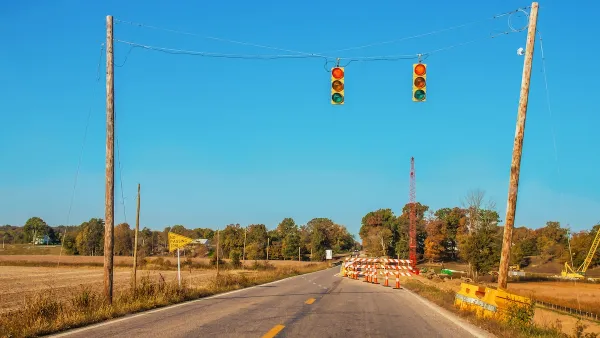
Report: Some Rural States Ahead of More Urbanized Ones in Reducing Transportation Emissions
This is a largely unintended consequence of states with lower populations and resources focusing on repairing existing roads and infrastructure rather than expanding and building new roads.
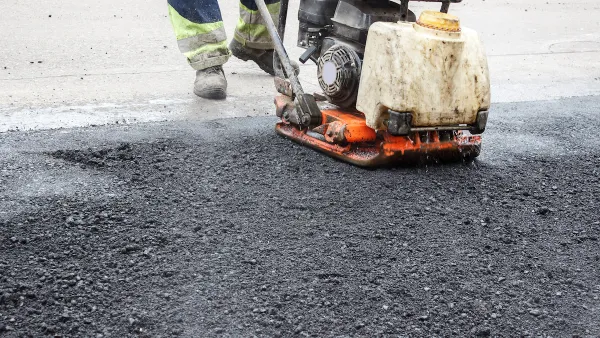
State Transportation Leaders Call for Maintenance Over New Projects
Experts suggest departments facing budget gaps should prioritize basic repairs and maintenance over road-building and highway expansion projects.
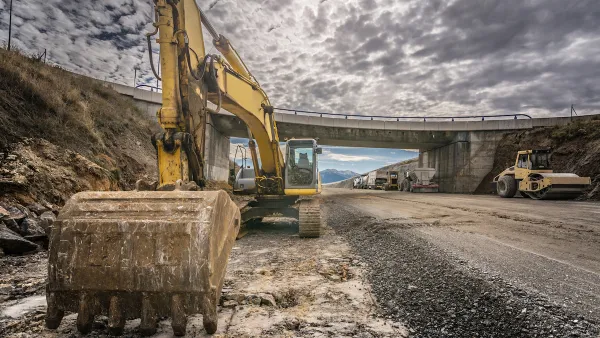
The Nation’s Most Wasteful Highway Projects
The 2023 Highway Boondoggles report is here.

Planetizen Federal Action Tracker
A weekly monitor of how Trump’s orders and actions are impacting planners and planning in America.

Eastern Nebraska is running out of electricity
Data centers and electrification are straining eastern Nebraska’s grid, throttling economic development.

Study reveals best places in the U.S. for cycling, walking
New research from Streetlight Data examines bicycle and pedestrian miles per capita in the 100 largest U.S. cities by population.

DSA members accuse Mamdani of 'abandoning values' over housing redevelopment
New York City's mayor plans to replace about 2,000 units of public housing with private, mixed-income housing.

All sides of BRT debate unhappy with CDOT’s most recent move
The Colorado Department of Transportation is no longer considering center-running bus lanes for Colorado Boulevard.

Massachusetts bogs generate both power, and cranberries
Putting solar panels above farmland is one way Massachusetts is advancing toward its goal of net-zero carbon emissions by 2050.

FREE Course: Walkable City 1: Why Walkability?
After describing his path towards focusing on walkability as the essence of good planning, Jeff Speck marches through his five principal reasons for making more walkable places.
Reinventing Malls: Planning Alchemy—Turning Gray Fields Into Gold
The course focuses on the opportunities and imperatives that shape reinvention of mall sites.

City of Rosemead
Rutgers University, Edward J. Bloustein School of Planning and Public Policy
One Hundred Miles
University of Michigan School for Environment and Sustainability (SEAS)
Hunter College, City University of New York (CUNY)
The Architects Foundation
City of Cambridge
The Pocatello Development Authority
The Urban Renewal Agency of the City of Pocatello