



















Public transit systems must be closely linked with new development and projections of growth for communities to sustain themselves in a changing environment, according to this op-ed.


"In the fight against greenhouse gases, most of the regulatory attention continues to focus on smokestacks and other 'point' sources in the industrial sector. Government officials often feel helpless to address the portion of emissions that comes from the growing number of car and truck trips."
"In New Jersey, this is a serious problem, since transportation accounts for the largest source of carbon dioxide emissions: Almost 40 percent of greenhouse gases come from cars, trucks and other vehicles, while industry is responsible for 16 percent of emissions, according to the state Department of Environmental Protection."
"Hybrid cars, high-occupancy vehicle lanes, and more-stringent tailpipe emission standards can help, but much more needs to be done. We must plan for increased use of transit by creating places that encourage more zero-car and one-car households and dramatically reduce the number and length of vehicle trips taken by everyone else."
Thanks to Streetsblog
FULL STORY: We must link growth to public transit


Planetizen Federal Action Tracker
A weekly monitor of how Trump’s orders and actions are impacting planners and planning in America.
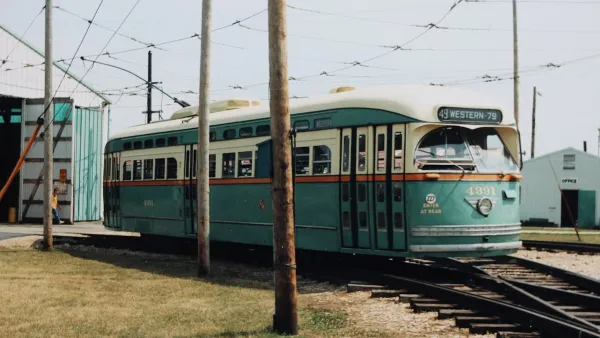
Chicago’s Ghost Rails
Just beneath the surface of the modern city lie the remnants of its expansive early 20th-century streetcar system.
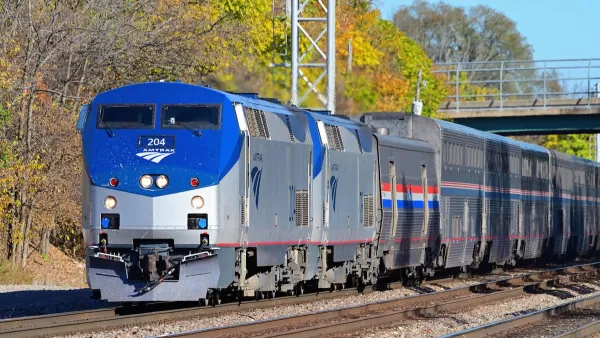
Amtrak Cutting Jobs, Funding to High-Speed Rail
The agency plans to cut 10 percent of its workforce and has confirmed it will not fund new high-speed rail projects.

Ohio Forces Data Centers to Prepay for Power
Utilities are calling on states to hold data center operators responsible for new energy demands to prevent leaving consumers on the hook for their bills.

MARTA CEO Steps Down Amid Citizenship Concerns
MARTA’s board announced Thursday that its chief, who is from Canada, is resigning due to questions about his immigration status.

Silicon Valley ‘Bike Superhighway’ Awarded $14M State Grant
A Caltrans grant brings the 10-mile Central Bikeway project connecting Santa Clara and East San Jose closer to fruition.

Urban Design for Planners 1: Software Tools
This six-course series explores essential urban design concepts using open source software and equips planners with the tools they need to participate fully in the urban design process.
Planning for Universal Design
Learn the tools for implementing Universal Design in planning regulations.

Caltrans
City of Fort Worth
Mpact (founded as Rail~Volution)
City of Camden Redevelopment Agency
City of Astoria
City of Portland
City of Laramie