






















Transportation problems and needed improvements are expected to cost the state of Oregon billions in the next 20 years. A new report is also estimating costs of nearly $2 billion a year in lost productivity due to the transportation problems.


"The Oregon Department of Transportation recently identified $9.3 billion in needed highway improvements, including $1 billion as state government's share of a new Interstate 5 bridge between Portland and Vancouver, Wash."
"The 36 counties say they need an additional $433 million a year for their roads. It would cost $325 million to repair Portland's approximately 600-mile street maintenance backlog."
"The study is an expansion of one released last December that focused on the local area titled 'The Cost of Congestion to the Economy of the Portland Region.'"
"It found that without increased spending on transportation projects, congestion and related problems will cost the local economy $844 million a year by 2025, including lost worker productivity, higher transportation costs and lost business earnings."
FULL STORY: Traffic poses threat to jobs


Maui's Vacation Rental Debate Turns Ugly
Verbal attacks, misinformation campaigns and fistfights plague a high-stakes debate to convert thousands of vacation rentals into long-term housing.

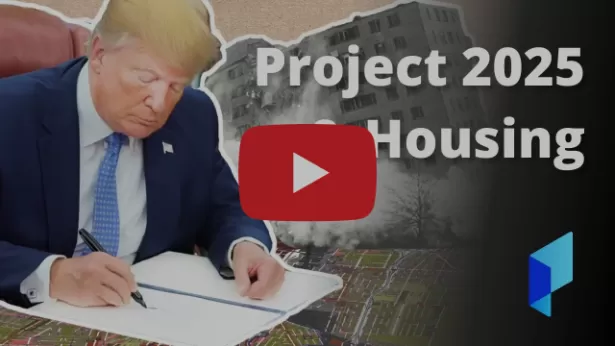
Planetizen Federal Action Tracker
A weekly monitor of how Trump’s orders and actions are impacting planners and planning in America.
In Urban Planning, AI Prompting Could be the New Design Thinking
Creativity has long been key to great urban design. What if we see AI as our new creative partner?

King County Supportive Housing Program Offers Hope for Unhoused Residents
The county is taking a ‘Housing First’ approach that prioritizes getting people into housing, then offering wraparound supportive services.

Researchers Use AI to Get Clearer Picture of US Housing
Analysts are using artificial intelligence to supercharge their research by allowing them to comb through data faster. Though these AI tools can be error prone, they save time and housing researchers are optimistic about the future.

Making Shared Micromobility More Inclusive
Cities and shared mobility system operators can do more to include people with disabilities in planning and operations, per a new report.

Urban Design for Planners 1: Software Tools
This six-course series explores essential urban design concepts using open source software and equips planners with the tools they need to participate fully in the urban design process.
Planning for Universal Design
Learn the tools for implementing Universal Design in planning regulations.

planning NEXT
Appalachian Highlands Housing Partners
Mpact (founded as Rail~Volution)
City of Camden Redevelopment Agency
City of Astoria
City of Portland
City of Laramie