


















The ambitious park and transit plan for the city shows promise, but will low-income residents be left behind, as has been the case with similar city planning projects?


"The city of Atlanta is embarking on one of the most massive redevelopment initiatives in its history: the BeltLine, an ambitious project to transform a mostly unused railroad into a 22-mile, in-town loop of parks, trails, and transit. The plan will increase overall parklands by over 1,200 acres (this, in a city that has significantly less green space than others of similar size around the country) while adding walking trails and bike paths and improving public transportation into the urban core.
On the surface, the BeltLine sounds like a great project, and it could be one. But, although the proposal promises an unprecedented amount of affordable housing units, questions like, 'what is affordable?' and 'affordable for whom?' have been sidelined in the public debate. Meanwhile, the project also includes plans to develop an abundance of upscale housing in Atlanta's inner city, likewise raising many questions about the likely effect on poor and moderate-income neighborhoods. Thus far, the plan's backers have failed to take these questions seriously -- which speaks volumes about the larger failure of civic leaders to sufficiently incorporate the poor and working class into their process and vision."
Thanks to ArchNewsNow
FULL STORY: ATLien Invasion

Planetizen Federal Action Tracker
A weekly monitor of how Trump’s orders and actions are impacting planners and planning in America.
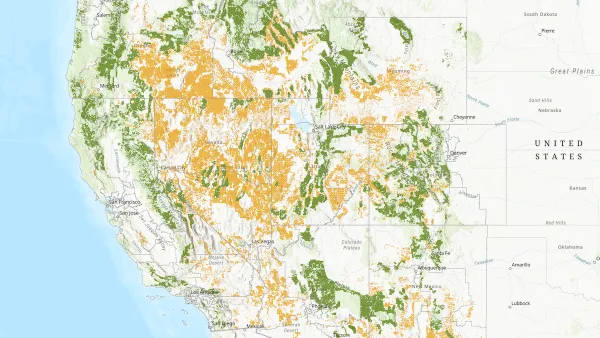
Map: Where Senate Republicans Want to Sell Your Public Lands
For public land advocates, the Senate Republicans’ proposal to sell millions of acres of public land in the West is “the biggest fight of their careers.”
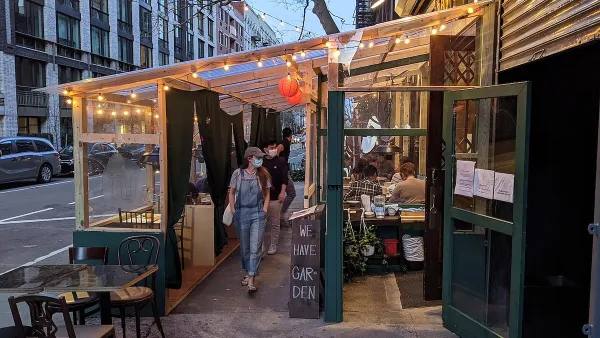
Restaurant Patios Were a Pandemic Win — Why Were They so Hard to Keep?
Social distancing requirements and changes in travel patterns prompted cities to pilot new uses for street and sidewalk space. Then it got complicated.

Platform Pilsner: Vancouver Transit Agency Releases... a Beer?
TransLink will receive a portion of every sale of the four-pack.

Toronto Weighs Cheaper Transit, Parking Hikes for Major Events
Special event rates would take effect during large festivals, sports games and concerts to ‘discourage driving, manage congestion and free up space for transit.”

Berlin to Consider Car-Free Zone Larger Than Manhattan
The area bound by the 22-mile Ringbahn would still allow 12 uses of a private automobile per year per person, and several other exemptions.

Urban Design for Planners 1: Software Tools
This six-course series explores essential urban design concepts using open source software and equips planners with the tools they need to participate fully in the urban design process.
Planning for Universal Design
Learn the tools for implementing Universal Design in planning regulations.

Heyer Gruel & Associates PA
JM Goldson LLC
Custer County Colorado
City of Camden Redevelopment Agency
City of Astoria
Transportation Research & Education Center (TREC) at Portland State University
Camden Redevelopment Agency
City of Claremont
Municipality of Princeton (NJ)