




















An editorial sifts through the differences between Integrated Waste Management and Zero Waste.


"Sheehan and Spiegelman note that the municipal solid waste management system was established a century ago to protect public health but evolved in such a way that it provided an indirect subsidy to the "throwaway society," collecting (at taxpayer expense) all the detritus of the consumer culture and making it "go away." Rather than proselytize ordinary people to recycle more (an IWM habit), Sheehan and Spiegelman instead suggest that corporations and consumers are behaving in a rational way. With no price connection between production and disposal, it's predictable that industry would shift over the past half century toward the manufacture of expedient, disposable products, often made from non-renewable materials and energy. (A disposable plastic razor is a good example, as is a "recyclable" plastic soft-drink container.)"
FULL STORY: Zeroing in on Waste


Planetizen Federal Action Tracker
A weekly monitor of how Trump’s orders and actions are impacting planners and planning in America.
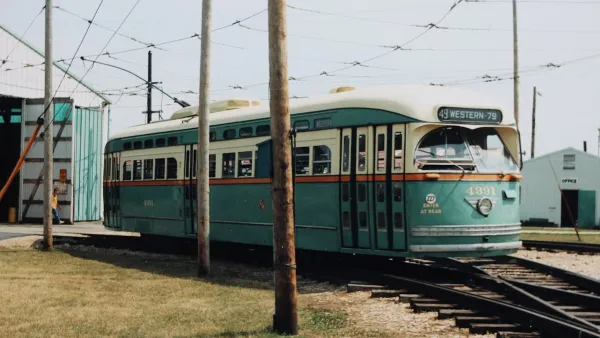
Chicago’s Ghost Rails
Just beneath the surface of the modern city lie the remnants of its expansive early 20th-century streetcar system.
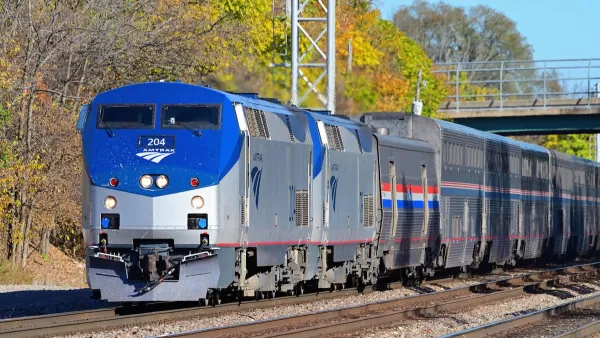
Amtrak Cutting Jobs, Funding to High-Speed Rail
The agency plans to cut 10 percent of its workforce and has confirmed it will not fund new high-speed rail projects.

Ohio Forces Data Centers to Prepay for Power
Utilities are calling on states to hold data center operators responsible for new energy demands to prevent leaving consumers on the hook for their bills.

MARTA CEO Steps Down Amid Citizenship Concerns
MARTA’s board announced Thursday that its chief, who is from Canada, is resigning due to questions about his immigration status.

Silicon Valley ‘Bike Superhighway’ Awarded $14M State Grant
A Caltrans grant brings the 10-mile Central Bikeway project connecting Santa Clara and East San Jose closer to fruition.

Urban Design for Planners 1: Software Tools
This six-course series explores essential urban design concepts using open source software and equips planners with the tools they need to participate fully in the urban design process.
Planning for Universal Design
Learn the tools for implementing Universal Design in planning regulations.

Caltrans
City of Fort Worth
Mpact (founded as Rail~Volution)
City of Camden Redevelopment Agency
City of Astoria
City of Portland
City of Laramie