





















As land becomes more scarce and traffic gets progressively worse, Southern California's transit planners begin to look seriously at underground highways.


"But Los Angeles is in its 18th year as the nation's most congested metropolis, freeways have little or no space for new lanes and traffic experts are running out of time-shaving options.
So civic leaders are joining engineers to consider burrowing the longest highway tunnels in America.
...Three massive projects are under study in Southern California, each dwarfing any of the nation's 337 underground roadways, including the 2.6-mile tunnel in Boston's infamous "Big Dig," the most costly public works project in U.S. history.
...Southern California, with its mountainous terrain, underground aquifers and seismic vulnerabilities, may prove the ultimate testing ground for subterranean highways."
FULL STORY: With Traffic at a Crawl, Planners Talk of Tunnels

Planetizen Federal Action Tracker
A weekly monitor of how Trump’s orders and actions are impacting planners and planning in America.
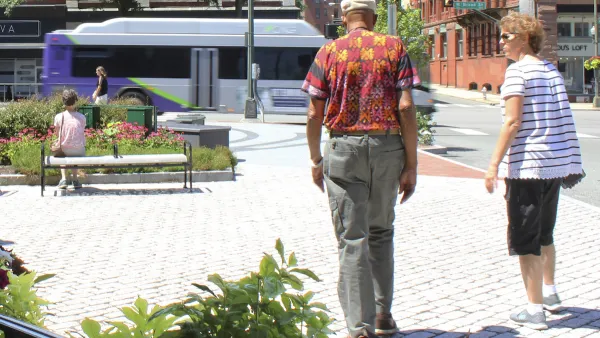
Vehicle-related Deaths Drop 29% in Richmond, VA
The seventh year of the city's Vision Zero strategy also cut the number of people killed in alcohol-related crashes by half.
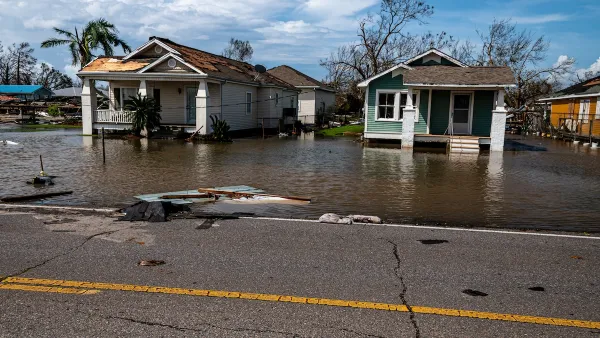
As Trump Phases Out FEMA, Is It Time to Flee the Floodplains?
With less federal funding available for disaster relief efforts, the need to relocate at-risk communities is more urgent than ever.

Berkeley Approves ‘Middle Housing’ Ordinance
The city that invented single-family zoning is finally reckoning with its history of exclusion.

SEPTA Budget Slashes Service by 45 Percent
The Philadelphia-area transit agency is legally tasked with maintaining a balanced budget. Officials hope the state will come to the rescue with additional funding.

Connecticut Governor Vetoes Housing Bill
Gov. Lamont reversed his view on a controversial affordable housing bill that would have required municipalities to zone for set amounts of affordable housing to receive state funding.

Urban Design for Planners 1: Software Tools
This six-course series explores essential urban design concepts using open source software and equips planners with the tools they need to participate fully in the urban design process.
Planning for Universal Design
Learn the tools for implementing Universal Design in planning regulations.

Heyer Gruel & Associates PA
JM Goldson LLC
Custer County Colorado
City of Camden Redevelopment Agency
City of Astoria
Transportation Research & Education Center (TREC) at Portland State University
Camden Redevelopment Agency
City of Claremont
Municipality of Princeton (NJ)