Planning processes
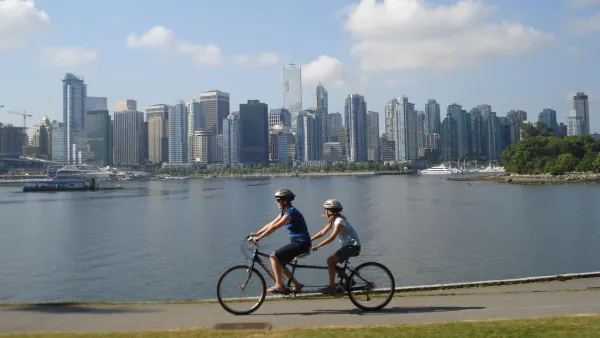
Learning from Vancouver’s Planning Successes
Vancouver’s reputation as a beautiful “mini-Manhattan” is well documented and well earned. But how did the city manage to fend off regrettable fashions in planning over the years, and how prepared is it to continue its success in the future?
Will Planning Happen in the Dark?
Since the passage of The Telecommunications Act of 1996, media activists have been warning that a combination of consolidated corporate ownership of media outlets and a correspondingly intense profit orientation is resulting in diminished diversity of opinion, an avoidance of controversies and loss of choice for media consumers. In particular, they are concerned that remotely-owned newspapers, television and radio stations are incapable of adequately meeting local information needs, reporting on local issues and expressing local concerns.

FREE Course: Walkable City 1: Why Walkability?
After describing his path towards focusing on walkability as the essence of good planning, Jeff Speck marches through his five principal reasons for making more walkable places.
Reinventing Malls: Planning Alchemy—Turning Gray Fields Into Gold
The course focuses on the opportunities and imperatives that shape reinvention of mall sites.

City of Rosemead
Rutgers University, Edward J. Bloustein School of Planning and Public Policy
One Hundred Miles
University of Michigan School for Environment and Sustainability (SEAS)
Hunter College, City University of New York (CUNY)
The Architects Foundation
City of Cambridge
Montrose County
The Pocatello Development Authority









