VMT reduction targets
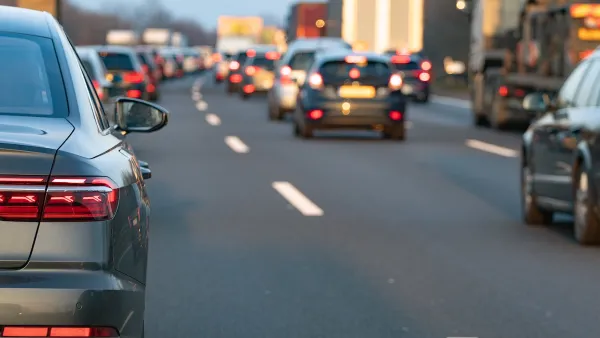
Research Shows More Roads = More Driving
A national study shows, once again, that increasing road supply induces additional vehicle travel, particularly over the long run.
The Risks of Self-Fulfilling Travel Forecasts
Transportation agencies continue to apply predict-and-provide planning which simply extrapolates past trends to predict future needs. It’s time to apply decide-and-provide planning to better achieve community goals.
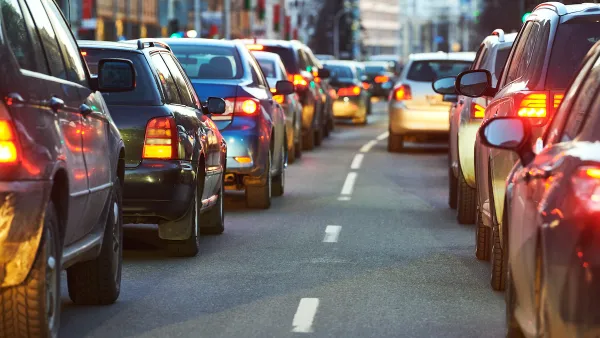
Calculating Vehicle Travel Reduction Benefits
The Rocky Mountain Institute's new Smarter MODES Calculator quantifies economic, social and environmental benefits provided by shifts from automobile travel to more resource-efficient modes. This includes benefits that are often overlooked or undervalued in conventional planning.
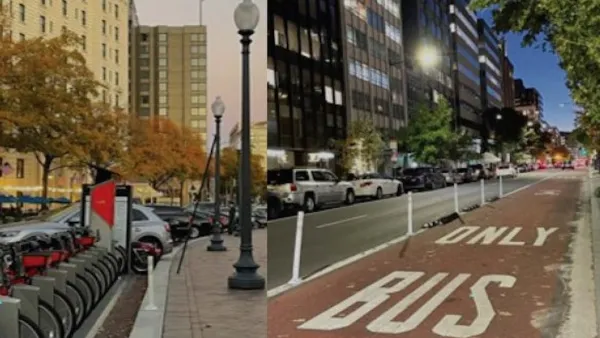
Vehicle Miles Traveled as a Metric for Sustainability
Motor vehicle travel benefits users but also imposes large economic, social, and environmental costs. With better planning, our needs can be met with less vehicle travel. A new ITE report describes why and how to optimize the amount we drive.

FREE Course: Walkable City 1: Why Walkability?
After describing his path towards focusing on walkability as the essence of good planning, Jeff Speck marches through his five principal reasons for making more walkable places.
Reinventing Malls: Planning Alchemy—Turning Gray Fields Into Gold
The course focuses on the opportunities and imperatives that shape reinvention of mall sites.

City of Rosemead
Rutgers University, Edward J. Bloustein School of Planning and Public Policy
One Hundred Miles
University of Michigan School for Environment and Sustainability (SEAS)
Hunter College, City University of New York (CUNY)
The Architects Foundation
City of Cambridge
Montrose County
The Pocatello Development Authority









