Donald Appleyard
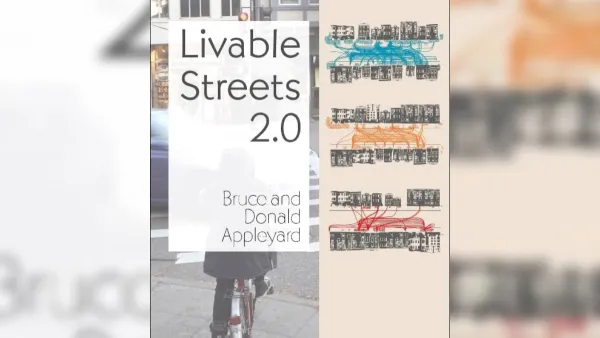
A Classic Revived, and More Important Than Ever
In “Livable Streets 2.0.” Donald Appleyard’s son, Bruce Appleyard, builds on his father’s seminal work and examines what it means today in an age of autonomous vehicles, modern policing technology, “20 is Plenty” and more.
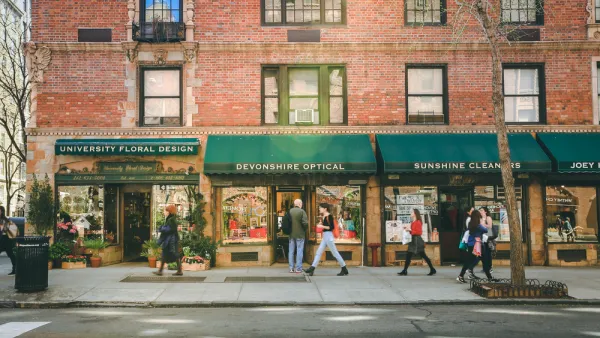
Livable Streets, Revisited
The updated version of Donald Appleyard’s 1982 book Livable Streets, written by Appleyard's son, dives even deeper into the ‘ecology of the street,’ proposing actionable solutions for the conflicts and problems facing urban environments today.
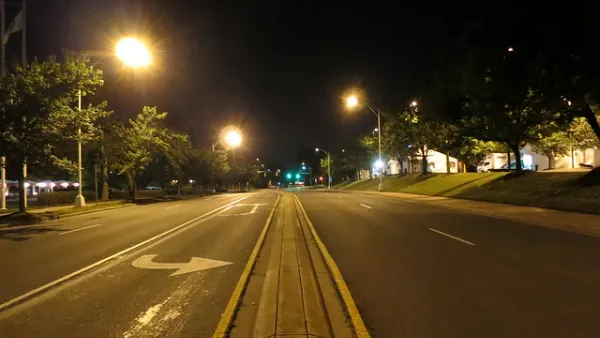
Study: Bad Arterials Poison Good Residential Streets
It's something we feel intuitively: poorly-designed arterial roads make for less comfortable neighborhoods. That remains the case even if the adjoining residential streets are quiet and safe.

FREE Course: Walkable City 1: Why Walkability?
After describing his path towards focusing on walkability as the essence of good planning, Jeff Speck marches through his five principal reasons for making more walkable places.
Reinventing Malls: Planning Alchemy—Turning Gray Fields Into Gold
The course focuses on the opportunities and imperatives that shape reinvention of mall sites.

City of Rosemead
Rutgers University, Edward J. Bloustein School of Planning and Public Policy
One Hundred Miles
Hunter College, City University of New York (CUNY)
The Architects Foundation
University of Cincinnati Online
City of Cambridge
Montrose County
The Pocatello Development Authority









