Hazardous Waste
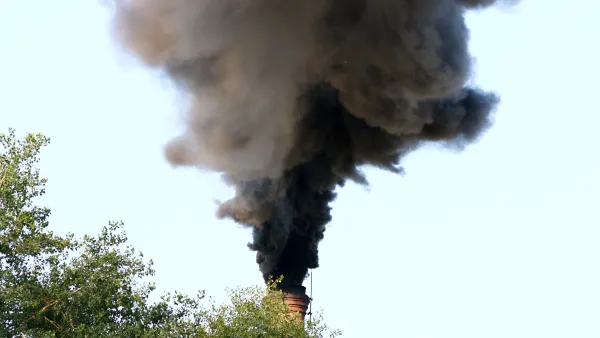
‘Ground-Breaking’ Settlement Reached in Detroit Environmental Justice Case
Civil rights activists celebrate a legal settlement that will require the state of Michigan to prevent hazardous waste and other industrial facilities from disproportionately polluting lower income and predominantly Black and brown communities.
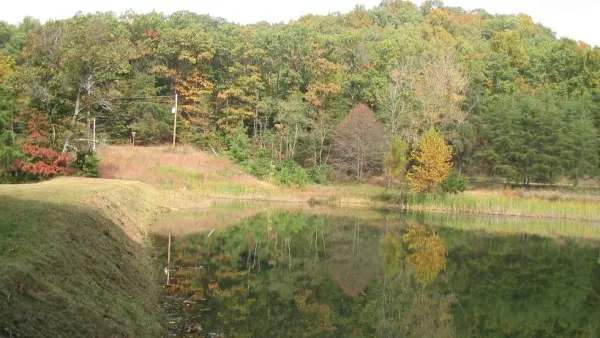
Louisville Begins Process to Clean Superfund Site
A public forest is home to dozens of barrels that have been leaking toxic materials for decades.

EPA Relaxes Environmental Rules, Cites Coronavirus
During the outbreak, the agency will allow companies to monitor themselves for pollution violations.
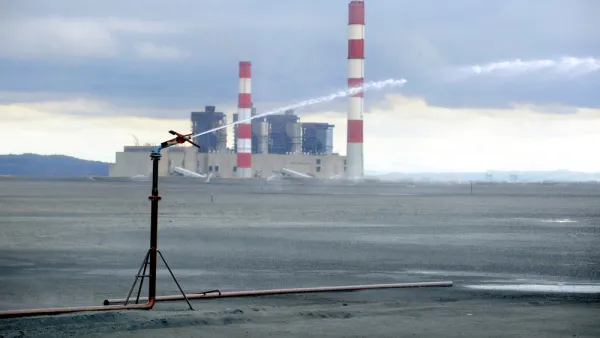
North Carolina County Reluctantly Accepts Toxic Coal Ash Stockpile for $19 Million
Chatham County, North Carolina agreed to not oppose a planned coal ash landfill in exchange for $19 Million from Duke Energy, which would help fund environmental monitoring and disaster insurance.
Coal Ash Finally Regulated—But Not as Hazardous Waste
Six years after one of the worst environmental disasters in U.S. history, the EPA adopted a rule to regulate a byproduct of coal power plants. The new regulation puts coal ash in the same category as household garbage, disappointing many activists.

FREE Course: Walkable City 1: Why Walkability?
After describing his path towards focusing on walkability as the essence of good planning, Jeff Speck marches through his five principal reasons for making more walkable places.
Reinventing Malls: Planning Alchemy—Turning Gray Fields Into Gold
The course focuses on the opportunities and imperatives that shape reinvention of mall sites.

City of Rosemead
Rutgers University, Edward J. Bloustein School of Planning and Public Policy
One Hundred Miles
University of Michigan School for Environment and Sustainability (SEAS)
Hunter College, City University of New York (CUNY)
The Architects Foundation
City of Cambridge
Montrose County
The Pocatello Development Authority









