Sunlight
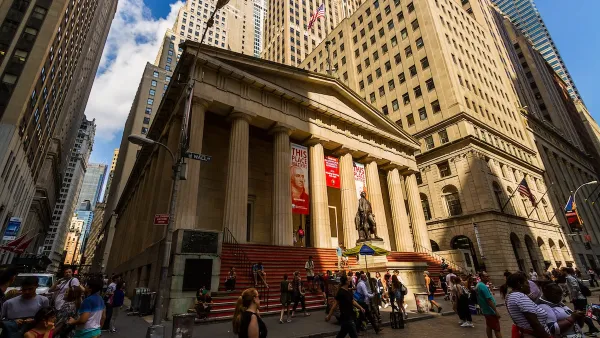
On the Tradeoffs Between Sunlight and Walkability
There are five kinds of streets in this world.
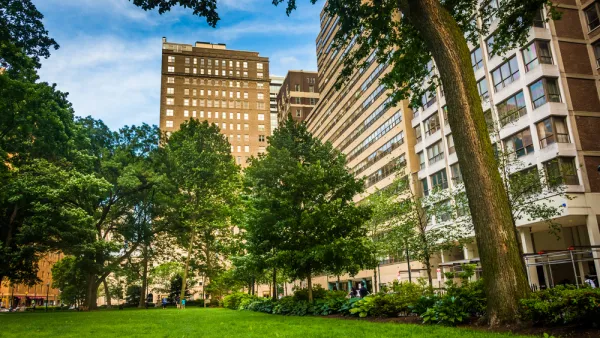
Sun and Parks
Some people fear tall buildings near parks, asserting that such buildings will reduce sunlight. But because many parks are a block or more wide, this impact is likely to be minimal.
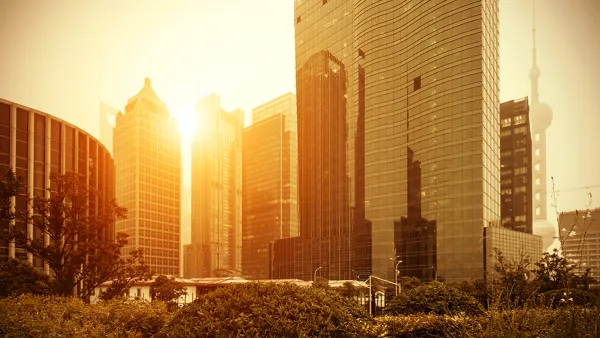
The Sun Also Hides Behind Skyscrapers
The Washington Post details the concern over the shadows cast by skyscrapers on the city street below. The latest high-profile case study of the ability of skyscrapers to block the sun: New York's Midtown.
Designing the Shadow-less Skyscraper
Architects at NBBJ in London have designed a building—two buildings rather—that work together to cancel out the shadows they cast.
The Sunlight Myth
Tall buildings and sunlight can amicably coexist- sometimes.
Do Tall Cities Require the Regulation of Sunlight?
Planners, lawyers and homeowners have been arguing the question of "solar rights" for two millennia. A recent article presents a primer on the historic and contemporary importance of the debate.
As Developers Reach for the Sky, New Yorkers Lose Their Access to the Sun
While much attention has been paid to the stunning views that NYC's new skyscrapers offer their affluent tenants, the effects on those left in their shadow are rarely discussed.

FREE Course: Walkable City 1: Why Walkability?
After describing his path towards focusing on walkability as the essence of good planning, Jeff Speck marches through his five principal reasons for making more walkable places.
Reinventing Malls: Planning Alchemy—Turning Gray Fields Into Gold
The course focuses on the opportunities and imperatives that shape reinvention of mall sites.

City of Rosemead
Rutgers University, Edward J. Bloustein School of Planning and Public Policy
One Hundred Miles
Hunter College, City University of New York (CUNY)
The Architects Foundation
University of Cincinnati Online
City of Cambridge
Montrose County
The Pocatello Development Authority









