Yards
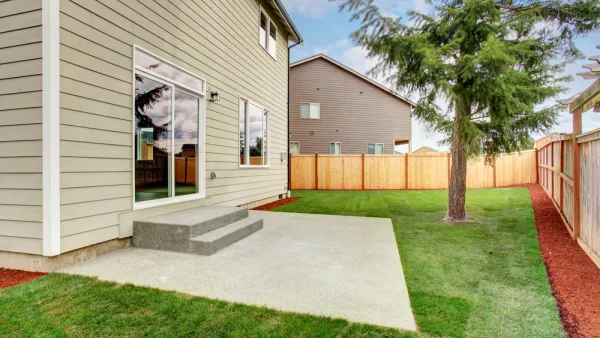
Yards Slim Down as House Size Grows
As the footprints of the average suburban home grows and lot sizes shrink, the traditional sprawling yard is getting squeezed out.
The Enduring Allure of the Single-Family Home
Another of those highly-cited surveys of the living preferences of Americans is out and it finds support for (somewhat contradictory) elements of both smart growth and suburban development patterns.
Should Cities Mandate Yards?
In communities across the U.S., setback requirements and lot coverage maximums mandate acres of private open spaces. Eliminating such requirements could produce more affordable and more eco-friendly places, argues Matthew Yglesias.
New Research: Lawns Aren't Green
Lawns - long known to be the main culprit in urban water consumption, now can be blamed for another environmental woe - greenhouse gas producer in excess of whatever carbon it 'sinks'. The gas is nitrous oxide - 300 times more potent than CO2.
The Wildflower Wars
A dazzling wildflower season spells trouble for master-planned communities across the West.

FREE Course: Walkable City 1: Why Walkability?
After describing his path towards focusing on walkability as the essence of good planning, Jeff Speck marches through his five principal reasons for making more walkable places.
Reinventing Malls: Planning Alchemy—Turning Gray Fields Into Gold
The course focuses on the opportunities and imperatives that shape reinvention of mall sites.

City of Charlotte
City of Rosemead
Rutgers University, Edward J. Bloustein School of Planning and Public Policy
University of Michigan School for Environment and Sustainability (SEAS)
Hunter College, City University of New York (CUNY)
The Architects Foundation
University District Partnership









