SCI-Arc
Master of Science in Synthetic Landscapes
Climate change has erased the line between the built environment and the natural world. Rivers run through concrete channels, wildfire reshapes the edges of cities, and agricultural land is managed as closely as any urban district. SCI-Arc's Master of Science in Synthetic Landscapes is built for this reality. It prepares designers to work at the intersection of architecture, urbanism, ecology, and landscape, where the environments we live in are increasingly engineered, managed, and altered.
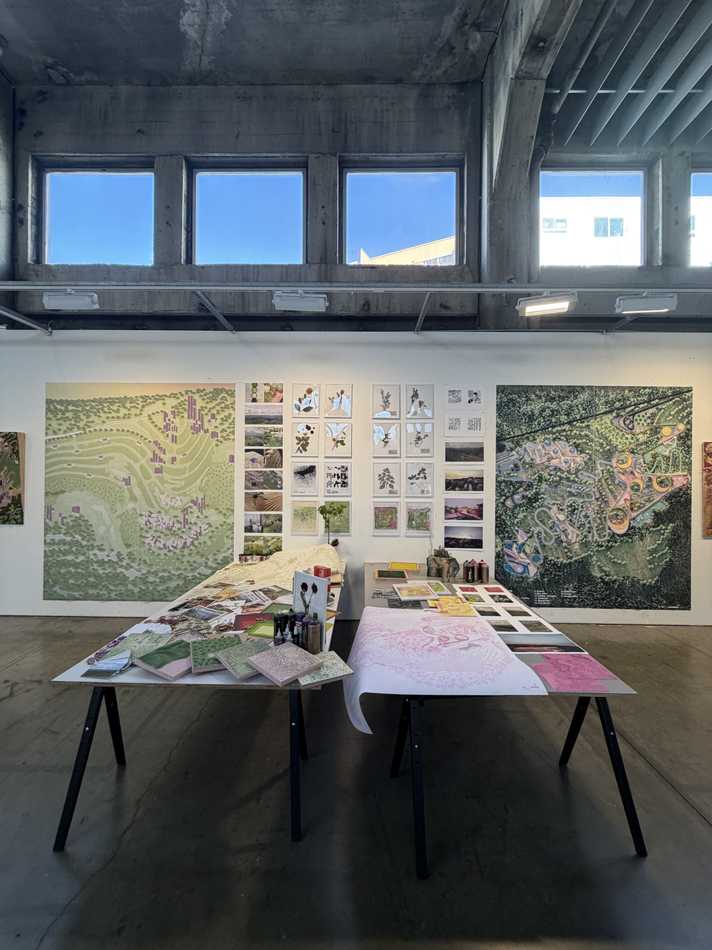
The program is an intensive one-year, three-semester postgraduate degree (fall, spring, and summer). Rather than treating nature as something to preserve or restore to an idealized past, Synthetic Landscapes studies how natural and artificial systems now evolve together. It asks how designers can shape that relationship to support resilient, livable places for the future.
A Curriculum Grounded in Place
Los Angeles and the surrounding region serve as the program's laboratory.
- Urban landscapes: Students begin with urban systems, using sites such as the Los Angeles River Basin to examine how infrastructure, policy, and environment shape one another.
- Rural ecologies: The focus then moves to California's rural landscapes, including fieldwork in Joshua Tree and agricultural regions, to understand how these territories function and are managed.
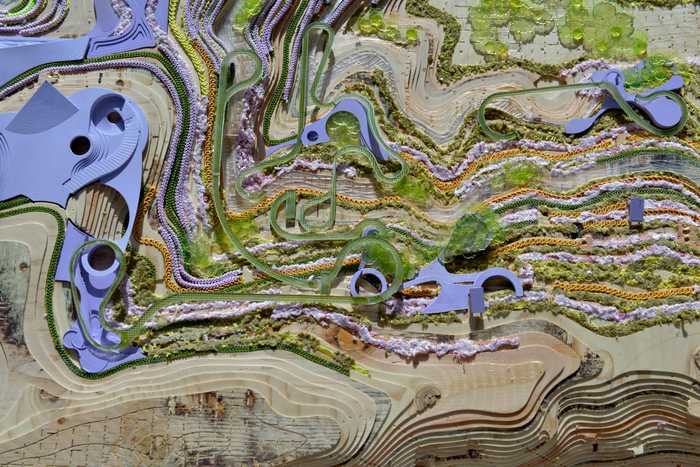
- Technology and prototyping: The final semester turns to fabrication and experimentation. Students use SCI-Arc's robotics, CNC machining, and digital modeling resources to develop tangible landscape proposals.
Field study is central throughout. Students engage directly with research sites such as the Getty Center and the California Botanic Garden, testing ideas against real ecological conditions.
Skills for a Changing Practice
Graduates build expertise in:
- Ecological systems design and climate adaptation strategies
- Cross-scalar thinking, from individual sites to regional infrastructure
- Computational research and advanced visualization
- Interdisciplinary collaboration and critical analysis of complex environmental conditions
These skills position graduates to contribute to landscape architecture, urban design, environmental consulting, public agencies, and research. They are suited to any setting where planning, infrastructure, and ecology must be considered together.
Who Should Apply
Applicants must hold a bachelor's degree. Priority is given to candidates with backgrounds in architecture, landscape architecture, and related fields. The program welcomes designers and planners who want to expand their practice into ecological design and climate-responsive landscapes.
About SCI-Arc
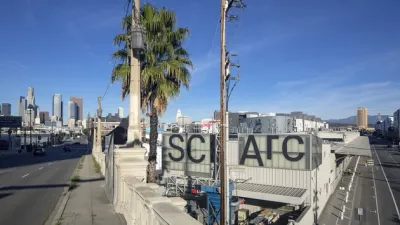
Founded in 1972 and located in Los Angeles's Arts District, SCI-Arc is an independent, accredited school of architecture known for experimentation and design innovation. Synthetic Landscapes is offered through SCI-Arc's postgraduate programs, giving students access to the school's faculty, fabrication facilities, and the city as a living case study.
Learn more: sciarc.edu/academics/postgraduate/synthetic-landscapes
Other programs at this university
Find More Programs

SCI-Arc
960 E. 3rd Street
Los Angeles, CA 90013
US
Western Association of Schools And Colleges
Other programs at this university
Find More Programs
SCI-Arc
960 E. 3rd Street
Los Angeles, CA 90013
US
Western Association of Schools And Colleges