It's hard to get urban redevelopment right. Headlines are dominated by rising costs, gentrification concerns, and not-in-my-backyard blockading. Let's talk about a way to work toward more inclusive redevelopment.


Last week, a ragtag crew of artists, dancers, musicians, and food truckers (?), descended on Tallahassee’s Southside. They gathered at a small, abandoned gas station to celebrate the intersection of community and art (disclaimer: I’m a member of the investment group that owns the property). It was the sort of night you don’t soon forget, and it spurred me to reflect on a few things about what I view as the noble and necessary, but dammit-if-it-isn’t-a-moral-minefield, pursuit of urban redevelopment. So join me as I descend into the quagmire.
Read the full story: Redevelopment for the Rest of Us: When in Doubt, Bring People Together

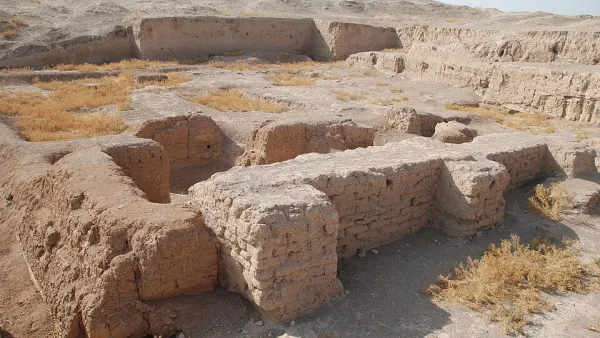
Urbanism before the plan
Some of the first cities emerged without rulers or blueprints. Planners are now trying to recover what that process does well.
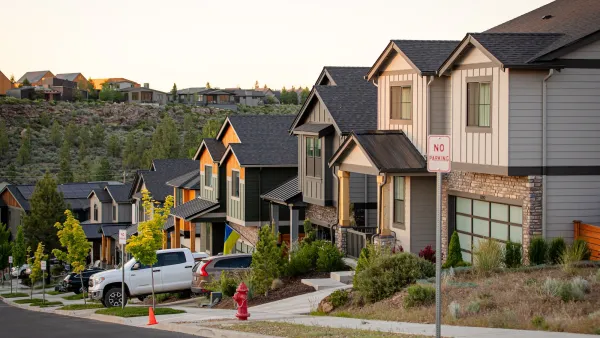
Oregon cities are excluding a key tool that could help their housing goals: maps
An effort to use geospatial analysis to understand how housing and access to opportunity are distributed in Oregon cities has largely stalled.
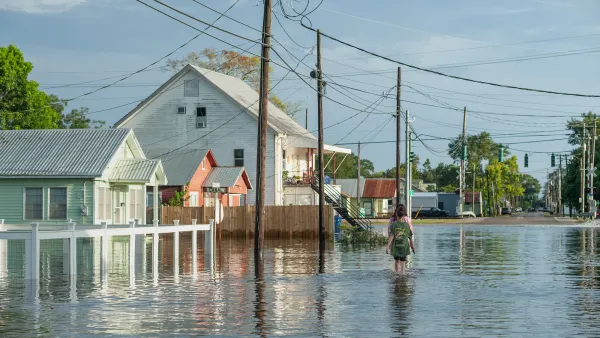
Study: Historically redlined neighborhoods face higher risk of extreme flooding
A new study indicates that structural disinvestment can translate into serious risk for vulnerable communities.

Planetizen Federal Action Tracker
A weekly monitor of how Trump’s orders and actions are impacting planners and planning in America.

Amtrak, CN end decades-long dispute with eight-year agreement
The new operating agreement establishes an updated framework for the companies to work together, including processes to resolve disputes.

Judges permit Denver to divert 77,000 acre feet from the Colorado River for reservoir expansion
Overuse and climate change have caused the Colorado River’s water levels to plummet.

Boston has spent millions making the Green Line more accessible — and there’s no end in sight
While the city has invested millions into expanding and adding platforms to the Green Line to make it more accessible, new train cars set to arrive next year will be too tall for disabled passengers to board without raising the current platforms.

Idaho may see an 18% drop in federal surface transit funding — the largest estimated cut in the US
Transit systems in rural communities are much more reliant on federal funding to provide their services.

How ‘post-disaster gentrification’ alters neighborhoods after natural calamities
After hurricanes, fires or other calamities, the original residents of a community are often replaced by younger, wealthier residents.

FREE Course: Walkable City 1: Why Walkability?
After describing his path towards focusing on walkability as the essence of good planning, Jeff Speck marches through his five principal reasons for making more walkable places.
Reinventing Malls: Planning Alchemy—Turning Gray Fields Into Gold
The course focuses on the opportunities and imperatives that shape reinvention of mall sites.

Harvard University Graduate School of Design
KFH Group Inc.
Greater Baltimore Committee
The Architects Foundation
University of Cincinnati Online
The Pocatello Development Authority
The Urban Renewal Agency of the City of Pocatello