The False Creek Shoreline in northeast Vancouver has been slated for decades for significant commercial development. Today, planners proposed taking the area in a new direction.


"Their report, which goes to council today, calls for two-decade-old plans for strictly commercial development of the area -- the last major undeveloped piece of False Creek shoreline -- to be abandoned.
Instead, it proposes a mix of residential development -- four million square feet to house about 7,200 people -- along with recreational space, entertainment venues and commercial space that could include hotels, retail, and even a casino.
The city launched a land-use review after coming under pressure from land owners in the area -- which stretches from the Cambie Street Bridge to Quebec Street -- including Concord Pacific and other major developers, to zone it for housing.
The provincial government added to the pressure by announcing plans last year to upgrade BC Place Stadium and the surrounding area, prompting developers to ask for clarification of future land-use policies."
Read the full story: Planners shift stance on False Creek shoreline

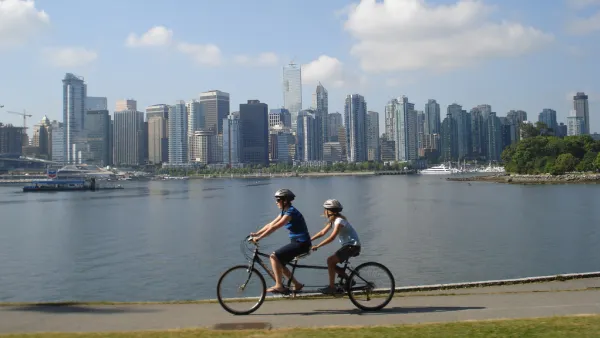
Overcoming Density Opponents by Listening to Them
Urbanist Brent Toderian does not begrudge NIMBYs; he values them. In an interview with David Roberts of Vox, he explains that the problem doesn't lie with development opponents as much as it does with the decision-makers.
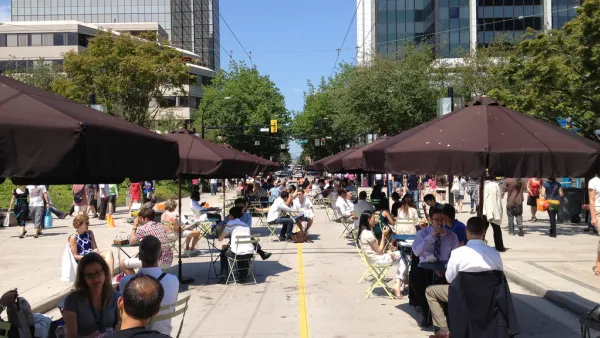
What Can Vancouver Teach Melbourne?
Melbourne has topped numerous global lists for its quality of life, but it certainly has room to improve. Former Vancouver Planning Director Brent Toderian sees lessons from his hometown for the world class city down under.
Exclusive: Abrupt Changing of the Guard at Vancouver Planning Department
In a surprise move this week, Vancouver's city council abruptly relieved its high-profile Planning Director, Brent Toderian, of his duties, after six years on the job. Planetizen has spoken with the former director about what transpired.

Planetizen Federal Action Tracker
A weekly monitor of how Trump’s orders and actions are impacting planners and planning in America.

‘Going backwards:’ Baltimore mayor, students rally against state's transit funding plan
Maryland's proposed six-year plan provides no funding for Baltimore’s BMORE bus program and reduces its road maintenance funding.
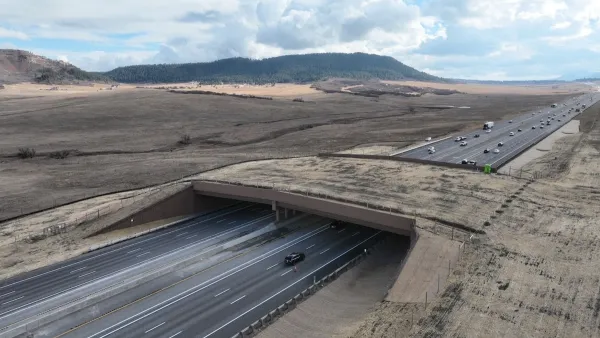
Record-breaking wildlife overpass in Colorado brings 91% reduction in animal collisions
Prior to the overpass, vehicles were hitting one deer per day on Colorado’s Interstate 25.

Mamdani sent nearly 6,000 pied-à-terre tax warnings to homes that didn’t qualify
A judge has ordered the administration to cancel thousands of pied-à-terre tax notices after it sent 35% of them erroneously.

Detroit to transform waterfront with $2.2 billion investment
Developers will convert about 18 acres of unused parking lot space into civic spaces.

‘Going backwards:’ Baltimore mayor, students rally against state's transit funding plan
Maryland's proposed six-year plan provides no funding for Baltimore’s BMORE bus program and reduces its road maintenance funding.

FREE Course: Walkable City 1: Why Walkability?
After describing his path towards focusing on walkability as the essence of good planning, Jeff Speck marches through his five principal reasons for making more walkable places.
Reinventing Malls: Planning Alchemy—Turning Gray Fields Into Gold
The course focuses on the opportunities and imperatives that shape reinvention of mall sites.

City of Thousand Oaks
City of Wisconsin Rapids
Harvard University Graduate School of Design
The Architects Foundation
University of Cincinnati Online
Northern Illinois Transit Authority (NITA)
The Pocatello Development Authority
The Urban Renewal Agency of the City of Pocatello