University of Maryland researchers will conduct a series of visioning exercises to pick locations for future jobs and housing by placing Legos building blocks on a map. It's the latest trend in growth visioning exercises.


Based on the popular "Reality Check" concept created by the Urban Land Institute, Los Angeles' 'Reality Check on Growth' exercise, University of Maryland researchers challenge Marylanders to plan for the state's growth.
"With a recent poll showing many residents upset about the pace of growth in their communities, sprawl critics are joining with their frequent foes, developers, and with University of Maryland researchers for a bit of game-playing aimed at turning public discontent into a broad consensus on how -- and where -- the state should grow over the next 25 years.
...The latest in a series of growth-imagining exercises held in such burgeoning metropolises as Los Angeles and Washington, Reality Check Plus aims to get people who are often at odds over individual development projects to agree on blueprints for growth for their regions - and for the state as a whole."
Thanks to John W. Frece
Read the full story: Building a vision for growth in Md.


Planetizen Federal Action Tracker
A weekly monitor of how Trump’s orders and actions are impacting planners and planning in America.

Data reveals that NYC’s bet on congestion pricing has paid off
After almost two years of the program, reports show positive impacts on traffic and air quality and no disruptions to parking.
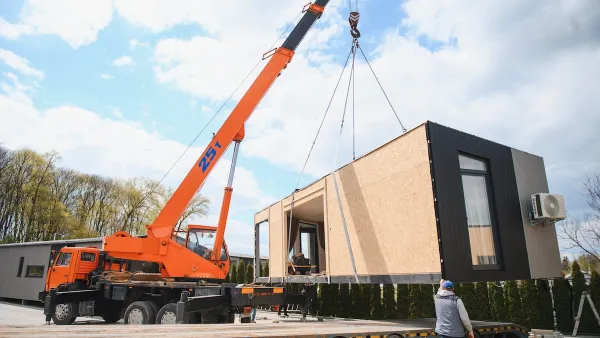
HUD modernizes 50-year-old manufactured housing framework
The Next Generation Manufactured Housing Action Plan establishes new energy-efficiency standards for manufactured homes, and new guidelines for anchoring them.

Texas suburbs are popping up around old oil wells. Some are starting to leak
Several plugged wells in Texas have failed in recent years, endangering those who unknowingly settled nearby.

This Chicago neighborhood is using planning to increase life expectancy
The Garfield Park Quality-Of-Life Plan aims to bring residents everything from easier access to fresh food to revitalized commercial corridors.

Boston connects suburbs to the city with 5 free bus routes
The city will launch the new routes in 2027, and offer them for at least three years.

FREE Course: Walkable City 1: Why Walkability?
After describing his path towards focusing on walkability as the essence of good planning, Jeff Speck marches through his five principal reasons for making more walkable places.
Reinventing Malls: Planning Alchemy—Turning Gray Fields Into Gold
The course focuses on the opportunities and imperatives that shape reinvention of mall sites.

Rutgers University, Edward J. Bloustein School of Planning and Public Policy
One Hundred Miles
County of Mendocino
The Architects Foundation
University of Cincinnati Online
Montrose County
Northern Illinois Transit Authority (NITA)
The Pocatello Development Authority