The city’s affordable housing stock is rapidly disappearing.



A report from the nonprofit Child Poverty Action Lab reveals that housing costs are becoming more unaffordable for Dallas residents, reports Joshua Fechter in The Texas Tribune.
“The city, the report found, faces a deep shortage of rental homes affordable to families making 50% of the area median income, $52,000 for a family of four, or less — and that shortage has grown at a blistering clip.” Dallas is short roughly 46,000 rental homes for households at or below that income level as of 2023, the report adds.
In other words, for every 100 households at the middle income level, Dallas has only 60 rental units they can afford. “Half of the city’s renters were considered “cost-burdened” in 2023, meaning they spend more than 30% of their income on keeping a roof over their heads.”
The report notes that the supply of units that rent for below $1,000 per month has “evaporated,” with the city losing 51,000 of those homes between 2021 and 2023. While the city added 8,400 new apartments in 2024, homebuilding has slowed in the region.
FULL STORY: Dallas’ affordable housing supply is evaporating, report finds

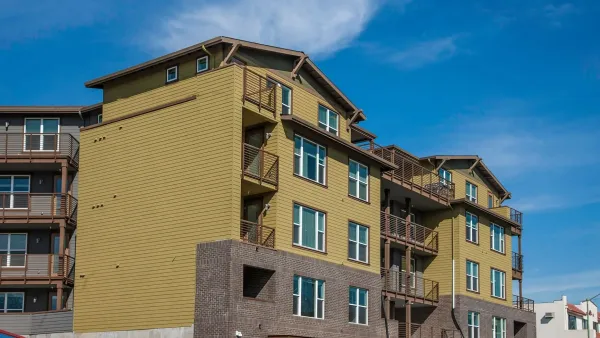
Oakland opens first affordable housing for teachers
The school district says 70% of its teachers can't afford to live in Oakland.
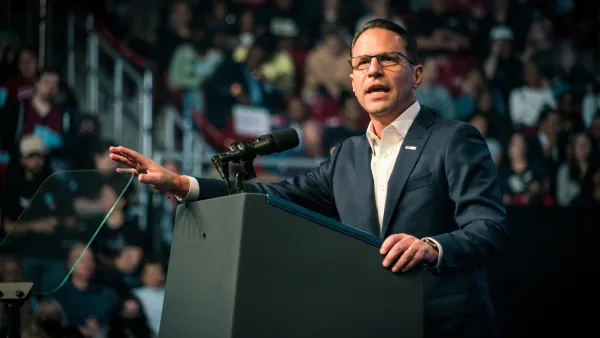
Pennsylvania Housing Action Plan Calls for $1B Fund, Expanded Renter Protections, Homebuyer Assistance
Gov. Shapiro’s proposed plan would bolster support for renters and homebuyers and reduce barriers to housing development.

Senate Passes Major Housing Bill During Shutdown
The ROAD to Housing Act is a broad-ranging plan aimed at streamlining housing production and increasing affordability.

Planetizen Federal Action Tracker
A weekly monitor of how Trump’s orders and actions are impacting planners and planning in America.

The state-sanctioned urbicide of Austin
People don’t kill cities. Freeways do.

US to reduce Colorado River water deliveries to Mexico
A new Colorado Treaty amendment reduces Mexico’s Colorado River water allocation by 250,000 acre feet.

5 New England states march closer to 800 megawatt wind energy project
Securing federal approval for the project may be complicated under the Trump administration, which has historically been hostile towards domestic wind power.

Baltimore to break ground on $50 million Transit Priority Project
The project will bring faster bus trips, safer streets and better bike connections to Baltimore.

Airbnb launches $250 million 'last-dollar financing' housing accelerator, makes first investment in Austin
The company will put $6.4 million towards affordable housing development in Texas’ capital.

FREE Course: Walkable City 1: Why Walkability?
After describing his path towards focusing on walkability as the essence of good planning, Jeff Speck marches through his five principal reasons for making more walkable places.
Reinventing Malls: Planning Alchemy—Turning Gray Fields Into Gold
The course focuses on the opportunities and imperatives that shape reinvention of mall sites.

Eagle County Government
Harvard University Graduate School of Design
Nashville Planning Department
The Architects Foundation
University of Cincinnati Online
The Pocatello Development Authority
The Urban Renewal Agency of the City of Pocatello
Journal of the American Planning Association