Unsheltered homelessness rose by 16 percent in 2025 despite the city’s previous success in reducing the number of people living on the streets.


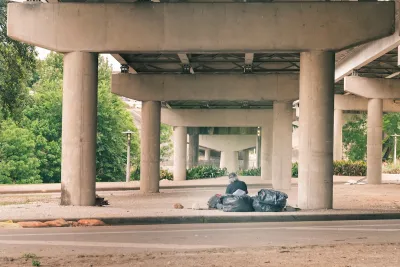
Unsheltered homelessness in Houston grew by 16 percent this year, writes Ryan Kushner in Smart Cities Dive, reversing the city’s success in reducing homelessness over the past several years.
“The proportion of unsheltered people experiencing chronic homelessness — defined most commonly as people with disabilities who have been living on the street for more than a year — increased to 44%, compared with 29% in 2024,” according to data from the Coalition for the Homeless of Houston/Harris County. CFTH attributes the rise in unsheltered homelessness to a reduction in available shelter beds and the loss of Covid-19 funding.
Previously, the city had reduced homelessness by 16 percent since 2020 through Housing First policies — “a stark contrast to the U.S. as a whole, which recorded record highs in homelessness in 2024.”
According to Kusher, “Houston Mayor John Whitmire has pledged to end street homelessness in the city. In February, Houston launched the Initiative to End Street Homelessness Fund, seeking a $70 million investment from public and private institutions. As of May, the fund remained $40 million short of its goal.”
FULL STORY: Houston had outpaced the nation in addressing homelessness. Now it’s facing a setback.

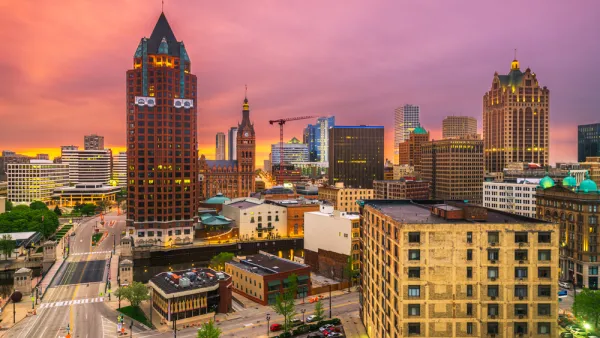
A Decade of Progress on Homelessness in Milwaukee County
Unlike most U.S. communities, Milwaukee County has managed to make significant progress toward assisting unhoused residents through a Housing First approach.
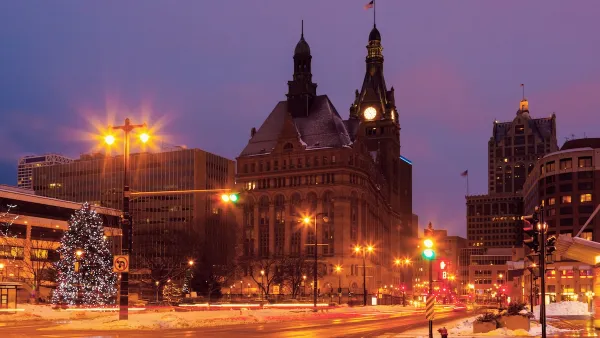
Milwaukee Homelessness Dropped in 2024
Bucking national trends, Milwaukee reduced homelessness in 2024 through Housing First policies and supportive services, but local advocates warn high housing costs will likely lead to an increase in the unhoused population in the coming year.

Houston Cut Chronic Homelessness by 60 Percent; Can It Do More?
Local housing advocates called for a commitment to bring the number of chronically unhoused people to zero.

Planetizen Federal Action Tracker
A weekly monitor of how Trump’s orders and actions are impacting planners and planning in America.

The state-sanctioned urbicide of Austin
People don’t kill cities. Freeways do.

US to reduce Colorado River water deliveries to Mexico
A new Colorado Treaty amendment reduces Mexico’s Colorado River water allocation by 250,000 acre feet.

5 New England states march closer to 800 megawatt wind energy project
Securing federal approval for the project may be complicated under the Trump administration, which has historically been hostile towards domestic wind power.

Baltimore to break ground on $50 million Transit Priority Project
The project will bring faster bus trips, safer streets and better bike connections to Baltimore.

Airbnb launches $250 million 'last-dollar financing' housing accelerator, makes first investment in Austin
The company will put $6.4 million towards affordable housing development in Texas’ capital.

FREE Course: Walkable City 1: Why Walkability?
After describing his path towards focusing on walkability as the essence of good planning, Jeff Speck marches through his five principal reasons for making more walkable places.
Reinventing Malls: Planning Alchemy—Turning Gray Fields Into Gold
The course focuses on the opportunities and imperatives that shape reinvention of mall sites.

Eagle County Government
Harvard University Graduate School of Design
Nashville Planning Department
The Architects Foundation
University of Cincinnati Online
The Pocatello Development Authority
The Urban Renewal Agency of the City of Pocatello
Journal of the American Planning Association