An investigation reveals the center, set to be one of the largest in the country and where residents have been put on water conservation restrictions, owes nearly $150,000.


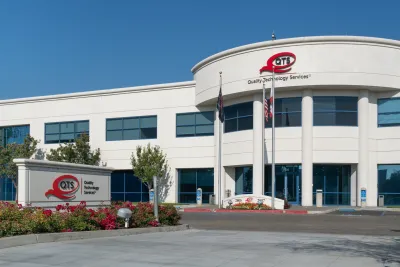
Next time your water pressure is unusually low, double check it hasn't been guzzled by a nearby data center shirking its duties. That's what happened to residents of a subdivision in Fayetteville, Georgia, where county officials discovered "two industrial-scale water hookups" serving a nearby Quality Technology Services data center campus.
"Officials reportedly determined one hookup had been connected without notice to the water utility, and the other, which had been left off the QTS company account, was not being billed," reports Yahoo! News. "In a 2025 letter to QTS, the county said the company owed $147,474 for more than 29 million gallons of water. According to Politico, the utility director estimated roughly four months of unpaid use, while QTS put the span at about nine to 15 months."
The site spans 615 acres and is set to expand to up to 16 buildings, making it one of the largest U.S. data center projects.
Read the full story below.
FULL STORY: Data center drained 30 million gallons of water without reporting or paying for it, investigation reveals

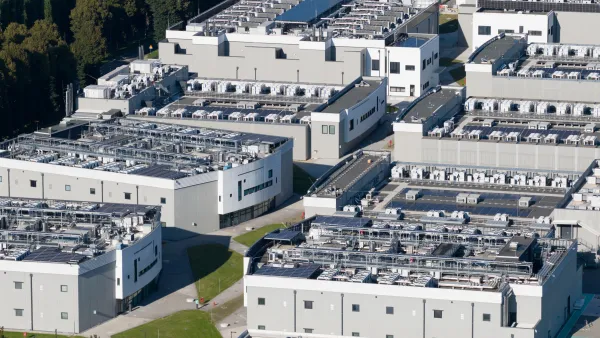
New house bill proposes taxing data centers based on electricity usage
Revenue from the bill would evenly fund five different federal projects.
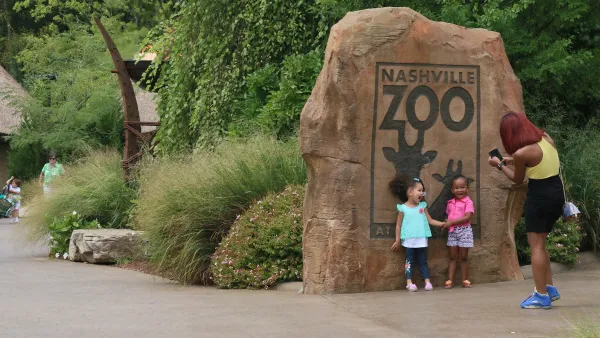
Sheryl Crow, country stars fight data center proposal near Nashville zoo
Opponents of the data center plan say it could have disruptive noise and pollution impacts on sensitive zoo animals.

Utah fights data center twice the size of Manhattan
Billionaire Kevin O'Leary wants to build a 40,000 acre data center campus next to the dwindling Great Salt Lake.

Planetizen Federal Action Tracker
A weekly monitor of how Trump’s orders and actions are impacting planners and planning in America.

The state-sanctioned urbicide of Austin
People don’t kill cities. Freeways do.

US to reduce Colorado River water deliveries to Mexico
A new Colorado Treaty amendment reduces Mexico’s Colorado River water allocation by 250,000 acre feet.

Baltimore to break ground on $50 million Transit Priority Project
The project will bring faster bus trips, safer streets and better bike connections to Baltimore.

Airbnb launches $250 million 'last-dollar financing' housing accelerator, makes first investment in Austin
The company will put $6.4 million towards affordable housing development in Texas’ capital.

Guerilla urbanists are building DIY bus stop benches in Chicago
A before-and-after of one of the bus stops with a new bench. The new benches are not officially sanctioned or permitted, but the residents who placed them hope they will be the start of a network of DIY benches across the city.

FREE Course: Walkable City 1: Why Walkability?
After describing his path towards focusing on walkability as the essence of good planning, Jeff Speck marches through his five principal reasons for making more walkable places.
Reinventing Malls: Planning Alchemy—Turning Gray Fields Into Gold
The course focuses on the opportunities and imperatives that shape reinvention of mall sites.

Eagle County Government
Harvard University Graduate School of Design
Nashville Planning Department
The Architects Foundation
University of Cincinnati Online
The Pocatello Development Authority
The Urban Renewal Agency of the City of Pocatello
Journal of the American Planning Association